

Eel Kabayaki Is Defined by Its Cut, Glaze, and Serving Style
A glossy eel fillet rests over warm rice, its sauce catching the light before the aroma reaches the table. The first bite is soft, rich, and deeply savory. But what gives this familiar dish its character, and why does the cut matter so much? For foodservice buyers and curious home cooks, the answer starts with the preparation—not the garnish.
What Is Eel Kabayaki?
Kabayaki is a Japanese preparation in which eel is opened, cleaned, filleted, grilled, and coated with a sweet-savory sauce. The finished product is often called Japanese glazed eel. On many menus, it appears as unagi kabayaki, particularly when served with rice.
The term describes a cooking style rather than simply meaning “eel with sauce.” The fish is prepared in a specific form, cooked until tender, and brushed repeatedly with glaze to create a smooth, aromatic finish. Together, these elements give kabayaki-style eel its recognizable appearance and flavor.
For international buyers, this distinction is useful when comparing products. A whole freshwater eel, a plain grilled fillet, and a frozen finished kabayaki item may fall within the same broad category, yet each serves a different kitchen need. Kabayaki is designed with portioning, reheating, presentation, and sauce balance in mind.
The characteristic cut
The eel is generally opened and made into a boneless fillet before grilling. The central bone and smaller bones are removed during preparation, creating a long, flat piece that cooks evenly and can be portioned for rice bowls, sushi applications, bento meals, or plated dishes.
The cut also shapes the eating experience. A thicker fillet offers a fuller, softer bite, while a thinner piece provides more surface area for glaze and may suit smaller portions. Skin-on and skinless formats can serve different menu needs, so buyers should confirm the cut style before ordering.
When reviewing a product, look beyond the photograph. Ask whether the fillet is pre-cooked, whether the skin remains attached, how portions are packed, and whether sauce is included or supplied separately. These details affect labor requirements, storage planning, and final presentation.
How Is Eel Kabayaki Prepared?
What is eel kabayaki and how is it prepared? The traditional process is straightforward, but every stage affects the final result. The eel is cleaned and filleted, then grilled or broiled, brushed with kabayaki sauce, and cooked again so the glaze adheres to the surface.
The glazing process is often repeated. Each layer builds color, aroma, and a polished finish. The sauce typically combines sweetness, saltiness, and savory depth. When balanced well, it complements the eel’s natural richness rather than masking it.
Cleaning and filleting
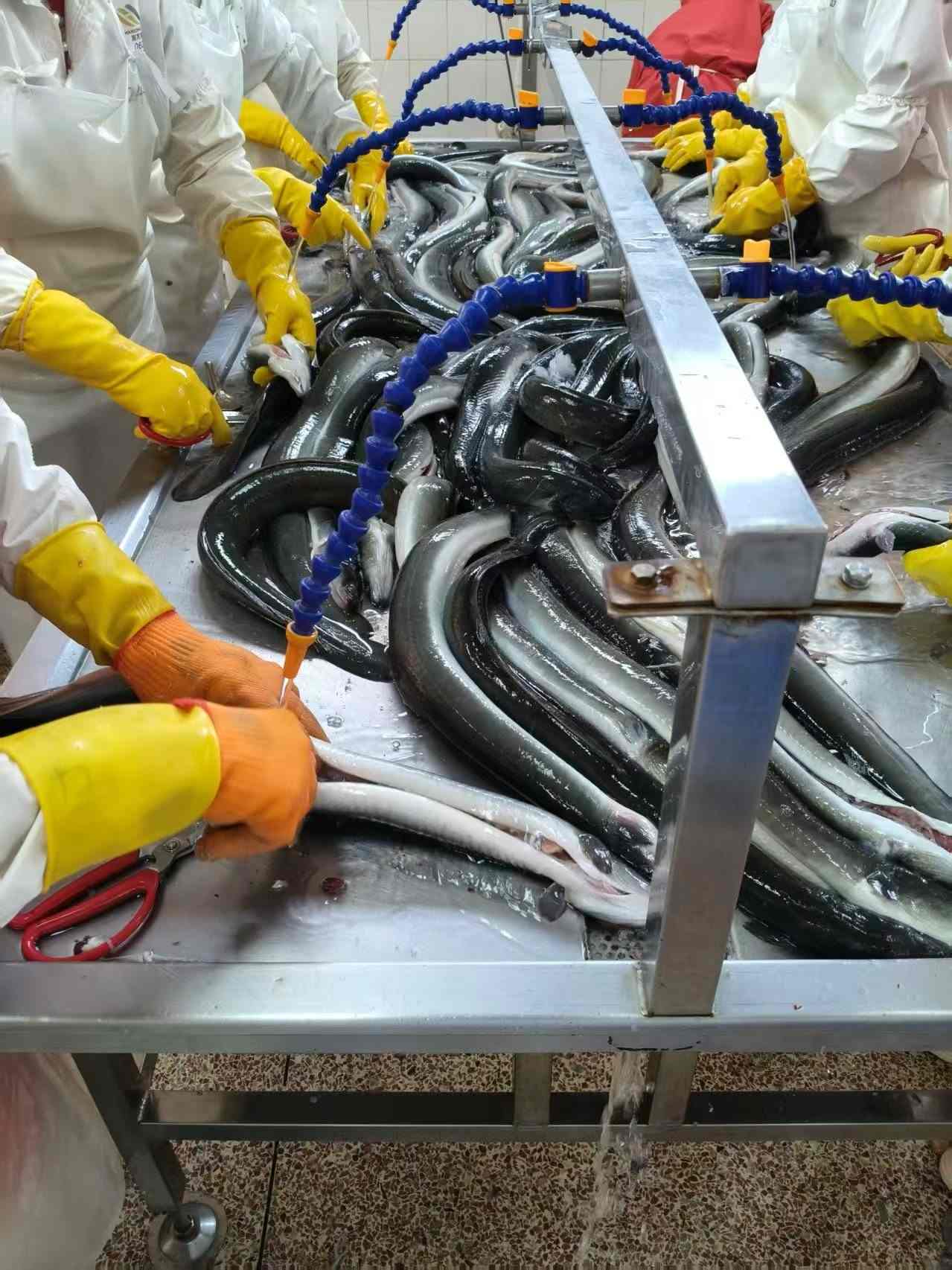
Freshwater eel has a distinctive shape and rich texture. Preparing it for kabayaki requires careful handling because the finished fillet should be neat, tender, and easy to eat. The eel is opened, cleaned, and deboned before it reaches the grill.
For commercial kitchens, pre-prepared frozen unagi kabayaki can reduce preparation work and provide a consistent format for service. Eelpro Co., LTD supplies frozen unagi kabayaki alongside eel sauce, freshwater eels, and other frozen seafood products for overseas buyers.
Home cooks who want to understand raw preparation can explore this eel cleaning guide. Cleaning alone does not define the finished dish; grilling and glazing complete the kabayaki style.
Grilling and glazing
Grilling gives the fillet its roasted aroma while firming the surface and keeping the interior tender. Sauce is applied during cooking, allowing the heat to develop a darker, more fragrant coating.
A well-balanced glaze should cling to the fillet without forming a heavy, sticky shell. It should complement the eel’s soft, fatty texture. Too little sauce can leave the dish underseasoned, while too much may overpower the fish and make the serving feel dense.
This is why the sauce is not a minor detail. Eel tare, also called unagi sauce, helps define the product’s identity. Buyers comparing sauce options can review Eelpro’s eel sauce products. The sauce may be served with the eel, applied during finishing, or offered separately depending on the menu format.

What Makes Kabayaki Eel Different from Other Unagi Dishes?
What makes kabayaki eel different from other unagi dishes? It comes down to the combination of cut, cooking method, and glaze. Unagi is the Japanese term commonly used for freshwater eel, while kabayaki describes a specific preparation applied to that eel.
Plain grilled eel may have a smoky flavor with little or no sauce. An eel sushi topping may be cut into smaller pieces and paired with rice, seaweed, or other ingredients. Eel tempura uses batter and a different cooking method. Kabayaki is recognized by its opened fillet, grilled surface, and sweet-savory coating.
The contrast is easy to see on a menu:
- Kabayaki-style eel is an opened fillet prepared with grilling and glaze.
- Plain grilled eel focuses more directly on the roasted flavor of the fish.
- Eel sushi applications use kabayaki or another cooked eel format as one component of a composed item.
- Eel tempura has a crisp batter rather than a lacquered sauce surface.
These differences matter when selecting products. A sushi restaurant may need narrow pieces or clean portions for topping. A rice bowl concept may prefer a wider fillet that creates a generous visual center. A distributor may need product information that clearly distinguishes raw freshwater eel from cooked, glazed unagi kabayaki.
Flavor and texture
Japanese glazed eel is known for its soft texture and rich flavor. The glaze adds sweetness and umami, while grilling contributes roasted notes. Warm rice provides a mild base that absorbs excess sauce and keeps the dish balanced.
Texture can vary according to the cut and finishing method. A careful reheat should warm the eel without drying the surface. If handled too aggressively, the tender flesh may break apart. For foodservice operations, clear preparation instructions and consistent portion formats can help staff preserve the appearance of each serving.
How Is Eel Kabayaki Traditionally Served?
How is eel kabayaki traditionally served? The best-known format is eel over rice. The fillet is placed on a bowl of steamed rice, with additional sauce added to taste. This style is often called unadon when served in a bowl and unajū when presented in a lidded box, although menu terminology can vary by market.
Rice is more than a side dish. It softens the eel’s richness and carries the glaze through every bite. Restaurants may also serve Japanese pepper, pickles, soup, or fresh garnishes to create contrast.
For international menus, kabayaki can move beyond the traditional bowl without losing its identity. Consider these formats:
- Rice bowls with sliced eel and a light finishing drizzle.
- Sushi rolls using glazed eel with cucumber or other fresh ingredients.
- Bento boxes with rice, vegetables, and a controlled portion of eel.
- Small plates for tasting menus or shared dining.
- Noodle dishes that use sliced kabayaki as a rich topping.
For further menu ideas, Eelpro’s eel noodle soup recipe shows how eel can work in a warm, composed dish. A rice bowl remains the clearest introduction, but the same fillet can support many service styles.
Serving advice for buyers and cooks
Choose the serving format before selecting the portion. A bowl concept needs speed and repeatability, while a plated restaurant may place greater value on the fillet’s visual length and shape. A sushi menu may require pieces that are easy to cut and position.
Keep the presentation simple. Place the eel over rice, use sauce with restraint, and add fresh or pickled elements for contrast. The glossy surface should remain visible. Cutting the fillet into irregular pieces may suit some dishes, but a neat portion creates a stronger first impression.
When buying frozen product, confirm the product name, cut, cooking status, sauce arrangement, storage instructions, and intended application. These questions can prevent a common mistake: ordering a raw eel item when the kitchen needs a ready-to-finish cooked portion.
Cold Fact and Common Kabayaki Mistakes
Cold fact
A classic kabayaki fillet is not simply grilled once and covered with sauce at the end. The glaze is commonly built during finishing, helping create the dark, smooth surface associated with the dish. This layered approach gives kabayaki much of its distinctive aroma and appearance.
Avoid this pitfall
Do not judge kabayaki solely by the color of the sauce. A very dark coating does not automatically indicate better flavor. Instead, consider the relationship between the fillet and the glaze. The eel should remain the main flavor, with the sauce contributing sweetness, salt, and depth.
Another mistake is treating every unagi product as interchangeable. Raw freshwater eel requires a different kitchen process than frozen cooked unagi kabayaki. Likewise, a sauced portion may not be the best fit for a menu that wants full control over its finishing flavor.
For a closer look at sauce balance, see Eelpro’s article on the kabayaki sauce profile. It can help culinary teams consider how glaze influences the finished dish.
How to Choose Eel Kabayaki for a Menu
A clear buying checklist keeps the decision practical. Start with the menu role, then review the product details.
- Define the serving format. Decide whether the eel will top rice, fill sushi, accompany noodles, or appear as a plated portion.
- Confirm the cut. Ask about fillet shape, skin presentation, deboning, and portion consistency.
- Review the sauce arrangement. Determine whether the product includes glaze or whether your kitchen will apply its own eel tare.
- Match the cooking status to kitchen labor. A cooked frozen item can suit fast service, while raw eel requires more preparation.
- Check the storage and handling information. Use the supplier’s product documentation for correct frozen storage and preparation instructions.
- Request product samples when possible. Evaluate aroma, texture, glaze adhesion, and appearance in the actual menu format.
Eelpro Co., LTD also offers a frozen unagi kabayaki product for buyers reviewing cooked eel options. Distributors and foodservice teams can also explore the company’s frozen seafood range when building a broader menu portfolio.
Final Takeaway
Eel kabayaki is defined by three connected elements: the opened fillet, the grilling process, and the sweet-savory glaze. Together, they create a dish that is rich, tender, aromatic, and easy to recognize.
For traditional service, place the eel over warm rice and keep the presentation clean. For modern menus, use the same glazed fillet in sushi, noodles, bento meals, or composed plates. The most useful buying question is simple: do the cut, sauce, and preparation status suit the dish your kitchen needs to serve?
What is your favorite way to serve Japanese glazed eel? Share your ideas in the comments, and explore more eel rice bowl ideas for practical menu inspiration.