Unagi and Anago Are Menu Terms Every Eel Buyer Should Know
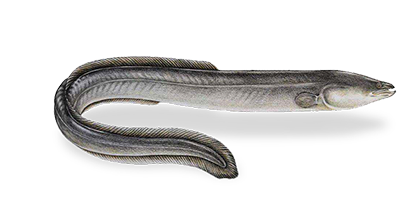
Unagi is freshwater eel, while anago is saltwater conger eel. For restaurant operators and seafood buyers, understanding the difference between unagi and anago helps prevent product mismatches, unclear menu descriptions, and disappointed diners. A customer may order eel sushi, the kitchen may receive anago, and the menu may say unagi. Without clear terminology, confusion can follow quickly.

What Unagi and Anago Mean
That short definition explains the main commercial difference, but it does not tell the whole story. The two eels perform differently on the plate, take sauces differently, and suit different menu formats.
Unagi generally refers to freshwater eels from the Anguilla group. In Japanese foodservice, the word is strongly associated with grilled eel, especially kabayaki. Anago generally refers to conger eel, a marine eel often used in sushi, tempura, and lighter Japanese dishes. The term conger eel is useful when reviewing a product description because “anago” alone may not tell an overseas buyer which species group is involved.
This is the practical answer to what is the difference between unagi and anago: their usual habitat, species group, texture, fat level, and culinary role are different. Both are eels, but they are not interchangeable products.
The Definition Angle Buyers Need
For procurement teams, the clearest way to understand unagi and anago is to separate the menu term from the product specification. A Japanese name may describe a culinary style, but a purchase order requires more detail.
| Buyer question | Unagi | Anago |
|---|---|---|
| Basic meaning | Freshwater eel | Saltwater conger eel |
| Typical flavor | Richer, fuller, and naturally oily | Lighter, cleaner, and more delicate |
| Common texture | Soft, tender, and rich after grilling | Flaky and lighter in the mouth |
| Common preparation | Kabayaki, rice bowls, sushi toppings, and grilled dishes | Sushi, tempura, simmered dishes, and lighter toppings |
| Best sauce direction | Sweet-savory kabayaki sauce or unagi tare | Light glaze, soy-based seasoning, or restrained sauce |
| Buying concern | Confirm freshwater eel identity and processing style | Confirm conger eel identity and intended menu use |
This table provides a working definition, not a substitute for a specification sheet. Buyers should still confirm species naming, cut, skin-on or skinless format, cooking status, pack style, and local labeling rules before approval.
Unagi vs Anago in Flavor and Texture
The most noticeable distinction in unagi vs anago is richness. Unagi usually has a deeper, more rounded taste because its flesh is naturally richer. Grilling adds roasted notes, while kabayaki sauce brings sweetness and savory depth. A warm slice over rice can carry an entire dish.
Anago tends to feel lighter. Its flavor is often more restrained, with a softer marine character that works well with rice, vinegar, seaweed, and crisp batter. It can be a suitable choice when the menu calls for an eel topping that does not overwhelm the other ingredients.
Texture matters as well. Properly prepared unagi is tender and yielding, making it especially suited to grilling, brushing with sauce, and serving over rice. Anago is often presented as a lighter, more delicate bite. The final result depends on the species, size, handling, cut, cooking method, and product format supplied to the kitchen.
At Eelpro, our technical team considers menu application an important part of the buying decision. A product that performs well in a grilled rice bowl may not be the right choice for a delicate sushi topping. The question is not simply which eel tastes better, but which eel fits the dish, service style, and customer expectation.
Freshwater Eel vs Conger Eel on Restaurant Menus
The phrase freshwater eel vs conger eel is often more useful for international buyers than the Japanese menu words alone. “Freshwater eel” points toward unagi, while “conger eel” points toward anago. Menus in different countries, however, may use Japanese terms, English translations, or both.
How are unagi and anago labeled on menus?
Menus may label unagi as “grilled freshwater eel,” “unagi don,” “unagi sushi,” or “kabayaki eel.” Anago may appear as “conger eel,” “anago sushi,” “saltwater eel,” or “anago tempura.” Some menus shorten the name to “eel,” which can cause problems when customers expect one product and receive another.
For foodservice buyers, a clearer menu description can include both the Japanese term and the English meaning. For example:
- Unagi kabayaki — grilled freshwater eel with sweet-savory sauce.
- Unagi don — freshwater eel served over rice.
- Anago sushi — conger eel prepared as a sushi topping.
- Anago tempura — conger eel coated and fried in tempura batter.
These labels help diners understand the dish before ordering. They can also help distributors maintain consistent product names across catalogs, invoices, cartons, and restaurant menus.
When a buyer sees only “eel” on a supplier quotation, request the exact product identity. Clarify whether it is unagi or anago, whether it is raw or cooked, and whether the intended use is sushi, grilling, rice bowls, or another application.
Which Eel Is Better for Sushi and Foodservice?
The answer depends on the menu. There is no single winner in unagi and anago selection.
Choose unagi for rich grilled dishes
Unagi is a strong fit for restaurants serving kabayaki, rice bowls, sushi rolls, and grilled eel plates. Its richer character pairs naturally with sweet-savory sauce. It can also support a dish with only a few toppings because the eel provides much of the flavor.
For operators seeking a ready-to-serve format, Eelpro supplies frozen unagi kabayaki. This product category can simplify menu planning when the kitchen wants a familiar grilled eel presentation without building the dish around raw eel preparation. Buyers should match the selected pack and portion format to their own service needs.
Choose anago for lighter sushi and fried dishes
Anago often suits sushi menus that favor a lighter eel bite. It can also work in tempura, simmered preparations, and dishes where vinegar rice or other toppings should remain noticeable. Its milder profile gives chefs more room to balance the plate.
For sushi counters, the choice may depend on the restaurant concept. A specialty unagi shop may build its identity around rich grilled freshwater eel. A broad sushi menu may use anago as one of several delicate toppings. Neither choice is automatically better.
Match the product to the kitchen
Restaurant buyers should compare four points before placing an order:
- Dish identity: Decide whether the menu promises kabayaki, sushi, tempura, or another preparation.
- Flavor target: Select a richer eel for a strong grilled profile or a lighter eel for more delicate combinations.
- Kitchen process: Confirm whether the team needs a cooked frozen format or a product for further preparation.
- Menu wording: Make the eel type clear in English and Japanese where useful.
Eelpro also supplies eel sauce and unagi tare for buyers building a grilled eel program. Sauce should support the fish, not conceal an unclear product identity.
Buying and Labeling Advice for Distributors
For distributors, the main risk is not a lack of culinary vocabulary. It is a mismatch between the name used by sales staff and the product delivered to a restaurant. A buyer may request “anago” because a customer wants a lighter sushi topping, then receive a freshwater eel product described only as “eel.” Clear documentation helps prevent that mistake.
Use a product description that states the common name, Japanese menu term, processing state, and intended use. For example, a catalog entry might identify a product as frozen freshwater eel kabayaki or as saltwater conger eel for sushi applications. The exact wording should reflect the actual product and applicable market rules.
Do not treat “kabayaki” as a species name. Kabayaki describes a preparation style commonly associated with grilled eel and sauce. An eel product can be described by species and preparation, but these are separate pieces of information.
Do not treat “sushi eel” as a precise species name either. That phrase may describe a menu application rather than a biological identity. Ask the supplier to state whether the product is unagi or anago.
Our frozen eel supplier page gives buyers a starting point for reviewing Eelpro’s unagi product range. For broader category planning, our frozen seafood products page can help distributors compare related offerings.
Japanese Eel Types and Menu Language
Japanese eel types can be confusing because culinary language, trade language, and biological language do not always align perfectly. “Unagi” and “anago” are the most important menu terms for this comparison, but their English translations may vary by market.
A buyer should not approve a product based on a Japanese name alone. Check the supplier’s product description and use the same terminology throughout the purchasing process. This is especially useful when a distributor sells to restaurants that write menus in English, Japanese, or both.
Here is a simple rule: use unagi when the product is freshwater eel, and use anago when the product is conger eel. Add the preparation style separately. “Unagi kabayaki” is clearer than “eel kabayaki.” “Anago sushi” is clearer than “sushi eel.”
Cold Fact and Common Labeling Trap
Cold fact: “Eel” is not one uniform menu product. Two eel dishes can look similar on a plate while differing in habitat, species group, flavor, texture, and best use.
Avoid this trap: do not substitute anago for unagi simply because both are long, dark-skinned eels. A customer ordering rich grilled unagi may not expect the lighter character of anago. Likewise, a sushi chef may not want a rich kabayaki-style freshwater eel when the menu calls for delicate conger eel.
Before approving a sample, taste it in the final serving style. Grill a proposed unagi product with the planned sauce. Prepare a proposed anago product using the intended sushi or tempura method. The most useful comparison happens on the plate, not only in a spreadsheet.
Final Buyer Checklist
Before listing unagi and anago in a catalog or menu, confirm the following:
- The product is identified as freshwater eel or conger eel.
- The Japanese menu term matches the product identity.
- The preparation style is stated separately from the species name.
- The flavor and texture suit the planned dish.
- The product format fits the kitchen process.
- The menu gives customers enough information to understand the dish.
- The quotation, carton, invoice, and menu use consistent terminology.
So, what is the difference between unagi and anago? Unagi is the richer freshwater eel commonly associated with grilled kabayaki, while anago is conger eel with a lighter culinary profile. For sushi, grilling, distribution, and foodservice, the better choice depends on the dish and the promise made on the menu.
At Eelpro Co., LTD, we support overseas buyers with frozen unagi kabayaki, unagi tare, freshwater eels, and frozen seafood. If your menu is deciding between these two eel terms, share your preferred preparation or customer market with our team. You can also explore our kabayaki sauce guide for more menu planning ideas.