

What Is Kabayaki and How Does It Compare With Teriyaki?
Kabayaki is a Japanese eel preparation in which the fish is grilled and coated with a sweet-savory glaze. Unlike teriyaki, which is a broader cooking style used with many ingredients, kabayaki is closely associated with eel. The distinction matters whether you are planning a menu, cooking Japanese food at home, or sourcing ready-to-serve eel for foodservice.
What Is Kabayaki?
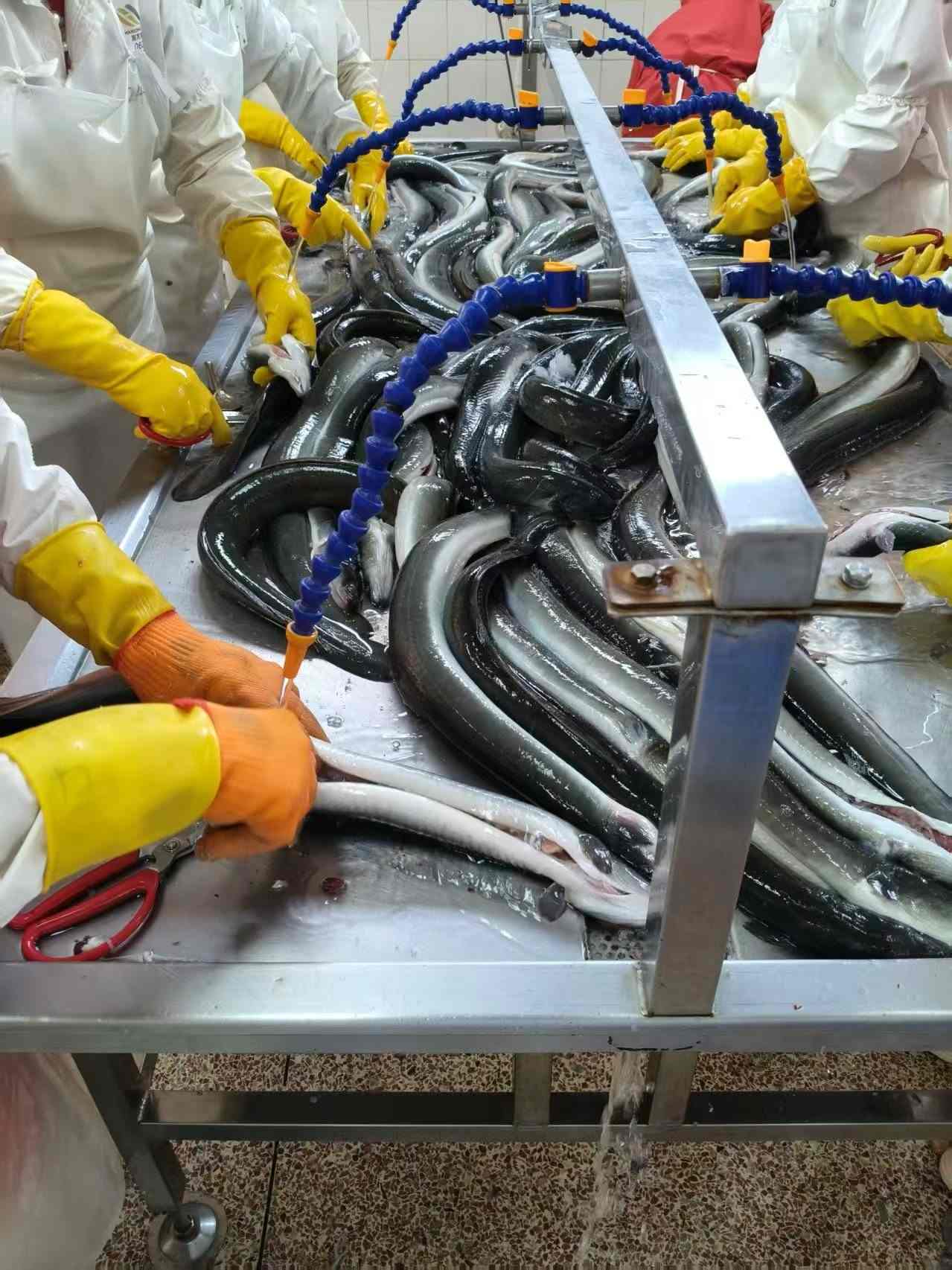
What is kabayaki? Kabayaki is a Japanese preparation in which eel is opened, cleaned, cut into fillets, grilled, and coated with a sweet-savory sauce. The eel is typically cooked in stages, with glaze brushed on during grilling so it adheres to the surface and develops a glossy finish.
The term describes more than a sauce. It refers to a distinct method of preparing eel. A sweet brown glaze on its own does not automatically make a dish kabayaki.
For buyers, what is kabayaki can be answered in practical terms: it is a prepared eel product intended to deliver a familiar Japanese grilled eel profile with less kitchen labor. Frozen unagi kabayaki can be used in rice bowls, sushi toppings, bento meals, noodle dishes, and plated seafood menus.
The traditional preparation begins with freshwater eel. The fish is cleaned and opened, then grilled and glazed. The result is a contrast of lightly charred edges, tender flesh, and a sauce that brings together sweet, salty, and roasted notes.
Readers who want to understand the fish before cooking can explore this eel preparation guide. It covers basic handling questions that often arise when working with whole eel.
What Is Kabayaki as a Foodservice Product Definition?
For an international buyer, what is kabayaki should also answer a sourcing question: what arrives in the kitchen, and how much work remains? The main distinction is that kabayaki combines a fish-specific preparation with a ready-to-use glaze. Teriyaki, by contrast, is generally a broader cooking and sauce method that can be applied to many proteins.
| Point of comparison | Kabayaki | Teriyaki |
|---|---|---|
| Definition | A traditional eel preparation with grilling and repeated glazing | A cooking style and sauce commonly used with fish, chicken, beef, tofu, and vegetables |
| Typical protein | Freshwater eel | Many proteins and plant-based foods |
| Preparation focus | Cleaning, filleting, grilling, and saucing eel | Cooking the chosen ingredient with or alongside a teriyaki-style glaze |
| Texture goal | Soft, rich eel with a lightly grilled surface | Texture depends on the selected protein and cooking method |
| Foodservice value | Consistent eel menu items with less preparation work | A flexible sauce profile for a wide range of menu items |
This comparison provides a practical answer to what is kabayaki for purchasing teams. Kabayaki is not simply “eel with teriyaki sauce.” It carries a specific preparation tradition and product expectation. When a menu lists unagi kabayaki, guests generally expect tender grilled eel, a glossy glaze, and a Japanese-style serving format.
Why the distinction matters to buyers
A restaurant may have a sauce program, but that does not mean it has an eel preparation program. Whole eel requires handling knowledge, trimming, deboning, cooking control, and portion planning. A frozen prepared product can reduce those steps.
When evaluating a supplier, ask what form the product takes, whether the glaze is already applied, how it is packed, and what handling instructions are provided. Do not assume every eel product offers the same level of kitchen convenience.
Eelpro Co., LTD supplies frozen unagi kabayaki for overseas buyers seeking a practical Japanese seafood offering. Our technical team focuses on providing clear product information so buyers can match an item to their intended menu format.
How Kabayaki Eel Is Prepared for Foodservice
How is kabayaki eel prepared for foodservice? The process begins with eel selection and cleaning. The fish is opened, the edible fillet is prepared, and the product is grilled before sauce is applied. A supplier may provide the eel in a frozen, prepared format, allowing a foodservice kitchen to focus on heating, portioning, and presentation according to its operating instructions.
For restaurants, the practical advantage is greater control over final service. The same product can become a rice bowl at lunch, a sushi topping at dinner, or a plated special with vegetables and noodles. The kitchen does not need to build every dish from whole raw eel.
Before ordering, review these points:
- Product form: Confirm whether the eel is filleted, sauced, frozen, or supplied in another format.
- Menu use: Decide whether you need portions for rice bowls, sushi, bento, noodles, or plated dishes.
- Glaze preference: Check whether the product includes sauce or whether your kitchen will add its own eel sauce.
- Storage instructions: Follow the supplier’s frozen storage and preparation guidance.
- Serving method: Plan how the product will be heated and finished without drying the flesh.
- Label information: Review ingredient, allergen, package, and import documentation before placing a commercial order.
Our unagi kabayaki supplier page gives buyers another way to review Eelpro’s eel product range. For a wider seafood program, our frozen seafood products may also suit mixed-menu purchasing plans.
A simple service workflow
- Move the frozen product through the supplier’s recommended thawing process.
- Heat it gently according to the package instructions or internal kitchen procedure.
- Check that the center is hot before service.
- Brush with additional kabayaki sauce only if the menu requires a stronger finish.
- Serve over rice, with sushi, in noodles, or alongside vegetables.
Do not treat the fillet like a dry, lean fish. Eel has a rich mouthfeel. Excessive heat can reduce its softness and cause the glaze to darken too quickly. A careful finish is generally better than aggressive reheating.
What Is the Difference Between Kabayaki and Teriyaki?
What is the difference between kabayaki and teriyaki? Kabayaki is closely associated with eel and its traditional grilling process. Teriyaki is a broader Japanese cooking style based on a glossy sweet-savory sauce that can be used with many ingredients.
The two dishes can look similar on a plate. Both may have a brown glaze, and both can taste sweet and savory. The difference lies in the ingredient, preparation, and expected serving style.
With kabayaki eel, the sauce supports the character of the fish. Grilling adds roasted flavor, while the glaze brings sweetness and salt. With teriyaki, the sauce may be the main feature shared across chicken, beef, salmon, tofu, or vegetables.
That is why menu descriptions should be precise. “Grilled eel with teriyaki-style sauce” may help a new customer understand the flavor. “Unagi kabayaki” speaks more directly to diners looking for Japanese grilled eel prepared in a familiar style.
Preparation differences
Kabayaki generally involves opening and filleting eel before grilling. The sauce is applied during or after cooking. Teriyaki may involve marinating, grilling, pan-cooking, or broiling a selected ingredient, with the glaze used according to the recipe.
In short, kabayaki is more specific, while teriyaki is more adaptable.
What Does Kabayaki Sauce Taste Like?
What does kabayaki sauce taste like? It is usually sweet, savory, lightly salty, and rich, with a roasted finish. The sauce should complement the oily tenderness of eel rather than hide it.
Many diners find the flavor balanced rather than sharply sweet. The glaze adds depth to plain rice and works well with ingredients that absorb sauce. That makes kabayaki sauce useful beyond eel. It can also complement noodle bowls, sushi rolls, vegetables, and other Japanese-inspired menu items when the recipe suits the dish.
At Eelpro, we offer eel sauce and unagi tare for buyers who want a separate sauce option. This can help foodservice operators adjust the final finish, serve extra sauce at the table, or use a consistent flavor profile across several menu items.
Flavor questions are often best settled with a sample. Sauce balance can affect repeat orders, especially when a restaurant serves customers who prefer either a sweeter glaze or a more savory finish. Compare the sauce with rice, noodles, and the selected eel portion rather than tasting it on its own.
How to Serve Unagi Kabayaki
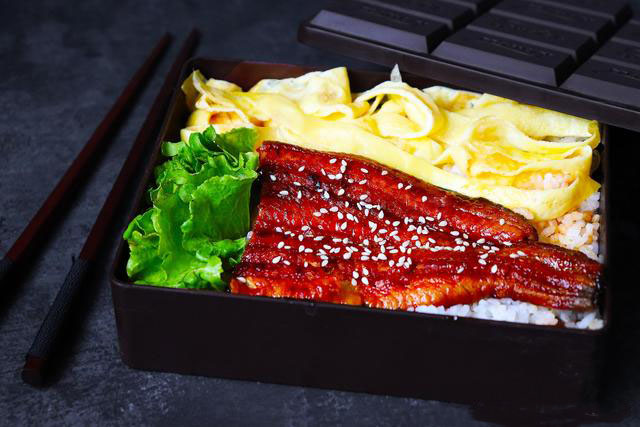
What is kabayaki without its serving context? On many menus, it is served over steamed rice as unadon or included in a bento. The rich fish and glossy sauce pair naturally with a simple base. Rice provides that base, while pickles, green vegetables, or a light soup can keep the meal from feeling too heavy.
Foodservice buyers can also consider:
- Rice bowls with sliced eel and a final brush of sauce
- Sushi rolls using eel, cucumber, and rice
- Warm noodle bowls finished with eel pieces
- Bento boxes with eel, rice, and seasonal sides
- Small plates for Japanese restaurants and seafood counters
For recipe inspiration, see these eel noodle recipes or explore ideas for an eel rice bowl. The same prepared fillet can support different price points and service occasions.
Buying Tips for International Eel Buyers
What is kabayaki from a purchasing perspective? It is a product category that should be assessed by preparation, sauce, storage, intended use, and documentation rather than appearance alone.
Use this checklist when comparing offers:
- Ask for the product description and preparation instructions.
- Confirm whether the item is frozen and how it should be stored.
- Review the sauce format and ingredient information.
- Match the fillet format with your planned serving size.
- Request samples before making a larger commercial decision.
- Discuss export documents and destination-market requirements with the supplier.
A glossy surface is not enough to judge a product. The fillet should also suit your serving format, reheating method, and target customer. A product selected for sushi may require a different portion plan from one selected for rice bowls.
Cold fact and common mistake
Cold fact: Kabayaki is linked to the preparation of eel itself, not simply the color of the sauce. That is why two dishes with similar brown glazes can still belong to different menu categories.
Avoid this mistake: Do not promise “traditional kabayaki” when the kitchen is using ordinary grilled eel with a generic sweet sauce. Clear wording helps protect customer expectations and allows buyers to select the right product from the start.
Frequently Asked Questions About What Is Kabayaki
What is kabayaki?
What is kabayaki? It is a Japanese eel preparation featuring cleaned and filleted eel that is grilled and coated with a sweet-savory glaze. It is commonly served with rice, sushi, noodles, or bento dishes.
What is the difference between kabayaki and teriyaki?
What is the difference between kabayaki and teriyaki? Kabayaki is a specific eel preparation, while teriyaki is a broader sauce and cooking style used with many proteins and vegetables. The two may share a glossy sweet-savory flavor, but kabayaki has a stronger connection to grilled eel and its traditional preparation.
How is kabayaki eel prepared for foodservice?
How is kabayaki eel prepared for foodservice? The eel is cleaned, opened, filleted, grilled, and glazed before it is supplied in a prepared format. Foodservice teams then follow the supplier’s storage and heating instructions before serving it in bowls, sushi, noodles, bento, or plated dishes.
What does kabayaki sauce taste like?
What does kabayaki sauce taste like? It usually tastes sweet, savory, lightly salty, and roasted. The best pairing brings out the rich tenderness of eel without covering its natural character.
Is unagi kabayaki suitable for international menus?
Yes. Unagi kabayaki can fit Japanese restaurants, sushi counters, Asian casual dining, seafood menus, bento programs, and fusion concepts. Its prepared format can also help kitchens add a recognizable Japanese grilled eel item without handling whole raw eel.
Final Takeaway for Buyers and Cooks
What is kabayaki in one sentence? It is a grilled and glazed eel preparation with a distinct cooking identity, not merely a sweet brown sauce.
Compared with teriyaki, kabayaki is narrower and more eel-specific. It offers a tender texture, smoky grilled notes, and a glossy sauce that works naturally with rice and Japanese seafood menus. For international buyers, frozen prepared eel can make this format easier to plan and serve.
Explore Eelpro’s unagi kabayaki eel range, compare it with your menu needs, and share your preferred serving style in the comments. Rice bowl, sushi roll, or noodle dish—which would you choose?