

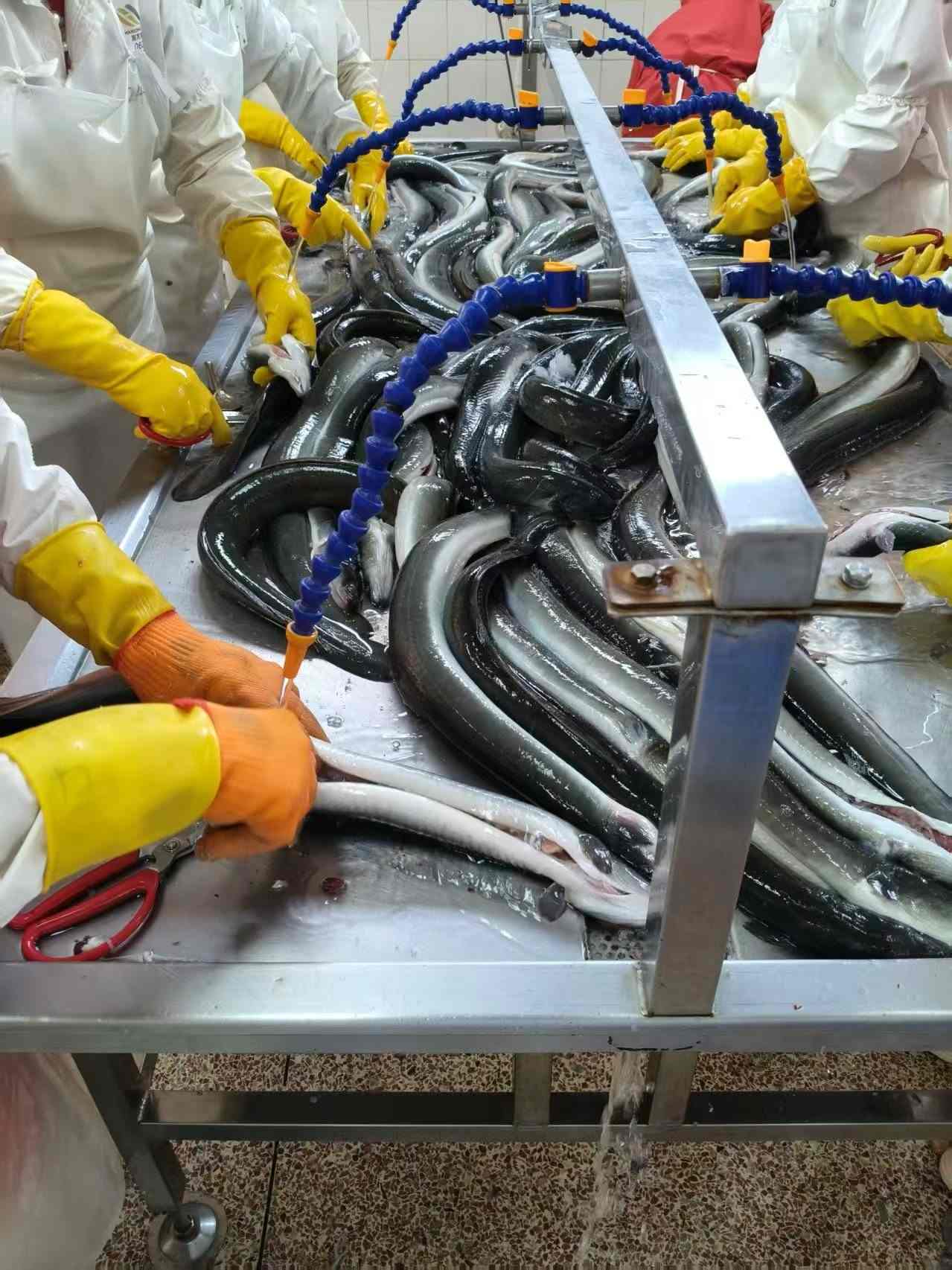
Unagi Mushroom: What It Is and How It’s Used
Unagi mushroom is not usually a single, officially defined mushroom variety. The phrase may describe an eel-and-mushroom dish, a menu pairing, or an informal product name. That ambiguity matters when buying ingredients, writing menus, or sourcing products for foodservice.
What Is Unagi Mushroom?
The simplest unagi mushroom meaning is a culinary connection between unagi, the Japanese word for freshwater eel, and mushrooms. In a restaurant setting, the phrase may refer to a dish combining grilled eel with shiitake, shimeji, enoki, maitake, or another mushroom. On a menu, it can also describe a mushroom side dish served with unagi sauce.
It is not generally understood as the standard name of one mushroom species. Unlike familiar Japanese mushroom varieties such as shiitake or enoki, “unagi mushroom” does not identify a universally recognized botanical ingredient. Its meaning can depend on the seller, chef, menu, or local market.
That distinction is useful for buyers. If a supplier lists “unagi mushroom,” ask what the phrase refers to:
- A prepared dish containing eel and mushrooms.
- A mushroom item seasoned with eel sauce, also called unagi tare.
- A marketing name for a mushroom product with a long, glossy, or eel-like appearance.
- A recipe concept created for sushi, rice bowls, noodles, hot pots, or grilled menus.
Do not assume the name identifies the mushroom species. Request the ingredient name, product form, origin, pack information, and preparation instructions before placing an order. Clear wording can help prevent substitutions that affect taste, texture, or allergen information.
Is Unagi Mushroom a Real Mushroom Variety?
Is unagi mushroom a real mushroom variety? In general culinary usage, no single mushroom variety is universally defined by that name. It is better treated as a descriptive phrase than as a fixed species name.
For comparison, buyers can identify common mushrooms by more established names:
| Mushroom type | Typical culinary character | Possible use with unagi |
|---|---|---|
| Shiitake | Deep savory taste and a firm bite | Grilled side dish, donburi topping, or noodle garnish |
| Shimeji | Compact caps with a pleasant, earthy flavor when cooked | Stir-fry, rice bowl, or mixed mushroom topping |
| Enoki | Thin stems and a light, delicate texture | Soup, hot pot, or a fresh contrast to glazed eel |
| Maitake | Frilly structure and a pronounced savory character | Grilled or sautéed accompaniment |
| Nameko | Small mushrooms with a naturally slippery surface | Soup and warm rice dishes |
These are practical categories, not a replacement for a supplier’s product specification. Mushroom texture can vary by variety, growing conditions, processing, freezing, and cooking method. Foodservice buyers should confirm whether an item is fresh, frozen, dried, sliced, whole, marinated, or supplied in a ready-to-cook format.
This is where “mushroom products for foodservice” becomes a useful search and buying category. A restaurant may not need a product called unagi mushroom at all. It may simply need a consistent mushroom format that works alongside frozen unagi kabayaki and an established sauce system.
Why Does Eel Work with Mushrooms?
The pairing works because the ingredients offer different yet compatible qualities. Unagi has a rich, oily mouthfeel and a soft, tender texture. Kabayaki preparation adds a sweet-savory glaze, often with a roasted surface. Mushrooms contribute earthiness, moisture, aroma, and a more varied bite.
The result can feel satisfying without making the plate one-dimensional. A soft eel fillet over rice becomes more interesting when paired with mushrooms that provide a firmer or springier texture. A dark, glossy sauce can be balanced by the natural aroma of sautéed mushrooms.
How is unagi paired with mushrooms? Most pairings follow one of four formats:
- Rice bowl: Place glazed eel over rice and add sautéed mushrooms as a side or topping.
- Noodle dish: Use sliced eel and mushrooms with broth, noodles, scallions, and a measured amount of sauce.
- Grilled plate: Serve kabayaki with grilled mushrooms and a simple vegetable garnish.
- Sushi or roll: Combine eel with mushroom components that do not overpower the rice, nori, and filling.
For a familiar starting point, buyers and chefs can review the eel flavor pairings guide. It can support menu development while keeping eel as the central ingredient.
Best Mushroom Pairings for Unagi Menus
Shiitake and unagi
Shiitake is a strong option when a dish needs a deeper savory note. Fresh shiitake can be sliced and sautéed, while dried shiitake can add concentrated mushroom character after rehydration. Because both shiitake and eel bring substantial flavor, use sauce with restraint.
Shimeji and unagi
Shimeji mushrooms work well in bowls and stir-fries because their small clusters add visual interest. They can be cooked with vegetables, folded through rice, or served beside sliced kabayaki. Their texture helps distinguish the tender eel from softer rice.
Enoki and unagi
Enoki creates a lighter impression. It suits soups, hot pots, and noodle dishes, where its long strands can be lifted with the other ingredients. The delicate mushroom should not be buried under heavy sauce. Add it near the end of cooking when the recipe calls for a clean texture.
Maitake and unagi
Maitake provides a more pronounced mushroom presence and works well in grilled or pan-cooked dishes. Its irregular shape catches glaze, which can make a simple plate appear more generous. For an international menu, maitake can also bridge Japanese flavors with familiar grilled-food presentation.

How Restaurants Can Use the Pairing
Restaurants do not need to build an entirely new concept around the phrase. A clear menu description is often more effective than relying on an unfamiliar product name. For example, a menu can say “kabayaki eel with sautéed shiitake” or “unagi rice bowl with mixed mushrooms.” Customers can understand the ingredients immediately.
For buyers, the first decision is the dish format. A sushi restaurant may want portion-controlled frozen kabayaki for rice bowls and rolls. A noodle shop may need sliced eel and mushrooms that can be added during final assembly. A catering operation may prioritize simple reheating and consistent plating.
Eelpro supplies frozen unagi kabayaki, eel sauce, frozen seafood, and freshwater eels for overseas buyers. When planning a mushroom pairing, eel should remain the anchor ingredient. The mushroom should support the portion, sauce, and service style rather than hide the eel’s texture.
A practical workflow looks like this:
- Select the eel format that matches the menu application.
- Choose a mushroom with a contrasting texture.
- Decide whether the mushroom will be grilled, sautéed, simmered, or added to soup.
- Use sauce as a finishing element, not an automatic substitute for seasoning.
- Confirm storage, thawing, reheating, and handling directions in the product documentation.
For sauce planning, see the eel sauce product page. Buyers can also review kabayaki sauce guidance when developing a glaze-led menu.
Buying Advice for International Buyers
When a supplier uses the phrase unagi mushroom, treat it as a starting point for further questions. Ask for the recognized mushroom name and whether the item is supplied alone or as part of a prepared recipe. If the product includes sauce, request the ingredient declaration and handling details.
Important checks include:
- Product identity: Confirm the mushroom variety and whether the product is whole, sliced, dried, or frozen.
- Ingredient separation: Check whether eel, sauce, mushroom, and garnishes are packed together or separately.
- Storage condition: Confirm whether the item must remain frozen, chilled, or dry before preparation.
- Preparation method: Follow the supplier’s stated thawing and reheating instructions.
- Menu language: Use a description customers can understand instead of an unexplained nickname.
- Application fit: Match the cut and texture to bowls, sushi, noodles, grilling, or catering.
Food safety reminder: Keep frozen products frozen until handling them according to the supplier’s instructions, avoid unnecessary temperature changes, and reheat prepared eel until fully hot before serving. Product labels and local food regulations take priority over general recipe advice.
For buyers looking at a wider seafood range, Eelpro also offers frozen seafood products. This can support menu programs in which eel dishes appear alongside other frozen seafood items.
Key Fact and Common Mistakes
Key fact: A menu name can travel farther than its original meaning. A phrase that began as a chef’s description may later appear on a product list, a translated menu, or an online search page. The wording may remain while the actual mushroom changes. That is why species identification matters more than the nickname.
Avoid this mistake: Do not buy a product solely because its label says “unagi mushroom.” The name may not reveal whether you are receiving a mushroom, a finished eel dish, a sauce-coated ingredient, or a visual description. Ask for a product photo, ingredient list, and preparation details before confirming the order.
Another common mistake is adding too much glaze. Eel sauce is concentrated in flavor, and mushrooms absorb liquid quickly. Start with a small amount, taste after cooking, and add more only if the dish needs it. The finished plate should highlight the mushroom’s character as well as the eel’s roasted sweetness.
FAQ: Unagi Mushroom Meaning
What is unagi mushroom?
It is a context-dependent culinary phrase connected with eel and mushrooms. It may describe an eel-and-mushroom dish, a mushroom side seasoned with unagi tare, or an informal product name. It does not automatically identify one mushroom species.
Is unagi mushroom a real mushroom variety?
There is no single universally accepted mushroom variety defined by this name in ordinary culinary usage. Ask the seller to identify the mushroom using a recognized variety name, such as shiitake, shimeji, enoki, maitake, or another specific product name.
How is unagi paired with mushrooms?
Unagi is commonly paired with mushrooms in rice bowls, noodle dishes, grilled plates, sushi rolls, soups, and hot pots. Choose the mushroom according to the desired texture: shiitake for deeper savoriness, enoki for a lighter strand-like bite, and shimeji or maitake for a more substantial side or topping.
Can foodservice operators use this pairing?
Yes. It can work in restaurants, catering, sushi counters, noodle shops, and prepared-meal programs. The most reliable approach is to define the mushroom species, pack format, storage condition, and reheating method before creating the menu description.
Final Takeaway
The unagi mushroom concept is best understood as a food pairing or menu description rather than a fixed mushroom variety. Eel contributes richness and a sweet-savory glaze, while mushrooms add aroma, texture, and visual variety. For home cooks, the combination can expand a rice bowl or noodle dish. For overseas buyers, clear product identification is essential for consistent purchasing and accurate menu communication.
Explore Eelpro’s unagi kabayaki eel options when planning an eel-centered menu, and share your preferred mushroom pairing in the comments. Do you choose shiitake, shimeji, enoki, or maitake?