

What Is Kabayaki Sauce? Flavor, Uses, and Pairings
What is kabayaki sauce? It is a glossy Japanese-style sauce traditionally brushed over grilled eel, giving the dish a sweet-savory finish and a rich, roasted sheen. For restaurants, distributors, and home cooks, the key question is whether the sauce will complement the dish or overwhelm its best flavors.
Picture a warm bowl of rice topped with tender grilled eel. A dark glaze catches the light before soaking gently into the rice. The first taste is sweet, followed by savory depth and a subtle roasted note. That balance is what makes kabayaki sauce so appealing.
When served with unagi, it is also known as unagi tare sauce. Although it is closely associated with eel dishes, its uses extend to seafood, rice bowls, sushi rolls, vegetables, and selected meat or tofu preparations.
What Is Kabayaki Sauce in Japanese Cooking?
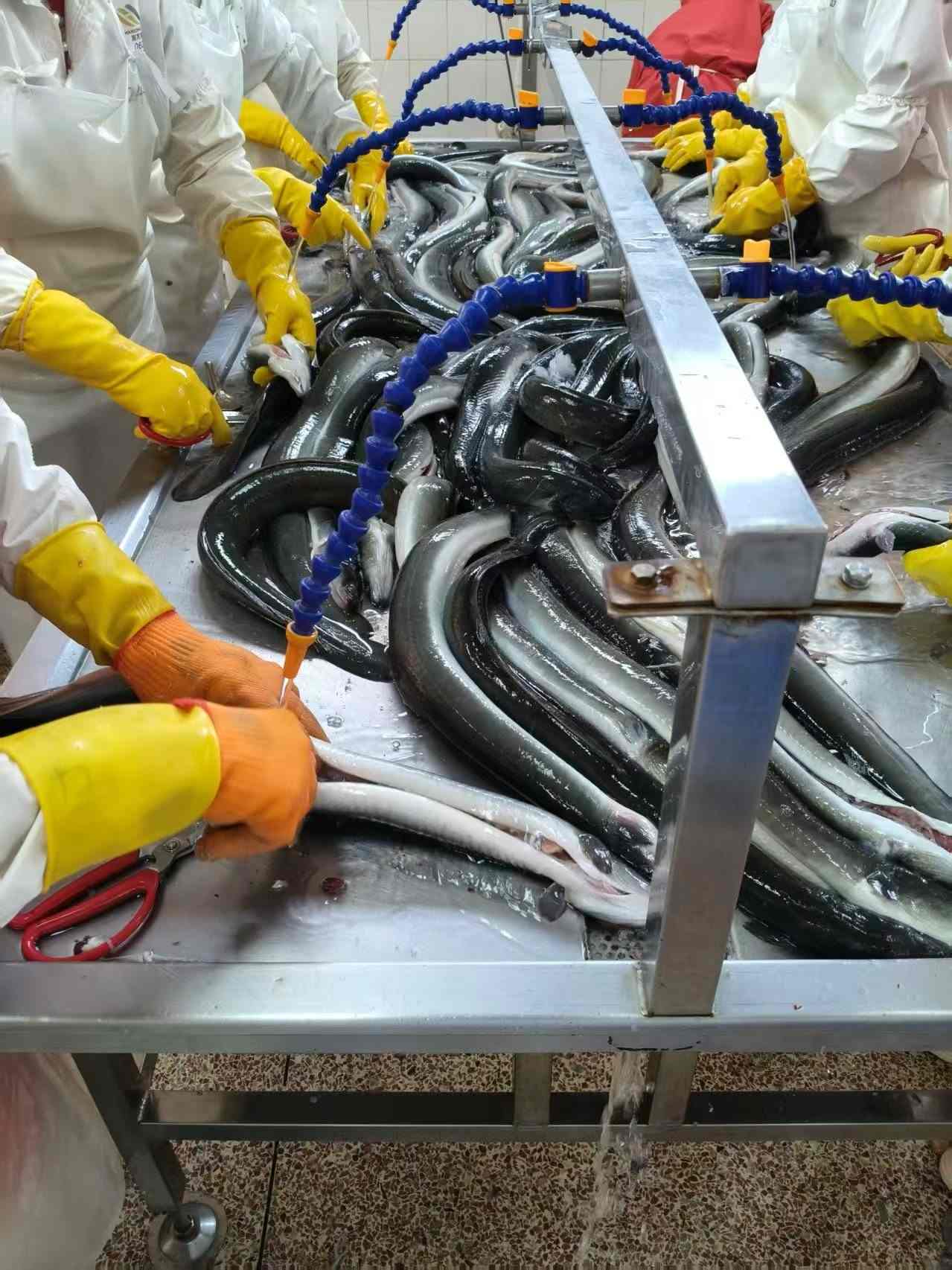
Kabayaki refers to a style of preparing eel in which the fish is commonly cleaned, filleted, grilled, and coated with sauce during or after cooking. The sauce is part of the complete eating experience, giving the eel a polished surface, rich aroma, and sweet-savory layer that pairs especially well with plain steamed rice.
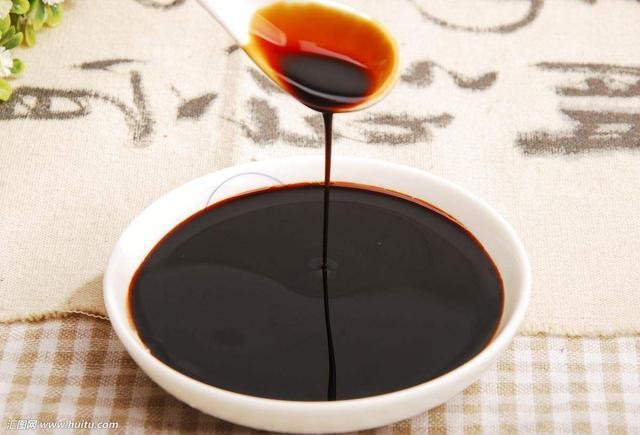
In practical terms, kabayaki sauce is a Japanese eel glaze. Its flavor typically comes from a balance of soy-based savoriness and sweetness. Depending on the recipe or commercial formulation, it may also contain Japanese cooking ingredients such as mirin or sake. The exact balance varies by producer, so buyers should review the product specification, ingredient statement, allergen information, and intended application before ordering.
Texture matters as much as flavor. A suitable glaze should coat food evenly without disappearing immediately. It should look glossy rather than dull and remain pleasant after reheating, especially in foodservice settings where dishes are often assembled from prepared components.
For Eelpro Co., LTD, the sauce sits naturally alongside frozen unagi kabayaki. Buyers evaluating the category can also review the company’s eel sauce products when comparing sauce formats for restaurant or distribution needs.
Kabayaki Sauce Flavor Profile
The kabayaki sauce flavor profile is recognizable, yet it is far from one-dimensional. It generally combines four key qualities:
- Sweetness: This softens the natural richness of eel and helps create the familiar lacquered finish.
- Savory depth: Soy-based flavor gives the sauce a satisfying umami character.
- Roasted notes: Grilling and repeated brushing can create a warm, lightly caramelized aroma.
- Glossy richness: The sauce adds body to the dish and makes plain or dry ingredients taste more complete.
What does kabayaki sauce taste like? Think of sweet soy sauce with a grilled edge. It is usually fuller and more focused than a simple soy dipping sauce. Rather than being sharp or highly acidic, it is designed to give foods a rounded, savory finish.
The sauce can taste quite different depending on the ingredients it accompanies. With eel, it complements an already rich, oily fish. With rice, it becomes the main source of seasoning. With cucumber or pickled vegetables, its sweetness is offset by freshness and acidity. With tofu, mushrooms, or egg, it adds a dark savory note that might otherwise be missing.
That is why tasting the sauce on its own is only the first step. Professional buyers should also test it with the foods that will appear on the menu. A sauce that seems balanced from a spoon may feel too sweet on an already seasoned protein. Another may work well with rice but seem too thin when brushed over grilled seafood.
How Kabayaki Sauce Differs from Teriyaki Sauce
How does kabayaki sauce differ from teriyaki sauce? The two are related because both can be sweet, savory, and glossy. Their main difference is culinary focus.
| Point of comparison | Kabayaki sauce | Teriyaki sauce |
|---|---|---|
| Traditional association | Grilled eel and unagi dishes | A wider range of grilled or pan-cooked foods |
| Typical role | Finishing glaze, brushing sauce, or rice-bowl sauce | Marinade, cooking sauce, glaze, or dipping sauce |
| Flavor direction | Often sweet-savory with a rich roasted eel pairing | Sweet-savory, with the exact balance depending on the recipe |
| Menu identity | Signals Japanese eel or unagi-style presentation | Works across many Japanese-inspired menu formats |
These categories can overlap. One restaurant may use a teriyaki-style sauce on eel, while another may use kabayaki sauce on chicken, tofu, or vegetables. The name helps communicate the intended style, but the ingredient list and tasting results should guide the final choice.
For buyers, the practical distinction is application. If a menu centers on unagi don, sushi, or grilled eel, kabayaki sauce gives the dish a clear identity. If the menu needs one sauce for several proteins, a teriyaki product may be considered alongside it. Sampling both on the same food is often more useful than comparing labels alone.
Kabayaki Sauce Uses in Restaurants and Foodservice
How is kabayaki sauce used in foodservice? Most kitchens use it in one or more of four ways: as a brush-on glaze, a finishing drizzle, a rice seasoning, or a side sauce. The best method depends on the food format and the desired visual finish.
1. Glazing grilled eel
This is the classic application. The sauce is brushed over cooked or nearly finished eel so the surface becomes glossy and aromatic. A kitchen may apply it during the final stage of grilling, then add a small amount during plating. The goal is a clear glaze, not a thick coating that hides the fish.
Frozen unagi kabayaki can help simplify foodservice workflows by providing a prepared eel format. Buyers can compare unagi kabayaki supply options according to their menu, packaging, and distribution requirements.
2. Building an unagi rice bowl
Rice is a natural partner because it absorbs flavor without competing with the eel. A small amount of sauce over the rice can tie each bite together. The eel then receives its own glaze, creating two levels of seasoning: sauce-infused rice below and glossy fish above.
Common additions include shredded nori, sesame, scallions, pickles, or a light garnish. Keep the supporting ingredients restrained so the sauce remains easy to identify.
3. Finishing sushi and rolls
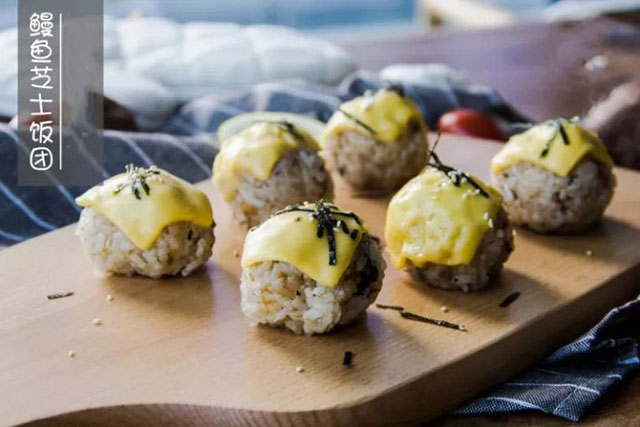
Kabayaki sauce can be drizzled over eel sushi, unakyu-style rolls, or other Japanese-inspired preparations. It pairs well with ingredients that add coolness or crunch, such as cucumber. A narrow line of sauce is usually more effective than a heavy pour because sushi already contains several textures and flavors.
For menu development, this eel sushi roll recipe offers a useful starting point for considering eel, rice, cucumber, and sauce as one composed bite.
4. Pairing with other foods
The broader kabayaki sauce uses are where the product becomes especially versatile for international menus. Try it with:
- Grilled salmon, shrimp, scallops, or other seafood.
- Roasted mushrooms and eggplant.
- Pan-seared tofu or tempeh.
- Rice, noodles, and grain bowls.
- Steamed or grilled vegetables.
- Egg dishes, including omelets and soft scrambled eggs.
These pairings work because the sauce adds both seasoning and visual appeal. Still, not every ingredient needs a generous amount. Delicate seafood can be overwhelmed, while fresh vegetables may need only a light brush. Rice and noodles can accept more because their flavor is mild.
Pairing Ideas Beyond Eel
A useful way to plan pairings is to look for contrast. Kabayaki sauce is sweet and savory, so it benefits from ingredients that are fresh, bitter, spicy, acidic, or crisp.
Seafood pairings
Salmon and shrimp can handle the sauce’s sweetness, especially when grilled or roasted. A squeeze of citrus, sliced scallion, or a sharp pickle can keep the plate from feeling heavy. For white fish, use a lighter application and allow the seafood to remain the main flavor.
Vegetable pairings
Eggplant is a natural match because its soft texture carries a glossy sauce well. Mushrooms provide an earthy counterpoint. Broccoli, asparagus, and cabbage can also work when grilled or roasted first. That light browning creates a bridge between the vegetables and the sauce.
Rice and noodle pairings
Use the sauce as a seasoning layer rather than treating it like soup. Add it to a rice bowl, drizzle it over noodles, or combine it with grilled seafood and vegetables. For another menu direction, explore this unagi ramen guide for ideas on combining eel with noodles and broth.
Balanced garnish pairings
Fresh scallions, toasted sesame, nori, ginger, cucumber, and pickled vegetables can all help balance a sweet soy glaze. Chili can add heat, but it should support the sauce rather than dominate it. A little acidity is often useful when the main ingredient is rich.
Foodservice Buying and Handling Considerations
Restaurants and distributors should assess kabayaki sauce as a menu ingredient, not simply as a bottle on a shelf. Start with the intended use. Will the sauce be brushed on during grilling, drizzled during plating, packed for takeaway, or used in a central kitchen? Each application may call for a different texture and pack format.
Next, review the ingredient and allergen information. Soy-based sauces commonly require careful allergen communication, and international buyers may need documentation that meets destination-market requirements. Confirm labeling requirements, case configuration, storage instructions, and shipping conditions with the supplier before purchase.
Then run a kitchen trial. Test the sauce with the actual eel format, rice, and garnishes used in service. Check its appearance after reheating and its performance during brushing. Ask practical questions:
- Does the sauce spread evenly?
- Does it stay glossy after cooking?
- Is the sweetness suitable for the menu?
- Does it overpower the seafood?
- Can staff use it consistently during busy service?
- Does the pack size suit the restaurant or distribution channel?
There is no universal “best” kabayaki sauce. The right choice depends on the dish, customer expectations, preparation method, and purchasing plan. A sushi restaurant may prioritize a clean finishing flavor. A food manufacturer may focus on repeatable application. A distributor may need a product that suits several customer segments.
A Key Point and Common Mistakes
A key point: kabayaki sauce is more than a topping. In a well-composed eel dish, it connects the smoky surface of the fish, the neutral base of rice, and the fresh or crisp garnishes on the plate.
Avoid this mistake: adding more sauce to solve a bland dish. If the eel is under-seasoned, the rice is plain, and the garnish offers no contrast, extra glaze may make the meal too sweet rather than more flavorful. Taste the protein, rice, and sauce together first, then adjust the amount.
Another common mistake is assuming that a dark color indicates high quality. Color alone does not show whether a sauce is balanced. Evaluate its aroma, sweetness, saltiness, texture, and performance on the intended food.
Frequently Asked Questions
What is kabayaki sauce made for?
It is made to season and glaze grilled eel, especially unagi. It can also be used with rice bowls, sushi, noodles, seafood, vegetables, tofu, and other dishes that benefit from a sweet-savory finish.
What does kabayaki sauce taste like?
It typically tastes like a glossy sweet soy sauce with savory depth and a roasted character. The exact flavor depends on the recipe and supplier. Some versions may be sweeter, saltier, thicker, or more intensely grilled than others.
How is kabayaki sauce used in foodservice?
Foodservice kitchens use it as a brush-on glaze for eel, a drizzle for rice bowls and sushi, a finishing sauce for seafood, and a seasoning for vegetables or noodles. Kitchens should test it on the actual menu items to confirm flavor, texture, and appearance after preparation.
How does kabayaki sauce differ from teriyaki sauce?
Kabayaki sauce is strongly associated with grilled eel and unagi-style dishes. Teriyaki sauce has wider applications across grilled or pan-cooked foods. Both can be sweet and savory, so compare the ingredient statement, flavor balance, and intended use before making a selection.
Explore Eel and Sauce Options with Eelpro
Kabayaki sauce gives food a distinctive Japanese-style finish, but the best result comes from matching the sauce to the right product and serving format. Eelpro Co., LTD supplies frozen unagi kabayaki, eel sauce, frozen seafood, and freshwater eels for overseas buyers evaluating restaurant, retail, and distribution opportunities.
To continue menu research, browse the company’s frozen seafood range or explore practical kabayaki sauce tips. Consider starting with classic eel and rice, grilled seafood, mushrooms, or a sushi roll, then evaluate which pairing best fits your menu.