

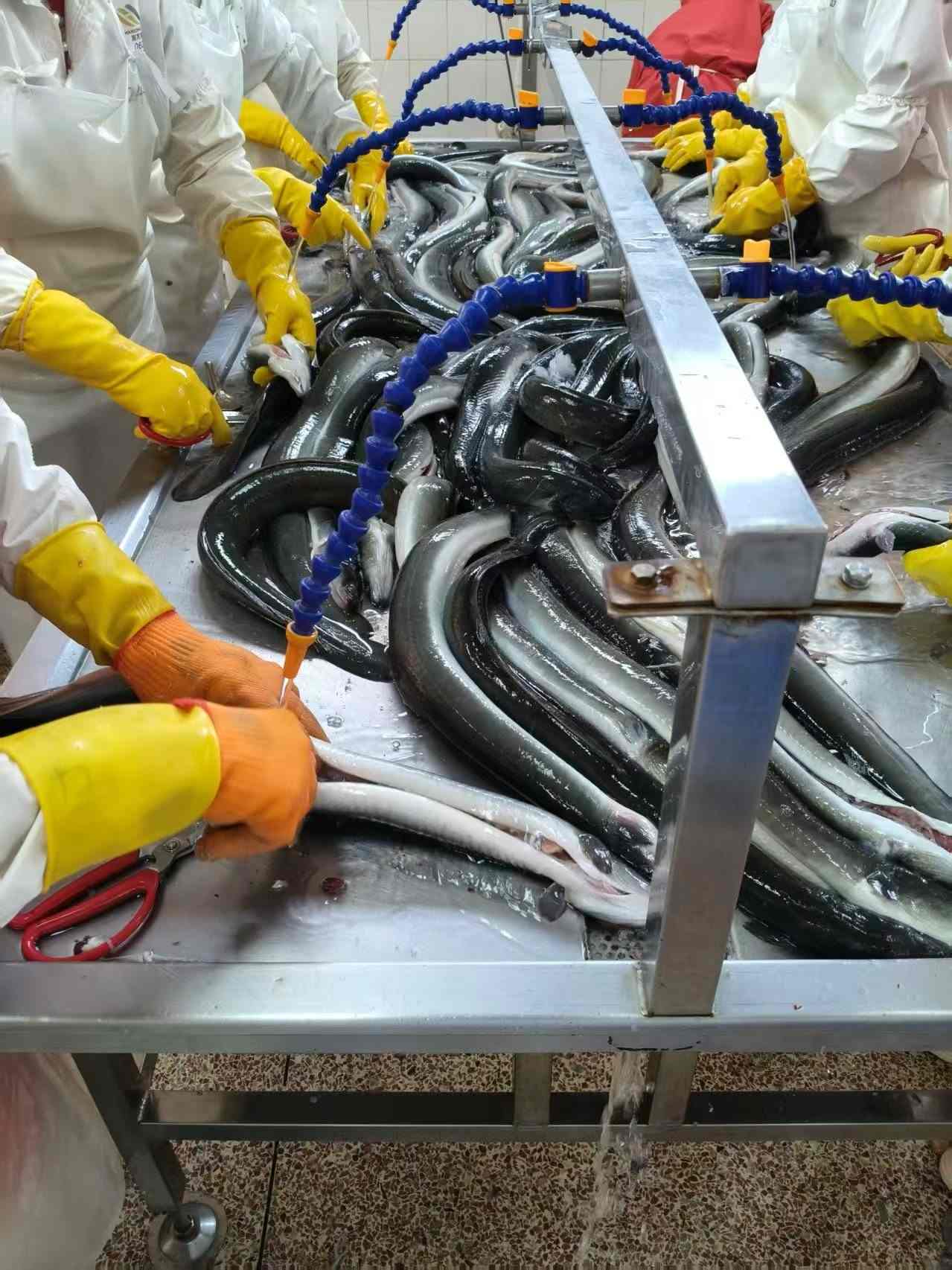
Japanese Unagi vs Anago: Key Differences Explained
Japanese unagi and anago may look similar on a menu, but they are not the same type of eel. Unagi is associated with freshwater eel and a rich, fatty bite, while anago refers to marine conger eel with a lighter character. For importers, distributors, and restaurant buyers, selecting the wrong product can affect flavor, menu descriptions, portion expectations, and customer satisfaction.
What Does “Unagi Japanese” Mean?
Unagi Japanese generally refers to freshwater eel used in Japanese cuisine, especially eel from the Anguillidae family. In commercial seafood, the word “unagi” usually points to freshwater eel products prepared for grilling, rice bowls, sushi, and other dishes.
Japanese cuisine often serves unagi as kabayaki. The eel is cleaned, filleted, grilled, coated with a sweet-savory sauce, and grilled again. The result is glossy, tender, and full-flavored. A well-prepared piece can carry a dish with very little additional garnish.
For buyers, the word “Japanese” requires careful reading. It may describe the cuisine, product style, species, or market positioning. It does not automatically prove that the eel was farmed or processed in Japan. Always review the product specification, species name, origin statement, processing location, and packaging details with your supplier.
Eelpro Co., LTD supplies frozen unagi kabayaki, freshwater eels, eel sauce, and other frozen seafood products for overseas buyers. Product selection should begin with the exact eel species and finished format, not only the front-of-pack name.
Unagi vs Anago: Habitat and Species
The clearest difference in unagi vs anago is habitat.
| Point of comparison | Unagi | Anago |
|---|---|---|
| Common English description | Freshwater eel | Conger eel or sea eel |
| Typical habitat | Freshwater environments during the growing stage | Marine environments |
| Japanese food name | Unagi | Anago |
| Common menu image | Rich grilled eel over rice | Lighter sushi, tempura, simmered, or grilled preparations |
Unagi is commonly associated with Japanese freshwater eel, while anago refers to sea eel in the conger eel group. They are different animals with different natural environments and eating qualities.
This distinction matters during purchasing. A buyer searching for “eel fillet” may receive offers for several species. A buyer searching for “unagi kabayaki” usually needs a freshwater eel product prepared in the familiar kabayaki style. Anago may suit a different menu position, but it should not be treated as a direct substitute without testing.
Flavor and Texture: What Diners Notice
Unagi is often known for a fuller flavor. Its flesh is commonly described as rich, soft, and oily, with a satisfying mouthfeel after grilling. The sauce contributes sweetness, saltiness, and roasted notes, making unagi a strong choice for dishes where eel is the main feature.
Anago is often lighter and more delicate. Its flavor may be less fatty, with a softer profile that works well with sushi rice, light sauces, broth, and tempura-style preparations. Because it is a marine eel, its flavor may also suit menus built around other seafood.
Texture depends on more than species. Processing, fillet thickness, cooking method, glazing, freezing, thawing, and reheating can all affect the final bite. This is one reason sample testing matters before placing a large order.
How the Two Products Feel on the Plate
- Unagi: tender, rich, moist, and sauce-friendly.
- Anago: lighter, softer, and better suited to subtle seasoning.
- Unagi kabayaki: usually built around grilling and repeated sauce application.
- Anago preparations: may include sushi toppings, simmered dishes, tempura, or lighter grilled servings.
A restaurant serving donburi may prefer unagi because it can stand up to steamed rice and a strong tare. A sushi bar may choose anago when it wants a more restrained seafood topping. Neither is universally better; the right choice depends on the dish, target customer, and selling price.
Preparation Differences in Japanese Cuisine
Unagi is strongly linked to kabayaki. The eel is filleted, grilled, coated with sauce, and grilled again. This method can create caramelized edges and a deep roasted aroma. For foodservice, frozen prepared kabayaki can simplify service because much of the cooking work is completed before the product reaches the restaurant.
Our eel sauce product can be considered when a buyer wants to serve eel with a matching sweet-savory glaze. Test sauce selection with the restaurant’s rice, garnish, and heating method. A glaze that tastes balanced on its own may taste stronger after reheating or when used with seasoned rice.
Anago is also prepared in several ways, but its lighter character often calls for gentler seasoning. It may be simmered, grilled, fried as tempura, or served over sushi rice. Heavy sauce can mask its softer flavor, so portion size and seasoning should be tested for the final menu.
For chefs comparing the two products, prepare both using the intended service method. Do not compare raw samples with finished kabayaki. Test the products after thawing, heating, saucing, and plating. That is when the practical differences become clear.
Unagi Product Differences Buyers Should Check
Species is only the first purchasing question. Finished products can vary widely. Before requesting a quotation, define the following points:
- Species and commercial name: Confirm whether the product is freshwater unagi or marine anago.
- Format: Ask whether the item is whole, dressed, filleted, boneless, sliced, or prepared as kabayaki.
- Cooking status: Confirm whether it is raw, grilled, sauced, or ready for reheating.
- Packaging: Review the unit format, inner packaging, outer carton, and labeling information.
- Origin details: Check farming or harvest origin and processing location as separate items.
- Foodservice use: Match the product to sushi, donburi, bento, retail, or wholesale distribution.
- Sample performance: Heat and taste a sample using the same equipment used in the restaurant or central kitchen.
Do not rely on appearance alone. A long, dark eel fillet may look like unagi, but visual inspection cannot confirm species. Terms such as “Japanese style,” “grilled eel,” or “sea eel” should be reviewed alongside the species declaration and product specification.
Our frozen eel supplier page provides a starting point for buyers reviewing unagi product formats. For technical or product-specific questions, request the current specification directly from the exporter.
How Can Buyers Identify Unagi and Anago Products?
The safest approach combines documents, packaging, and a controlled sample test.
Start with the Label
Look for the commercial name and scientific species information where available. “Unagi” should be checked against a freshwater eel description. “Anago” should be checked against a conger eel or sea eel description. If the label only says “eel,” ask for clarification before approving the product.
Review the Product Form
Kabayaki-style unagi is often presented as a grilled, glazed fillet. Anago may be offered in forms designed for sushi, simmering, or frying. This is not an absolute identification method, but it can indicate whether the item fits the intended culinary application.
Run a Kitchen Test
Ask the supplier for a sample. Record the product’s appearance before heating, after heating, and after sauce application. Check tenderness, moisture, bones, skin, aroma, and how well the piece holds together during service.
Buyer tip: Keep the sample test simple and repeatable. Use the restaurant’s actual rice, sauce, heating equipment, and plating style. A product that performs well in a supplier demonstration may behave differently in a busy kitchen.
Which Is Better for Japanese Restaurant Menus?
The answer depends on the menu role.
| Menu requirement | Usually suitable choice | Reason to evaluate |
|---|---|---|
| Signature eel rice bowl | Unagi | Rich flavor and strong compatibility with kabayaki sauce |
| Premium grilled eel item | Unagi | Recognizable presentation and satisfying texture |
| Light sushi topping | Anago | Delicate flavor can work with subtle seasoning |
| Tempura or mixed seafood menu | Anago may fit | Lighter marine-eel profile and crisp preparation |
| Fast-service frozen eel menu | Prepared unagi kabayaki | Simple reheating and sauce-ready service format |
For a Japanese restaurant known for unadon, unagi sushi, or grilled eel bento, unagi is usually the more direct menu match. For a sushi menu that already features delicate seafood, anago may offer a different flavor and price position.
Buyers should also consider customer expectations. If the menu says “unagi,” serving anago without clear wording can create confusion. If the menu says “anago,” customers may expect a lighter sea-eel style. Clear naming helps protect both the dish and the restaurant’s reputation.
Cold Knowledge: Why Names Cause So Much Confusion
Cold knowledge: “Eel” is a broad English trade term that can refer to different species from different habitats. The Japanese words unagi and anago are not interchangeable translations for the same seafood.
That language difference can affect purchasing, customs paperwork, menu translation, and customer communication. A distributor may sell several eel products under one broad category, while a chef expects one specific species and preparation. Ask for the full product name before comparing quotations.
A Practical Sourcing Checklist
Use this checklist when comparing unagi and anago offers:
- Is the product freshwater unagi or marine anago?
- Is the product raw, cooked, grilled, or sauced?
- Does the cut match the planned dish?
- Can the supplier provide a product specification and label sample?
- Has the product been tested after the buyer’s own thawing and heating process?
- Does the flavor match the restaurant’s sauce and rice?
- Can the supplier support repeat orders for the same product format?
For menu development, buyers can also explore kabayaki sauce ideas or review unagi ramen recipes for additional applications.
Final Takeaway for Importers and Restaurant Buyers
Unagi is freshwater eel and is commonly associated with richer, grilled kabayaki, rice bowls, and hearty eel dishes. Anago is sea eel and is often considered lighter, making it suitable for sushi, simmered dishes, and tempura-style menus.
The best purchasing decision comes from matching species, format, preparation, and menu purpose. Check the label, review the specification, and test the sample in the real kitchen. Do not treat a broad term like “eel” as sufficient product information.
Eelpro Co., LTD supports overseas buyers looking for frozen unagi kabayaki, freshwater eels, eel sauce, and frozen seafood. Visit our eel product lab page to learn more about our product-focused approach, or contact the team when you need to compare a specific unagi or anago format.
Which do you prefer on a Japanese menu: rich grilled unagi or delicate anago? Share your choice and the dish you serve in the comments.