

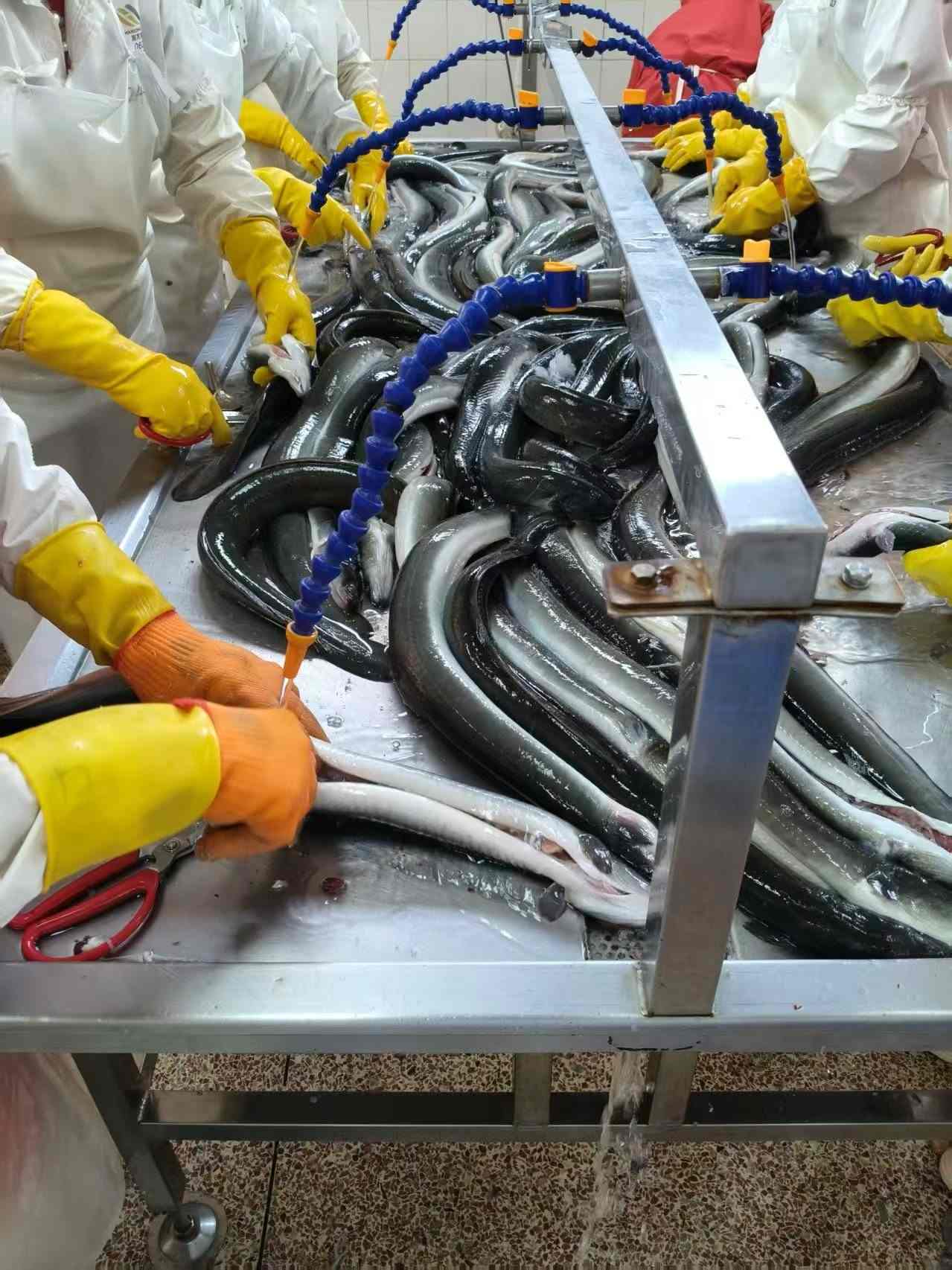
How Unagi vs Anago Changes What You Taste on a Sushi Menu
One looks dark, glossy, and richly grilled. The other is pale, soft, and lightly sweet. On a sushi menu, the unagi vs anago choice can change the whole bite before the plate even reaches your table.
Both are called eel in English, but they are not interchangeable. Unagi generally refers to the Japanese eel, a freshwater eel commonly served grilled with a sweet-savory glaze. Anago refers to a conger eel, a saltwater eel that sushi chefs often simmer until tender and finish with a lighter sauce.
The unagi vs anago distinction matters for diners, home cooks, sushi menu writers, and foodservice buyers. Order the wrong one, and you may expect a rich grilled eel experience but receive a delicate, fluffy piece of simmered conger instead. Neither is “better” in every setting. Each fits a different appetite, preparation style, and menu role.

What Unagi vs Anago Actually Means Before You Order
The first unagi vs anago difference is biological and culinary. Unagi is freshwater eel, while anago is saltwater conger eel. That origin affects fat level, flesh structure, cooking method, and how strongly sauce shapes the final flavor.
Unagi is often associated with kabayaki: eel that is split, grilled, coated with tare, and grilled again. The result is usually caramelized, smoky, savory, and full-bodied. The sauce is not a minor detail. It is part of the dish’s identity. A good kabayaki sauce balances soy sauce, sweetness, and roasted eel flavor without masking the fish.
Anago is more often simmered, steamed, or gently cooked until the flesh becomes soft. It may be served as nigiri with a light brush of sauce and a small topping such as salt, citrus zest, or sweet sauce. The fish itself is usually allowed to stay in the foreground.
For a diner, the unagi vs anago choice comes down to appetite. Choose unagi when you want a richer, grilled, sauce-forward bite. Choose anago when you want a lighter, softer sushi topping with a mild ocean flavor. This rule does not apply if a restaurant uses an unusual preparation, so always check the menu description or ask the chef how the eel is cooked.
Comparison Table for Habitat, Species, Fat, Flavor, Texture, and Sushi Use
This unagi vs anago table gives menu readers a practical way to separate the two. The key is not simply memorizing names. Each difference predicts what will happen on the plate.
| Parameter | Unagi | Anago | What It Affects in Practice |
|---|---|---|---|
| Habitat | Freshwater eel, though its life cycle includes ocean migration | Saltwater conger eel | Habitat is linked to the fish’s character, fat level, and traditional Japanese preparation style. |
| Species | Usually Japanese eel, Anguilla japonica, in Japanese cuisine | Often conger eel, commonly Conger myriaster, in Japanese sushi contexts | Species names matter for accurate menu writing, product labeling, and buyer discussions. |
| Fat content | Generally higher and richer | Generally leaner | Higher fat gives unagi a fuller mouthfeel and supports high-heat grilling. Leaner anago benefits from gentle cooking to avoid dryness. |
| Flavor | Deep, rich, savory, and often smoky because of kabayaki grilling and tare | Mild, subtly sweet, and more delicate | Choose unagi for a bold rice bowl or sauce-led sushi bite. Choose anago when the menu needs a quieter, cleaner seafood note. |
| Texture | Tender but substantial, often slightly chewy at the edges after grilling | Soft, fluffy, and delicate when properly simmered | A guest expecting crisp grilled edges may be disappointed by anago. A guest wanting a light nigiri may find unagi too rich. |
| Typical sushi preparations | Kabayaki nigiri, unagi maki, unadon, and grilled eel rice dishes | Anago nigiri, simmered anago, and lightly sauced sushi | Preparation is often the fastest menu clue. “Grilled” or “kabayaki” usually points toward unagi; “simmered” often points toward anago. |
For menu writers, the safest conclusion is simple: do not use “eel sushi” as the only description if the restaurant wants guests to understand what they are ordering. State whether it is grilled freshwater eel or simmered conger eel. The limitation is that local naming can vary, especially on English-language menus, so staff training should match the actual product used.
Why Unagi vs Anago Changes the Best Cooking Method
Cooking is where the unagi vs anago difference becomes visible. Unagi has enough richness to stand up to repeated grilling and sauce coating. Anago is more fragile and is usually treated more gently to preserve its soft texture.
For unagi, kabayaki preparation builds layers of flavor. Eelpro uses a roasting process with four soy-sauce coating layers and controlled roasting steps for frozen unagi kabayaki. This type of preparation suits rice bowls, sushi rolls, and nigiri where the eel must remain recognizable beneath sauce and heat. Our unagi kabayaki product is designed for buyers seeking prepared grilled eel rather than raw eel requiring extensive back-of-house work.
For anago, gentle simmering is usually the better fit because it supports the species’ fine, tender flesh. Heavy grilling or an overly thick glaze can overpower its mild flavor. That does not mean anago should never be grilled; it means the cook should not expect it to deliver the same dense, caramelized result as kabayaki unagi.
- Choose grilled unagi for rice bowls, glazed nigiri, sushi rolls, and dishes that need a strong savory center.
- Choose simmered anago for traditional nigiri, tasting menus, or lighter courses where texture is the main attraction.
- Use sauce with restraint on anago because a heavy glaze can hide its natural sweetness.
- Use tare confidently on unagi because the sauce, grilled surface, and fatty flesh are intended to work together.
A practical limit applies here: sauce cannot repair poor fish texture. If unagi is dry, adding more glaze only makes it sweeter. If anago is overcooked, extra sauce will not restore its soft structure. Start with a suitable eel type and preparation method first.

How Diners Can Read a Sushi Menu Without Guessing
When comparing unagi vs anago on a menu, look beyond the word “eel.” The preparation description is usually more useful than the price line or menu photo.
- Look for “kabayaki,” “grilled,” or “glazed.” These terms usually signal unagi-style preparation.
- Look for “simmered” or “soft conger eel.” These descriptions usually indicate anago.
- Check the sauce description. A dark, sweet-savory glaze suggests unagi. A light finishing brush may suggest anago.
- Match the eel to the dish. Unagi works naturally in rice bowls and rolls; anago is often chosen for nigiri.
- Ask one direct question. “Is this grilled freshwater eel or simmered conger eel?” A well-run sushi restaurant should answer clearly.
The unagi vs anago decision is especially useful for first-time diners. If you enjoy barbecue, roasted flavors, and rich textures, start with unagi nigiri or an eel rice bowl. If you enjoy tender white fish, subtle sweetness, and less sauce, start with anago nigiri. This recommendation does not apply to diners avoiding sweet sauces, because many unagi preparations use tare.
For a home sushi night, pairing matters too. Use unagi with cucumber, avocado, sesame, and warm rice because these ingredients can support its stronger flavor. Anago is better paired with lightly seasoned rice and simple garnishes. For ideas using grilled eel in rolls, see this eel sushi roll recipe.
Common Unagi vs Anago Mistakes That Lead to Disappointment
The most common unagi vs anago mistake is assuming every eel sushi piece will taste rich and smoky. That expectation is correct for many kabayaki unagi dishes, but not for traditional anago nigiri.
- Mistake: Ordering anago when you want grilled eel.
Fix: Choose menu items labeled kabayaki, grilled eel, or unagi. - Mistake: Calling anago “freshwater eel.”
Fix: Use “conger eel” or “saltwater eel” in menu copy. - Mistake: Treating sauce as the only difference.
Fix: Consider habitat, species, fat, texture, and cooking method together. - Mistake: Using the same description for both products.
Fix: Describe unagi as rich and grilled; describe anago as soft and delicate when those preparations are accurate. - Mistake: Expecting all frozen eel products to be ready for the same use.
Fix: Confirm whether the product is cooked kabayaki, white-roasted eel, cut pieces, or another format before planning the menu.
Here is a useful cold fact for sushi fans: the dark color on unagi is often more about grilling and tare than the eel’s natural flesh color. Do not judge quality only by how dark the surface looks. A very dark glaze may indicate a sauce-heavy finish, while a lighter appearance may simply reflect a different roasting style.
What Sushi Buyers and Menu Writers Should Specify to Suppliers
For foodservice purchasing, unagi vs anago is not just a culinary wording issue. It affects supplier selection, portion format, prep labor, and final menu consistency. A buyer sourcing grilled eel should specify unagi kabayaki rather than making a broad request for “eel sushi topping.”
| Buyer Question | Why It Matters | Best Fit |
|---|---|---|
| Do we need a grilled, sauce-coated product? | This determines whether the kitchen needs a finished kabayaki item or a product requiring further cooking. | Frozen unagi kabayaki |
| Do we need standardized pieces for sushi or rice bowls? | Consistent cuts reduce portioning work and help menu presentation remain uniform. | Specified cuts such as sushi slices, strips, chunks, or three-section cuts |
| Will the dish use a sweet-savory glaze? | Sauce must match the eel and the intended menu style. | Unagi with dedicated tare |
| Is traceability required for export or chain procurement? | Documented supply control supports purchasing review and import compliance checks. | Supplier with registered farming bases and process traceability |
Eelpro supports buyers with frozen unagi kabayaki, custom cutting formats, and eel sauce products for foodservice applications. We operate two production lines with annual finished-goods capacity of 4,000 tons, supported by a 1,000-ton cold storage facility. Our facility holds ISO 22000:2018, HACCP, HALAL, export food producer registration, and an SC food production license.
For buyers serving Japan, the United States, Germany, Poland, Australia, Indonesia, and Southeast Asian foodservice channels, the right request is specific: identify the eel type, cooking style, cut, packaging format, sauce requirement, and destination market. Eelpro has supplied kabayaki eel to Japanese restaurant chains and exported unagi kabayaki and eel sauce to United States food importers. These cases show relevant supply experience, not a universal guarantee for every order or market.
The unagi vs anago question has a simple answer at the sushi counter: unagi is the richer grilled freshwater eel choice, while anago is the lighter, softer conger eel choice. Pick based on the eating experience you want, not just the word “eel.”
For frozen unagi kabayaki specifications, cut options, or sauce pairing advice, contact Eelpro to request product details or a sample discussion.