

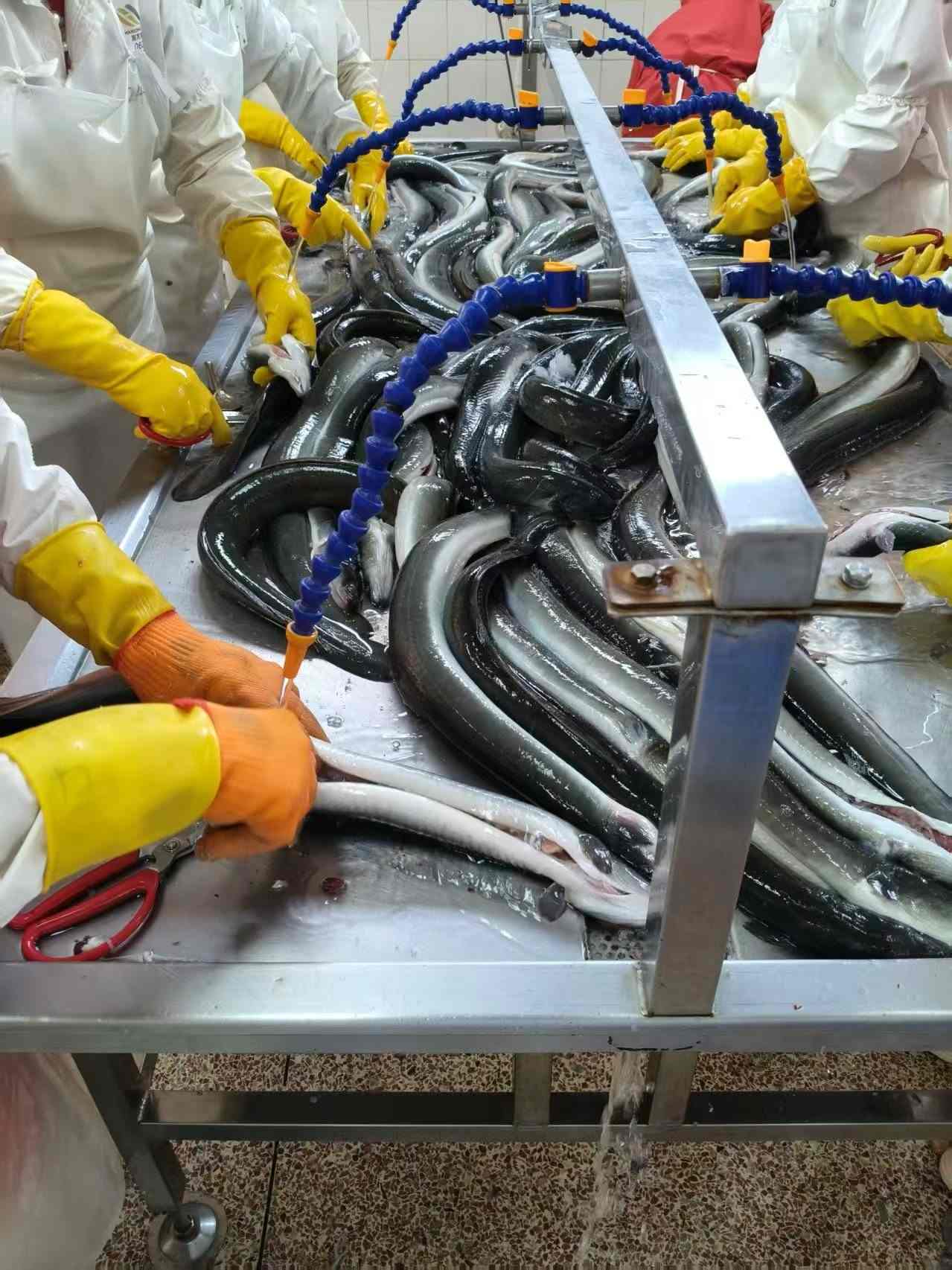
Understanding Nutrition Eel Data Why Calorie Counts Vary Between Fillets
As a food safety and quality specialist, I often field questions from importers and foodservice buyers about discrepancies in nutritional data. You might see one source list roasted eel at 240 calories per 100g, while another claims 300 calories. This inconsistency isn't just a trivial detail; it impacts menu labeling, dietary planning for catering clients, and your ability to accurately compare products from different suppliers. The core issue is that a generic label for "eel" fails to account for critical processing and specification variables. Understanding the factors that influence the final nutrition eel profile is essential for making informed purchasing decisions.
The calorie count on a spec sheet isn't arbitrary. It's the direct result of raw material quality, processing methods, and product form. A supplier who can explain and control these variables offers a more consistent and reliable product. This article will break down exactly why these numbers vary and what you, as a professional buyer, need to specify to ensure you receive a product with a predictable and consistent nutritional value.
How Fillet Specs Change Calorie Estimates on Nutrition Labels
A nutritional panel for a value-added product like frozen roasted eel is a snapshot of its final, ready-to-heat state. Unlike a simple raw commodity, several factors dramatically alter the final calorie, fat, and protein content. Relying on generic database information can lead to significant errors in your own calculations. Here are the four main elements that cause variations.
Below is a breakdown of how each specification influences the final numbers:
- Fillet Weight & Fat Distribution: An eel's fat content isn't uniform. Larger, more mature eels tend to have a higher fat percentage. Therefore, a 100g serving from a large fillet may have a different fat-to-protein ratio and thus a different calorie count than a 100g serving composed of smaller tail-end pieces. Sourcing from a supplier with standardized size grading from their customs-registered eel farming bases ensures a more consistent raw material from the start.
- Edible Yield (Skin-on vs. Skinless): Eel skin is rich in collagen and fat. A skin-on fillet, which is standard for authentic kabayaki, will naturally have a higher calorie density than a skinless fillet. The skin also helps retain moisture and fat during the roasting process, contributing to both the final texture and nutritional profile.
- Cooking State (Raw vs. Kabayaki): The transformation from raw eel to finished kabayaki involves multiple steps that concentrate nutrients. First, steaming and roasting reduce the water content. As water is lost, the remaining protein and fat become more concentrated by weight. Second, the application of sauce adds a new caloric dimension.
- Sauce Application & Brix Level: The classic sweet and savory kabayaki sauce, or tare, is made primarily from soy sauce, mirin, and sugar. The amount of sauce that adheres to the fillet and its sugar concentration (measured in Brix) directly adds carbohydrates and calories. Our proprietary 4-layer roasting and saucing process ensures a precise, consistent glaze on every fillet, but this differs greatly from suppliers who use a single-dip method.
To illustrate the impact of processing, consider this simplified comparison:
| Attribute | Raw Eel Fillet (100g) | Finished Kabayaki Eel (100g) |
|---|---|---|
| Water Content | High (~70-75%) | Lower (~60-65%) |
| Nutrient Density | Baseline | Concentrated due to water loss |
| Added Sugars | None | Present from kabayaki sauce |
| Calorie Estimate | Lower | Higher due to concentration and added sauce |
A Buyer's Checklist for Specifying Eel for Consistent Nutrition
To avoid supply chain surprises and ensure the product you source matches your menu and labeling needs, your request for quotation (RFQ) must be specific. Ambiguity leads to inconsistency. Use this checklist to define your requirements clearly and evaluate potential suppliers.
- Specify the Exact Product Form: Clearly distinguish between shirayaki (white-roasted, no sauce) and kabayaki (roasted with sauce). The calorie difference is substantial. If ordering kabayaki, ask about the sauce. At Eelpro, our eel sauce product page details the base ingredients, but for bulk orders, we can discuss Brix levels to meet specific market tastes and dietary targets.
- Define a Tight Weight and Size Range: Instead of asking for "eel fillets," request "7oz (200g) unagi kabayaki fillets" or "5g unagi sushi slices." Standardizing the portion size is the first step to standardizing the nutritional information per serving.
- Inquire About the Roasting Process: Ask potential suppliers about their production methods. Do they have technologies to manage fat content? Our patented low-fat roasting and deodorizing equipment is designed to render excess fat during cooking, resulting in a cleaner flavor and a more consistent final product. This is a key differentiator from standard roasting lines.
- Confirm Cutting and Deboning Standards: Ensure the product is fully deboned and ready for use. Any remaining bones affect the edible yield and customer experience. Our foodservice-ready products are boneless and cut to standardized specifications (shredded, diced, chunked, etc.), reducing back-of-house labor and ensuring portion control.
- Request a Detailed Product Specification Sheet: This is the most critical step. Do not rely on marketing materials or general website information. A formal spec sheet for the exact SKU you are ordering should provide a guaranteed nutritional analysis, ingredient list, allergen information, and microbiological standards. This document is your assurance of consistency.
Common Misinterpretations of Eel Nutrition Data in Foodservice
In my 12 years overseeing quality control for seafood exports, I have seen several recurring errors that cause problems for buyers. These often stem from using generalized data for a highly specific, value-added product. Here are some common mistakes to avoid when calculating the nutrition eel values for your business.
- Mistake 1: Using Generic Public Databases. Public resources like the USDA FoodData Central are invaluable for raw commodities but can be highly misleading for processed products. An entry for "Eel, cooked, dry heat" does not account for the sugars in kabayaki sauce or the fat reduction from specialized roasting techniques. Always use the supplier's specific data for the product you are buying.
- Mistake 2: Ignoring the Sauce Contribution. The glaze on a unagi kabayaki eel is not just for flavor; it's a significant source of calories from carbohydrates. A thick, heavy sauce can add 30-50 calories per 100g portion compared to a lightly glazed product. If calorie counts are a concern for your end customer, you need to know the sauce-to-meat ratio.
- Mistake 3: Overlooking Processing Yields. The nutritional information provided by a manufacturer is for the product as sold. If your kitchen staff reheats the eel in a way that causes significant moisture or fat loss (e.g., grilling until very crisp), the nutritional value of the final served portion will be more concentrated. Factor in your own kitchen's standard operating procedures when creating final menu labeling.
- Mistake 4: Assuming All "Eel" is the Same. The species of eel, its diet, and the environment it was raised in all affect the baseline fat and protein content. This is why our full-chain traceability, from our 19 certified farming bases to our ISO 22000:2018 certified facility, is so important. It ensures the raw material entering our production line is consistent, which is the foundation for a consistent finished product.
By being aware of these potential pitfalls, you can engage with suppliers more effectively and ensure the product you source aligns perfectly with your operational and labeling requirements. Our 160+ employees, including 25 dedicated quality-control specialists, are here to provide that level of transparency and assurance.
For a detailed product specification sheet on our frozen unagi kabayaki, including precise nutritional data tailored to your required cut and size, please contact our export team for a consultation.