



What Makes Japanese Eels a Premium Seafood Choice
For international seafood buyers, the term "unagi" is synonymous with a high-value, savory grilled dish. However, understanding the specific species behind the product is the first step in sourcing consistently high-quality supply. The true japanese eels, scientifically known as Anguilla japonica, possess a unique biology and lifecycle that directly influence the texture, fat content, and flavor of the final product. Misidentifying the species or sourcing from unverified suppliers can lead to inconsistent quality and potential import compliance issues.
As a food safety and quality specialist, I’ve seen firsthand how a deep understanding of the raw material—from its life in the wild to its cultivation in controlled environments—differentiates a reliable supplier from a risky one. It’s not just about the recipe; it’s about the animal itself. This article breaks down the essential biological and sourcing details that every importer, distributor, and foodservice professional should know before placing their next order for frozen eel products.
The Biology of Anguilla japonica: More Than Just a Name
The Japanese eel is a catadromous fish, a classification that is central to its unique characteristics. This means it spends the majority of its life growing in freshwater rivers, lakes, and estuaries across East Asia but migrates to the deep ocean to spawn. This complex lifecycle is a key reason for its prized culinary status and the need for specialized aquaculture.
The journey begins in the Pacific Ocean, near the Mariana Islands, where adult eels spawn. The larvae, called leptocephali, drift on ocean currents for months before reaching the coasts of countries like Japan, China, Taiwan, and Korea. As they approach freshwater, they metamorphose into transparent "glass eels." These are carefully harvested and raised in controlled aquaculture environments, growing from elvers into yellow eels—the primary growth stage—and finally maturing into silver eels. This farmed approach ensures a stable supply and allows for complete control over safety and quality, a stark contrast to wild-caught alternatives.
For buyers, the species matters immensely. The fat content, muscle structure, and skin thickness of Anguilla japonica are distinct from other eel species, impacting how it performs during cooking and its final taste profile.
To clarify the differences, here is a comparison of commercially significant eel species:
| Feature | Japanese Eel (Anguilla japonica) | European Eel (Anguilla anguilla) | American Eel (Anguilla rostrata) |
|---|---|---|---|
| Native Range | East Asia (Japan, China, Korea) | Europe, North Africa | Eastern North America |
| Typical Fat Content | Higher, rich and evenly distributed | Variable, can be lower | Generally leaner |
| Texture When Cooked | Soft, tender, and flaky with a delicate mouthfeel | Firmer, can be slightly chewier | Firm and meaty |
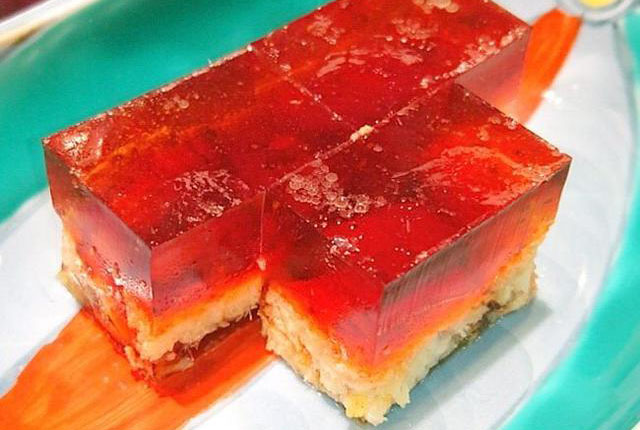
| Ideal Culinary Use | Kabayaki, sushi (unagi), donburi bowls | Smoking, stewing, jellied eels | Grilling, smoking |
| Market Perception | Considered the premium standard for unagi dishes | Traditional in European cuisine, but supply is restricted | Valued but less common in Asian cuisine |
Choosing Anguilla japonica ensures you are sourcing the species that has defined the authentic unagi experience for generations. Its higher fat content is what allows it to baste itself during the grilling process, creating the succulent texture that makes unagi kabayaki eel a global favorite.
From Farm to Freezer: Full-Chain Control for Export-Grade Eels
Sourcing high-quality raw material is only the beginning. For export markets with strict food safety regulations, a supplier's control over the entire production chain is non-negotiable. At Eelpro, we’ve built our operations around this principle of complete traceability.
It starts at the source. We manage a network of approximately 20 customs-registered eel farming bases, covering over 2,150 mu. These are not just any farms; they are certified facilities that adhere to strict protocols for water quality, feed, and animal welfare. This allows us to maintain full-chain control, from the initial farming registration and process verification to targeted sampling and final traceability tracking. Every batch of frozen eel can be traced back to its origin, providing an essential layer of security for our clients in Japan, the US, and the EU.
Our commitment to quality is supported by significant infrastructure. The entire process is overseen by a team of 25 technical and quality-control specialists. Our in-house professional eel lab conducts rigorous testing for veterinary drug residues and microbiological indicators, ensuring our products meet the stringent standards of our export destinations. Furthermore, metal detectors are placed at critical control points in our 8,497 m² production workshop to eliminate physical contaminants.
Buyer's Checklist for Vetting an Eel Supplier
When evaluating a potential partner for your frozen eel supply, use this checklist to assess their capabilities and commitment to quality. A reliable supplier should be able to answer "yes" to all these questions.
- Species Verification: Do they exclusively process Anguilla japonica for their premium unagi products?
- Traceability: Can they provide complete traceability records from their network of customs-registered unagi eel farms?
- Certifications: Do they hold internationally recognized food safety certifications? We are certified for ISO 22000:2018, HACCP, and HALAL, in addition to holding an Export Food Producer Registration Certificate.
- In-House Quality Control: Do they operate their own laboratory for microbiological and chemical testing?
- Production Capacity: Can their facility handle your volume requirements? Our two modern production lines have an annual capacity of 4,000 tons, supported by a 1,000-ton cold storage facility.
- Export Experience: Do they have a proven track record of exporting to markets with strict regulations, such as Japan, the United States, and the European Union?
Processing Excellence: How Roasting Defines the Final Product
Even the highest-quality raw eel can be compromised by subpar processing. The art of preparing unagi kabayaki lies in the roasting and saucing, a multi-stage process that requires precision and expertise. Our method is built on a foundation of traditional techniques enhanced by modern technology.
The core of our process is a meticulous four-layer soy sauce application. Each layer is applied at a specific, temperature-controlled step of the roasting process. This builds a deep, complex flavor and creates the signature glossy finish. We have even established internal standards for "white-roasted color" and the color for each of the four soy-sauce coatings, ensuring absolute consistency from one batch to the next. The flavor of the glaze is critical, which is why we produce our own proprietary eel sauce (unagi tare) to maintain control over every ingredient.

We’ve also invested in patented technologies to elevate the finished product. Our low-fat roasting process renders excess fat while keeping the meat moist and tender, and our specialized deodorizing equipment removes any potential "muddy" notes that can sometimes be present in freshwater fish. The result is a clean, rich flavor profile that appeals to discerning palates.
For our foodservice and wholesale clients, this precision extends to custom cutting specifications. We provide a range of options to reduce back-of-house labor and improve operational efficiency:
- Shredding and dicing for rice bowls and fillings
- Strip-cutting for appetizers and creative dishes
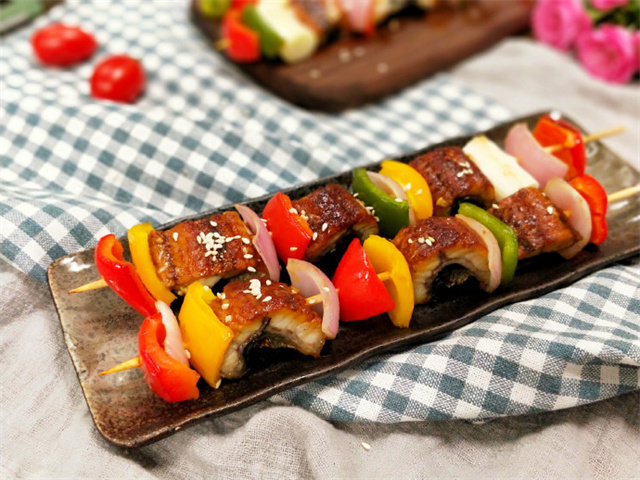
- Chunk-cutting for skewers and bento boxes
- Standard 3-section cuts
- Perfectly uniform sushi slices for restaurant chains
This level of customization, combined with boneless processing and ready-to-heat packaging, provides a standardized, high-quality product that helps our clients manage costs and deliver a consistent customer experience.
Meeting Global Standards for Japanese Eels
For any food importer, the number one priority is avoiding trade risks. A shipment delayed or rejected at customs due to non-compliance can be catastrophic. With over 12 years of experience in seafood export quality assurance, I have personally guided dozens of overseas clients through the complex import requirements of markets like Japan, the US, and the EU.
Our entire quality management system is designed for export compliance. All products are manufactured to meet the strict food inspection standards of major international markets, particularly concerning veterinary drug residues and microbiological indicators. This proactive approach is validated by our certifications, including ISO 22000:2018 Food Safety Management System and HACCP.
Our track record speaks for itself. We have established long-term supply relationships with Japanese restaurant chains, US food importers, and distributors across Germany and Poland. Our success in these demanding markets, as well as in Australia, Indonesia, and across Southeast Asia, is built on a foundation of trust and verifiable quality. When you partner with Eelpro, you are not just buying a product; you are gaining a partner dedicated to ensuring your supply chain is secure, compliant, and consistently excellent.
For detailed specifications on our frozen unagi kabayaki or to discuss your specific import requirements, contact our team to request a quote.

 WhatsApp
 sales@chinaeels.com
 +8619937922411