

Understanding Saltwater Eel Sushi A Buyer's Guide to Anago
Saltwater eel sushi is a classic Japanese delicacy made from anago, the saltwater conger eel. For B2B buyers, chefs, and distributors, understanding anago is key to diversifying menus and satisfying customer demand for authentic, nuanced flavors. Unlike its more famous freshwater cousin, unagi, anago offers a distinctly different culinary experience. This guide will clarify those differences, helping you make informed purchasing decisions for your business.
Many of our clients who specialize in high-quality unagi kabayaki eel often ask us about anago. While our expertise lies in freshwater eel, we believe a knowledgeable buyer is a better partner. Let's examine what makes saltwater eel sushi a unique and valuable product.

Anago vs Unagi: The Definitive Comparison for Buyers
The choice between anago (saltwater eel) and unagi (freshwater eel) is one of the most common points of confusion for international buyers. The terms are not interchangeable. Each eel has a different profile that impacts sourcing, preparation, cost, and final menu price. Knowing these distinctions is fundamental for menu engineering and supply chain management.
Here is a direct comparison of the key attributes that matter to a professional kitchen or food importer.
| Attribute | Anago (Saltwater Eel) | Unagi (Freshwater Eel) |
|---|---|---|
| Species | Conger eel (Conger myriaster) | Japanese eel (Anguilla japonica) |
| Habitat | Marine; lives in saltwater seas and oceans, primarily in burrows on the seafloor. | Freshwater; lives in rivers, lakes, and estuaries, but spawns in the ocean. |
| Flavor Profile | Subtle, sweet, and very light. Less oily with a clean finish. | Rich, bold, and savory (umami). Higher fat content contributes to a deeper flavor. |
| Texture | Extremely soft, fluffy, and delicate. Can almost melt in your mouth when prepared correctly. | Firm, meaty, and slightly chewy. The skin can become pleasantly crisp when grilled. |
| Primary Preparation | Simmered (nimono style) in a seasoned broth, then lightly glazed and sometimes briefly grilled. | Grilled over charcoal (kabayaki style), steamed, then grilled again while basted in a thick, sweet soy sauce (tare). |
| Common Dishes | Anago sushi (specifically saltwater eel nigiri), tempura, and simmered side dishes. | Unagi kabayaki, unadon/unaju (eel over rice), and various sushi rolls like the Dragon Roll. |
| Sourcing & Supply | Mostly wild-caught, leading to more variability in size and supply. Can be more seasonal. | Primarily aquacultured, allowing for consistent size, quality, and year-round supply. Eelpro's unagi eel farm ensures this consistency. |
| Cost Factor | Price can fluctuate based on catch and season. Generally considered a more refined, and sometimes more expensive, specialty item. | More stable pricing due to controlled farming. Excellent for high-volume operations requiring predictable costs. |
Sourcing and Specifying Sushi-Grade Saltwater Eel
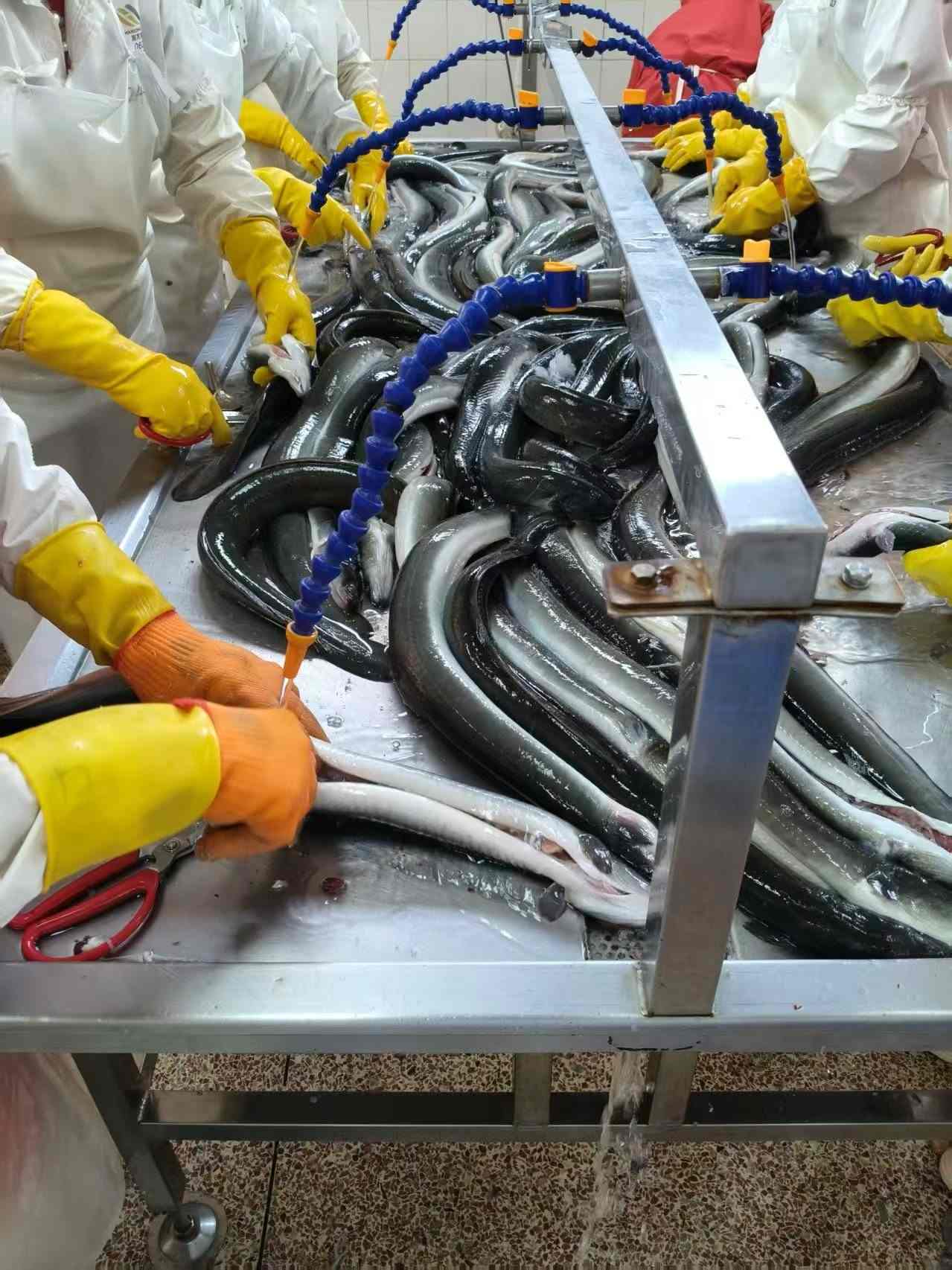
Where does sushi-grade saltwater eel come from? The highest quality anago is traditionally associated with Japan, particularly Tokyo Bay. However, quality anago is also sourced from the waters around Korea and China. As a buyer, your focus should be on the supplier's processing and handling standards, not just the origin.
Unlike the highly controlled environment of unagi aquaculture, anago is largely a wild fishery. This introduces variables you must manage. When specifying anago for saltwater eel sushi, you need to be precise about what you need and aware of common pitfalls.
Common Sourcing Mistakes to Avoid
- Ignoring Size Specifications: Anago comes in various sizes. Smaller eels are often more tender and preferred for nigiri. Larger ones can be tougher and might be better suited for simmering or tempura. Failing to specify a size grade (e.g., number of pieces per kg) can result in an inconsistent product that is difficult for chefs to work with.
- Overlooking Processing Methods: How the anago is processed post-catch is critical. Was it flash-frozen at sea (FAS)? Was it processed and deboned by hand? Poorly handled anago will lose its delicate texture and can develop off-flavors. Always ask for details on the processing timeline from catch to freeze.
- Assuming All "Anago" is the Same Species: While Conger myriaster is the classic choice for anago sushi, other conger eel species exist. Ensure your supplier provides the correct species for the authentic, delicate texture your customers expect from marine eel sushi.
- Neglecting Seasonality: The best season for anago is typically summer, when the eels are leaner and have a lighter flavor. While frozen product is available year-round, understanding the peak season can help you plan promotions and secure the best quality.
Menu Applications and Preparation
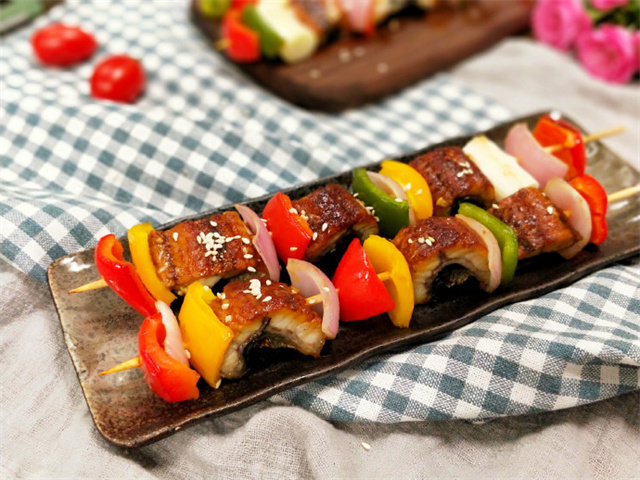
Anago's delicate nature requires a different approach in the kitchen compared to robust unagi. Its primary use is for saltwater eel nigiri, where its soft texture is the star. The eel is almost always simmered in a broth of dashi, soy sauce, mirin, and sake until it is incredibly tender. After simmering, it's placed on sushi rice and finished with a light brushing of a sweet, reduced sauce called nitsume—a thinner cousin to the thick tare used for unagi.
This preparation highlights the main difference: unagi is grilled to showcase its richness, while anago is simmered to protect its delicacy. Forcing anago into a high-heat grilling application suitable for unagi would destroy its texture and waste the product.
Buyer's Checklist: Choosing Between Anago and Unagi
Use this checklist to decide which eel is right for your specific menu concept or product line.
- What is the target flavor profile?
- For a subtle, clean, and elegant taste: Choose Anago.
- For a rich, bold, and savory umami flavor: Choose Unagi. Our frozen unagi kabayaki is a perfect example of this profile.
- What is the primary cooking method?
- Simmering, steaming, or gentle broiling: Anago is suitable.
- Hard grilling, pan-searing, or use in heavily sauced dishes: Unagi is the better choice as its firm texture holds up to heat.
- What is the operational priority?
- Artisanal, specialty item with a high "wow" factor: Anago.
- Consistency, cost control, and high-volume output: Unagi.
- Which menu items are you developing?
- Classic Edomae-style nigiri or high-end appetizers: Anago.
- Rice bowls (donburi), hearty sushi rolls, or noodle dishes: Unagi is the industry standard.
The Role of Sauce in Saltwater Eel Sushi
The sauce, or nitsume, is the final touch that completes anago sushi. It's made by reducing the simmering liquid used to cook the eel, concentrating its flavors into a delicate glaze. It is intentionally less thick and sweet than the tare used for unagi. This is because a heavy sauce would completely overpower the anago's subtle flavor.
For businesses, this presents a choice: create your own nitsume in-house or source a pre-made one. While making it from scratch offers authenticity, it requires consistency and skilled labor. Sourcing a high-quality, pre-made sauce can save time and ensure a uniform product. While our primary eel sauce (unagi tare) is formulated for the richness of unagi, it can be thinned with dashi or sake to create a suitable glaze for anago in a high-volume setting, offering a practical solution for kitchens that use both types of eel.
Ultimately, whether you are serving classic saltwater eel sushi or hearty unagi bowls, understanding the distinct characteristics of each product allows you to source smarter, reduce waste, and deliver an exceptional experience to your customers. Anago and unagi are not competitors; they are two different tools to create a diverse and appealing seafood menu.