

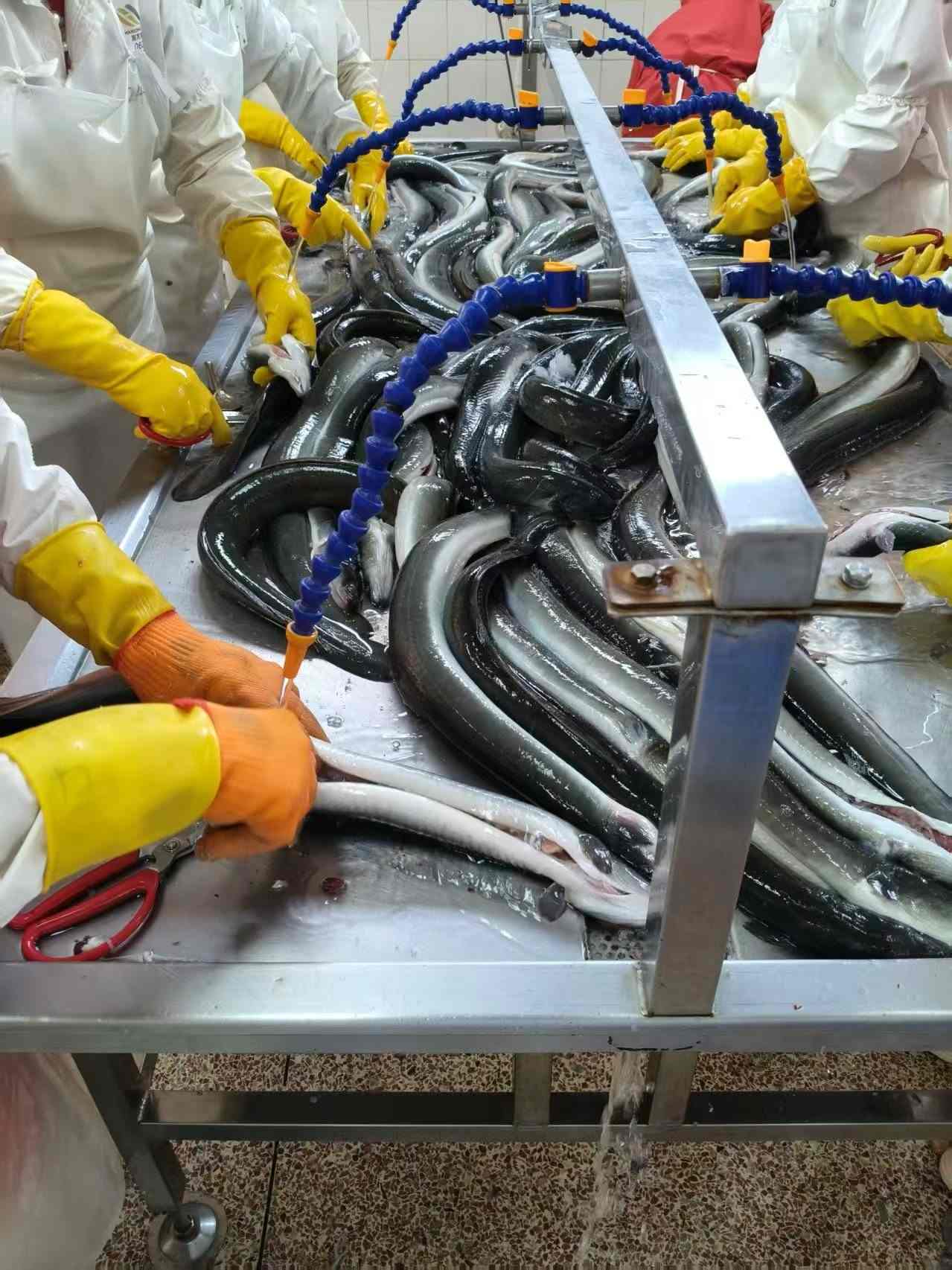
What Type of Eel Is Used in Sushi and Why Menu Labels Matter
What type of eel is used in sushi is a question that can change a restaurant’s buying decision before the first piece reaches the counter. A glossy grilled eel nigiri may look familiar, but the eel could be freshwater unagi or saltwater anago. They cook differently, taste different, and suit different menu positions.
For restaurant buyers, importers, and foodservice teams, knowing what type of eel is used in sushi helps prevent a common menu problem: ordering one eel style while expecting the flavor, texture, or presentation of another. The terms may appear close together on Japanese-style menus, yet they point to separate product categories.
What type of eel is used in sushi depends on the menu item
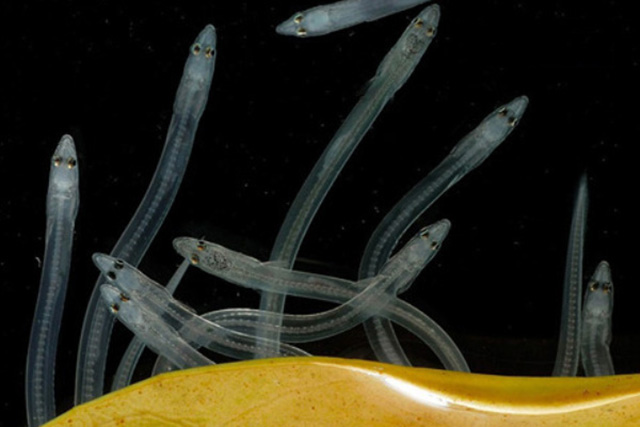
What type of eel is used in sushi usually comes down to two familiar Japanese menu terms: unagi and anago. Unagi refers to freshwater eel, while anago generally refers to saltwater conger eel. Both can appear as nigiri, rice bowl toppings, sushi roll fillings, or grilled menu items, but the finished dishes have different identities.
The first useful category is freshwater eel. On Japanese menus, this is usually called unagi. It is commonly grilled and glazed in a kabayaki style, creating the dark, shiny, sweet-savory surface many diners associate with eel sushi.
Saltwater eel sushi is more often linked with anago. Anago is generally lighter in appearance and milder in flavor. It may be simmered, steamed, grilled, or lightly sauced before being served over rice. A menu that simply says “eel” without further detail can leave staff and diners guessing.
| Menu term | General eel category | Typical preparation | Best menu expectation |
|---|---|---|---|
| Unagi | Freshwater eel sushi | Grilled kabayaki with glaze | Rich, caramelized, sweet-savory eel |
| Anago | Saltwater eel sushi | Simmered, steamed, grilled, or lightly sauced | Gentler flavor and softer presentation |
| Eel | Unclear without a supplier description | Varies by product | Ask for species and preparation details |
When a buyer asks what type of eel is used in sushi, the better follow-up question is: “What menu result do we want?” A kabayaki rice bowl, a glazed unagi nigiri, and a delicate anago nigiri should not be sourced under the same vague product request.
Unagi vs anago is the buying distinction that changes the finished dish
The central unagi vs anago distinction is not just a language lesson. It affects menu descriptions, sauce selection, kitchen handling, and guest expectations. Freshwater unagi is commonly associated with kabayaki. Saltwater anago is commonly associated with a more restrained finish where the eel’s soft texture remains the focus.
At Eelpro Co., LTD, our product focus includes frozen unagi kabayaki, freshwater eels, and unagi tare. That makes the freshwater category especially relevant for buyers looking to build grilled eel sushi, unagi donburi, eel rolls, or Japanese-inspired rice dishes around a consistent kabayaki format.
- Choose unagi when the menu needs a glossy grilled topping with a sweet-savory glaze and a familiar eel-sushi appearance.
- Choose anago when the menu concept calls for a softer, lighter saltwater eel presentation.
- Use the word kabayaki when the product has been prepared as grilled eel with sauce, rather than leaving the preparation unclear.
- Use the word unagi when the dish is based on freshwater eel sushi, especially for grilled rolls, nigiri, and rice bowls.
- Do not substitute labels casually because diners who order anago may expect a different flavor profile from diners who order unagi.
For a buyer asking what type of eel is used in sushi for a classic glazed presentation, frozen unagi kabayaki is the more direct fit. You can review our unagi kabayaki product page when building a grilled eel assortment for foodservice or retail distribution.
How sushi eel species should be identified on menus and purchase documents
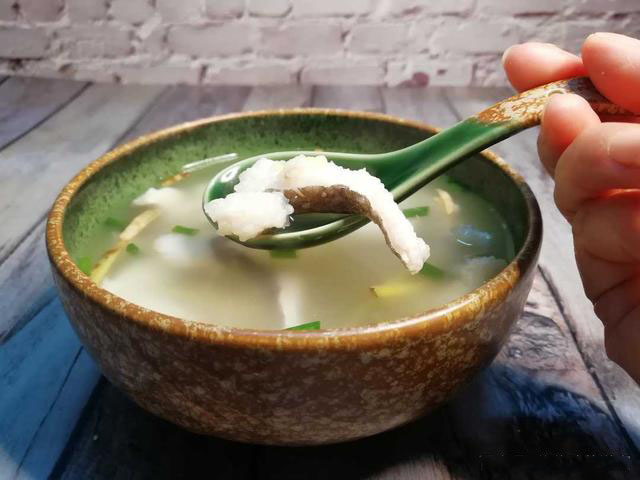
Clear labeling protects both the kitchen and the customer. When buyers compare sushi eel species, they should avoid relying on broad wording such as “Japanese eel,” “grilled eel,” or “eel fillet” without confirming whether the item is freshwater unagi or saltwater anago.
For what type of eel is used in sushi, a purchase request should identify the menu term, the water category, the preparation style, and the intended dish. This prevents an operations team from receiving a product that is technically eel but unsuitable for the planned menu image.
| What to confirm | Why it matters | Useful wording for buyers |
|---|---|---|
| Menu name | Sets diner expectations | “Unagi nigiri” or “anago nigiri” |
| Eel category | Separates freshwater eel sushi from saltwater eel sushi | “Freshwater unagi” or “saltwater anago” |
| Preparation style | Determines flavor and appearance | “Kabayaki grilled and glazed” |
| Sauce requirement | Controls the final sweet-savory balance | “Serve with unagi tare” |
| Menu application | Helps kitchen teams portion and plate correctly | “For nigiri, rolls, or rice bowls” |
Cold fact: “Eel” is not a complete purchasing description. The term tells you the ingredient family, but not whether the product will deliver the grilled, glazed result diners often expect from unagi. This is one of the easiest sourcing traps to avoid.
How to choose what type of eel is used in sushi for your restaurant format
The answer to what type of eel is used in sushi should match your restaurant’s service model. A fast-casual Japanese bowl concept, an omakase counter, a hotel buffet, and a frozen meal producer may all serve eel, but they may not need the same format.
Choose freshwater unagi for glazed signature items
Freshwater unagi sushi is a strong choice when the menu needs recognizable grilled eel dishes. Its sweet-savory kabayaki profile works well for unagi nigiri, dragon-style rolls, unakyu-style rolls, bento components, and rice bowls. A ready-to-use glazed eel format can also simplify flavor consistency across multiple locations.
For sauce planning, buyers can compare our eel sauce product page with their existing menu profile. Sauce should support the eel rather than hide it. A heavy glaze can make an already sweet menu feel flat, while too little glaze can leave a grilled eel item looking dry.
Choose saltwater anago for a lighter sushi counter style
Saltwater eel sushi may fit a sushi bar that wants a milder, more delicate item alongside richer grilled fish. Anago is often positioned as a separate sushi experience rather than an alternative name for unagi. If the menu is built around subtle rice seasoning and restrained toppings, anago may align better with that direction.
Use this buyer checklist before placing an order
- Confirm whether the chef’s menu calls for unagi or anago.
- Match freshwater eel sushi with kabayaki-style recipes and grilled presentation.
- Match saltwater eel sushi with a lighter anago-focused presentation.
- Check whether the dish needs pre-glazed eel, separate tare, or a less sauced finish.
- Write the desired menu application into the purchase request.
- Ask the kitchen team to approve the menu wording before printing menus or product labels.
- Keep “eel” as a broad category only when the exact sushi eel species is also stated elsewhere.
Buyers who need what type of eel is used in sushi for a grilled roll program can also use our eel sushi roll guide to see how cucumber, rice, nori, and glazed eel work together in a familiar menu format.
Common menu mistakes when describing what type of eel is used in sushi
Mislabeling does not always mean a product is unsafe or poor. More often, it means the description does not match what the diner receives. Still, the mistake can create avoidable complaints and make staff training harder.
- Calling all eel unagi: Anago and unagi are not interchangeable menu names.
- Buying by appearance alone: A dark glaze may suggest kabayaki, but buyers should still confirm the underlying eel category.
- Leaving out preparation language: “Grilled unagi kabayaki” communicates more than “eel sushi.”
- Using one sauce for every eel item: A sauce suited to rich grilled unagi may overpower a more delicate anago dish.
- Training staff with only one answer: Front-of-house teams should know whether a guest is ordering freshwater eel sushi or saltwater eel sushi.
As the Eelpro Co., LTD Technical Team, we recommend treating what type of eel is used in sushi as both a culinary and purchasing question. Start with the target dish, define the eel category, then align the product and sauce. That sequence gives chefs a clearer brief and buyers a cleaner specification.
Questions buyers ask about what type of eel is used in sushi
What is the difference between unagi and anago?
Unagi is freshwater eel and is commonly served grilled in kabayaki style with a sweet-savory glaze. Anago is saltwater conger eel and is generally associated with a lighter, softer sushi preparation. In the unagi vs anago decision, the right choice depends on the flavor profile and menu style you want to offer.
How are eel species labeled on sushi menus?
The clearest menu format names the item as unagi or anago, then adds the preparation if useful. Examples include “Unagi Kabayaki Nigiri,” “Grilled Freshwater Eel Roll,” or “Anago Nigiri.” For purchasing documents, add the intended use so suppliers and kitchen teams understand the target dish.
Which eel is best for sushi restaurants?
There is no single answer. For a glazed, grilled, rich-tasting item, unagi is often the better fit. For a lighter and more delicate sushi offering, anago may suit the menu. The best choice is the eel that matches the restaurant’s recipe, menu description, plating style, and expected guest experience.
If your menu needs the classic kabayaki direction, explore our kabayaki sauce article and compare how glaze influences the final eel dish. Share the unagi or anago style your guests request most, then use that feedback to refine your next menu cycle.