

Is Eel Healthy? A Dietitian-Informed FAQ for Buyers and Home Cooks
A customer once asked us a simple question over email: "My kids love unagi, but is eel healthy or is this just a treat we should limit?" It's a fair question. Eel tastes rich, looks glossy with sauce, and doesn't fit the usual "lean white fish" mental category. So let's answer it properly — nutrients, risks, portions, all of it — the way we'd explain it to a distributor asking us to justify a new SKU on their menu.
What's Actually in Eel? The Nutrient Breakdown
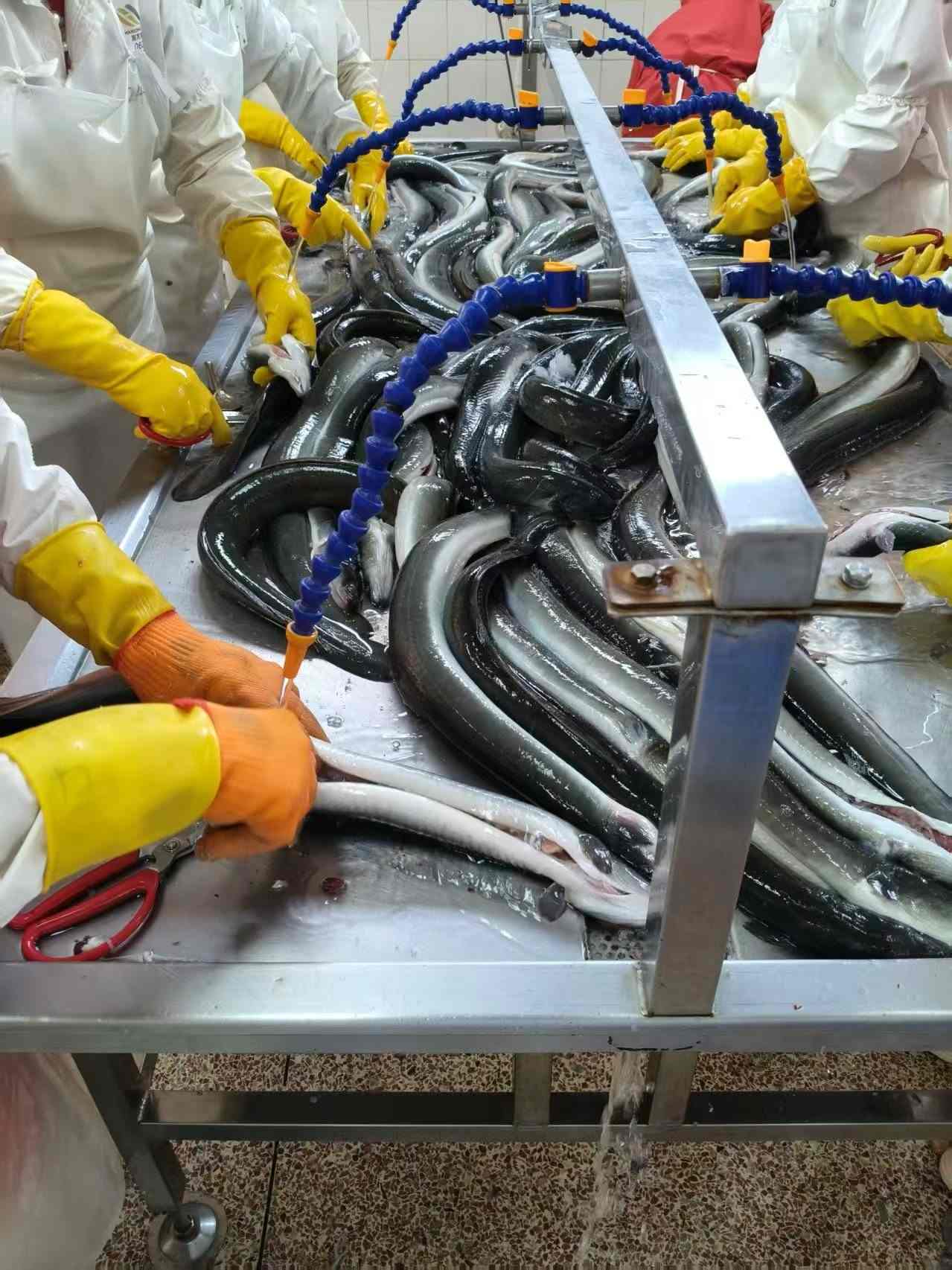
Eel (unagi) is a fatty freshwater fish, closer in richness to salmon than to cod or tilapia. That fat content is exactly what makes it good for you — and exactly what people worry about. Here's the real profile per 100g of cooked freshwater eel, based on standard USDA nutrient data:
| Nutrient | Amount per 100g | Why it matters |
|---|---|---|
| Calories | ~236 kcal | Higher than white fish, comparable to salmon |
| Protein | ~23g | Complete amino acid profile, supports muscle repair |
| Total fat | ~15g | Mostly unsaturated, carries fat-soluble vitamins |
| Omega-3 fatty acids | ~1.5–2g | Supports heart and brain health |
| Vitamin A | ~1200 IU | Among the highest of any seafood — supports vision |
| Vitamin B12 | ~2.6 mcg | Over 100% of daily needs — nerve function |
| Vitamin D | ~50 IU | Rare in most foods, helps calcium absorption |
So yes — eel does contain beneficial omega-3 fats, and it's one of the few everyday seafoods that also delivers a strong dose of vitamin A and vitamin D in the same bite. That combination is genuinely uncommon. Most people ask "is eel a healthy seafood choice" expecting a yes/no answer, but the honest answer is: it's healthy in the way salmon is healthy — nutrient-dense, but not a "free food" you eat in unlimited amounts.
Eel Health Benefits — And Where the Marketing Oversells It
- Heart support: the omega-3 content helps offset saturated fat elsewhere in a diet, but eel itself isn't "heart-food" in the way fatty tuna or mackerel is — its omega-3 concentration is moderate, not exceptional.
- Bone and immune support: vitamin D and B12 levels are genuinely strong, useful for people with limited sun exposure or plant-based diets who eat seafood occasionally.
- Skin and vision claims: vitamin A content is real and high, but "eel improves your skin" claims common in some marketing go beyond what the nutrient data supports on its own.
- Energy and stamina folklore: in East Asian food culture, eel is traditionally eaten in summer for stamina. There's no clinical proof behind the stamina claim specifically — the calorie and protein density is real, the folklore part is cultural, not medical.
We're not dietitians ourselves, but we deal with eel nutrition questions constantly from foodservice buyers who need to explain this on menus. The safest, defensible claim is: eel dietary value comes from its protein, B12, vitamin A, and vitamin D — not from any single "superfood" property.
Eel Safety Considerations — The Part Most Articles Skip
This is the section that actually matters for anyone sourcing or serving eel commercially.
1. Raw eel is not safe to eat
Unlike some sushi-grade fish, eel blood contains a toxin (ichthyotoxin) that's destroyed by cooking but can cause illness raw. This is why unagi is never served raw in Japanese cuisine — always grilled, steamed, or kabayaki-style. Any product labeled "eel sushi" has been fully cooked before assembly.
2. Sodium load from the sauce
The eel sauce glaze (unagi tare) is soy-based and sugar-heavy. A generous serving can carry 500-700mg of sodium just from the glaze. That's not a reason to avoid eel — it's a reason to control portion size and glaze thickness, especially for sodium-sensitive customers.
3. Sourcing and contaminant control
Freshwater eels can accumulate environmental contaminants depending on farming water quality. This is why farm traceability matters more for eel than for many wild-caught species. Buyers should ask suppliers directly about water source testing and feed standards rather than assuming all eel is equal.
How Often Can You Eat Eel Safely? A Practical Portion Guide
This is the single most-asked follow-up question, and it deserves a direct answer instead of vague "everything in moderation" language.
- General healthy adults: 1-2 servings per week (roughly 100-150g cooked eel per serving) fits comfortably within most seafood dietary guidelines, similar to salmon or mackerel recommendations.
- Pregnant women: freshwater eel is generally lower in mercury than large predatory fish, but portion moderation and fully-cooked preparation remain the rule — check with a physician for individual guidance.
- People watching sodium: go easy on the tare glaze, or request a lighter sauce application — the fish itself is not the sodium problem, the sauce is.
- People managing calorie intake: eel's ~236 kcal/100g means a modest 100g portion alongside rice and vegetables keeps a meal balanced without needing to avoid it entirely.
None of this means eel is dangerous. It means eel belongs in the same "eat regularly, not unlimited" category as salmon, not the "eat freely" category of white fish like cod.
Common Mistakes When Judging Whether Eel Is Healthy
- Judging eel only by the sauce: plain grilled eel and heavily glazed kabayaki have very different sodium and sugar profiles. Don't average them into one judgment.
- Assuming all eel products are equal: freezing method, farm water quality, and feed standards affect nutrient consistency and safety. Ask suppliers for these details before assuming.
- Confusing folklore with nutrition science: "eel gives stamina" is cultural tradition, not a clinical claim — don't market it as medical fact.
- Ignoring portion context: eel eaten as an occasional 100g portion is very different, health-wise, from a daily large serving habit.
Eel vs Other Common Seafood — A Quick Comparison for Healthy Seafood Choices
| Seafood | Calories (100g) | Omega-3 | Notable strength |
|---|---|---|---|
| Freshwater eel | ~236 kcal | Moderate | Very high vitamin A & B12 |
| Salmon | ~208 kcal | High | Strongest omega-3 source |
| Cod | ~82 kcal | Low | Very lean, low-calorie |
| Shrimp | ~99 kcal | Low | Low fat, high protein |
This table is useful for foodservice buyers building menus that need to explain healthy seafood choices to customers with different goals — eel fills a specific niche (vitamin-dense, moderately fatty) rather than being universally "the healthiest" or "unhealthy" option.
Preparation Factors That Change the Health Equation
How eel is cooked changes its nutrition profile more than people expect:
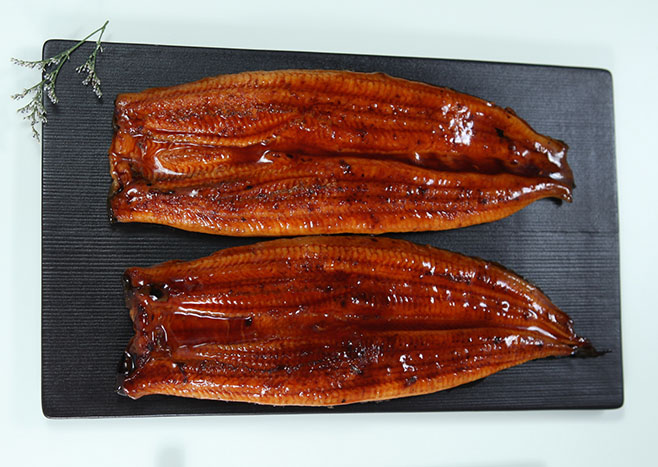
- Grilling (kabayaki style): renders some subcutaneous fat out, concentrates protein — the traditional method for unagi kabayaki eel.
- Steaming before glazing: softens the fish further, reduces final fat content slightly compared to straight grilling.
- Deep frying (tempura style): adds significant calories and fat — compare eel tempura preparation against grilled versions if calorie count matters to your customers.
- Sauce application timing: glazing in multiple thin layers during grilling (the traditional method) uses less total sauce than a single thick pour after cooking — worth knowing if sodium is a concern. Our breakdown on kabayaki sauce technique covers this in detail.
For Foodservice Buyers: Explaining Eel's Health Profile to Customers
If you're a distributor or restaurant buyer stocking frozen eel supplier products, customers will ask you these same questions at the counter. A short, honest answer works better than an oversold one:
- "Eel is a fatty fish, similar to salmon in richness — high in protein, vitamin A, B12, and vitamin D."
- "It's cooked, never raw, because raw eel blood isn't safe."
- "The sauce carries most of the sodium — we can adjust the glaze if that matters to you."
- "A normal portion, once or twice a week, fits a balanced diet the same way salmon does."
This kind of transparency builds trust faster than vague "superfood" language, and it holds up if a customer follows up with a dietitian or does their own research.
Curious how sourcing and farm conditions affect the eel you're buying? Our eel farm operations and quality testing lab pages cover exactly what we check before any batch ships. If you want to taste the difference yourself, request a sample of our frozen unagi kabayaki or eel sauce — we're happy to send spec sheets alongside it so your team can answer these nutrition questions with confidence.