

What Is Ell Sauce and Why It's Actually Called Eel Sauce on Real Menus
Someone types "ell sauce" into a search bar almost every day. It's not a different product — it's a misspelling of eel sauce, the sweet, glossy glaze that coats grilled unagi at Japanese restaurants and sushi counters worldwide. If you've been searching for "ell sauce" hoping to find a recipe, a supplier, or a label explanation, you've landed on the right term already — you just spelled it phonetically.
This matters more than spelling pride suggests. For importers and foodservice buyers, knowing the correct terminology affects how you search for suppliers, how you write purchase orders, and how you read product labels from overseas vendors. Get the name wrong, and you may miss the right supplier catalog entirely or misinterpret a label. Let's clear up the confusion and get into what this sauce actually is, how it shows up on menus, and what buyers need to check before ordering it by the drum or the case.
Eel Sauce Meaning: The Term Behind the Confusion
Eel sauce — also called unagi tare in Japanese — is a thick, dark glaze made primarily from soy sauce, mirin, sugar, and sake, often simmered down with eel bones or trimmings for depth. The Japanese word "tare" (たれ) simply means "sauce" or "dipping sauce," and "unagi" means freshwater eel. So "unagi no tare" translates literally to "eel's sauce."
Here's the twist most diners don't know: traditional eel sauce doesn't always contain actual eel. Many commercial versions are built from a soy-mirin-sugar reduction alone, without eel extract, because the flavor profile (salty-sweet, caramelized, slightly smoky) is what people associate with unagi — not necessarily the fish itself. Some manufacturers do add eel bone stock for authenticity and depth, which is closer to how traditional kabayaki shops in Japan prepare it. Buyers should check labels carefully if halal, kosher, or pescatarian-specific compliance is a concern, since "eel sauce" labeling conventions vary by producer.
For a deeper technical explanation of how the sauce is formulated and why fish-derived stock changes the flavor and shelf profile, see our breakdown on why kabayaki sauce works the way it does in commercial kitchens.
What Does "Ell Sauce" Mean on a Menu? Reading Japanese Restaurant Labels
On an English-language menu, you'll usually see it listed a few different ways, and each one carries a slightly different implication:
- "Eel sauce" — the most common Western menu term, usually describes the glaze on unagi rolls or nigiri.
- "Unagi sauce" — used interchangeably with eel sauce, sometimes signals a more "authentic" positioning on the menu.
- "Kabayaki sauce" — technically refers to the basting sauce used specifically for grilling kabayaki-style eel, though many menus use it as a synonym.
- "Nitsume" or "tsume" — a related but distinct thick glaze used in sushi, sometimes confused with eel sauce because of similar color and sweetness.
- "Sweet soy glaze" — a generic Western label sometimes used when a restaurant avoids Japanese terminology, though the recipe is nearly identical.
Is ell sauce the same as unagi sauce? Yes — functionally, on almost every English menu, "eel sauce" and "unagi sauce" refer to the same glaze. The naming difference is regional and stylistic, not a formulation difference. A ramen shop in California might call it "eel sauce" for familiarity, while a more traditional izakaya might use "unagi tare" to signal authenticity to diners who know Japanese cuisine.
Unagi Sauce Uses Beyond the Sushi Counter
Eel sauce isn't limited to unagi dishes anymore. Foodservice operators have expanded its use well past its original role:
- Sushi and sashimi — the classic use, brushed over unagi nigiri, dragon rolls, and unagi don (rice bowls).
- Grilled proteins — used as a glaze for chicken, salmon, or pork in fusion menus, similar to teriyaki but thicker and sweeter.
- Ramen and noodle bowls — a drizzle adds a caramelized note to broths; see our guide on eel noodle soup preparation for a working example.
- Rice bowls and donburi — a finishing sauce over freshly steamed rice, often paired with grilled vegetables or tofu.
- Dipping sauce — served tableside with tempura or fried appetizers as a sweeter alternative to ponzu.
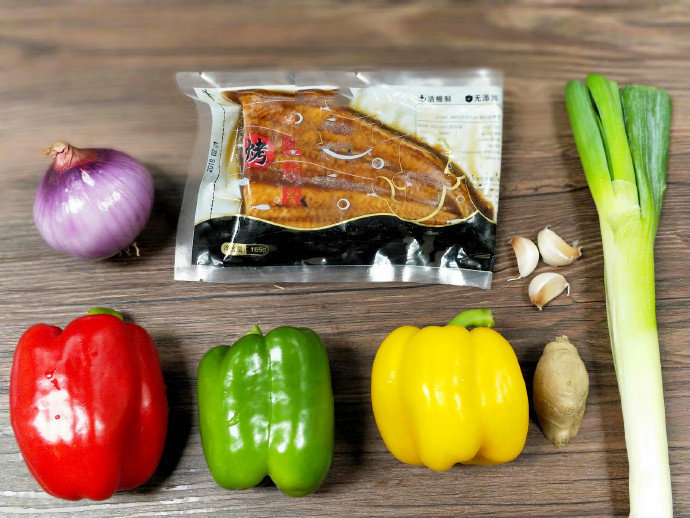
For foodservice buyers building a menu around unagi, sourcing the sauce and the kabayaki together from one supplier reduces flavor mismatch. Our unagi kabayaki line is designed to pair directly with our house tare, so the sweetness and viscosity match what the fish was glazed with during processing.
What Buyers Get Wrong: Viscosity, Sugar Ratio, and Shelf Stability
This is the section most sourcing guides skip — and it's the one that actually affects your kitchen operations and your bottom line. Eel sauce isn't a single standardized product. Small formulation differences change how it performs in a commercial kitchen. Here's what each parameter actually controls, and what happens when buyers overlook it.
| Parameter | What It Actually Affects | What Goes Wrong If Ignored |
|---|---|---|
| Viscosity (thickness) | How well the sauce clings to grilled eel, rolls, or rice without pooling or dripping off during plating | Too thin: sauce runs off in transport/delivery orders, messy presentation. Too thick: clogs squeeze bottles, uneven glaze coverage on the grill |
| Sugar-to-soy ratio | Determines sweetness level and how well the sauce caramelizes under a broiler or open flame | Low sugar: sauce won't glaze properly, stays wet-looking instead of glossy. High sugar: burns quickly under high heat, turns bitter |
| Sodium content | Balances flavor against the natural fat of grilled eel; also affects shelf life as a natural preservative | Too low sodium shortens shelf stability once opened; too high overwhelms the eel's natural flavor |
| Eel stock inclusion | Adds authentic umami depth and a subtle fish-forward aroma matching traditional kabayaki shops | Sauces without stock taste flatter and generic — fine for cost-driven menus, but noticeable to diners expecting authentic unagi flavor |
| Packaging format (drum, squeeze bottle, foodservice pouch) | Determines portion control, waste rate, and how fast kitchen staff can plate consistently during rush hours | Bulk drums without portioning tools lead to inconsistent glaze amounts and higher product waste per dish |
If you're ordering for a high-volume kitchen, ask your supplier for the viscosity spec and sugar ratio before committing to a drum size. A sauce that performs beautifully drizzled cold over a rice bowl may behave completely differently under a broiler at 220°C. Mismatched viscosity is one of the most common — and most avoidable — complaints we hear from new foodservice accounts.
How Eel Sauce Is Used in Foodservice: A Practical Ordering Checklist
Before placing a bulk order, foodservice buyers should confirm the following:
- Does the sauce contain real eel extract or bone stock? — matters for labeling accuracy and allergen disclosure.
- What's the shelf life unopened vs. opened? — affects storage planning and reorder cycles.
- Is it shipped frozen, chilled, or ambient? — changes your cold chain logistics and landed cost.
- What packaging size fits your throughput? — a 1kg squeeze bottle suits a small izakaya; a 20kg drum suits a central commissary kitchen.
- Does the supplier also provide the kabayaki itself? — sourcing both together avoids flavor mismatches between the fish and glaze.
Restaurants scaling unagi-based menu items often start with our eel sauce product line in foodservice pouches before moving to bulk drums once volume stabilizes. That staged approach avoids overcommitting to a format before you know your weekly usage rate.
Common Labeling Mistakes on Imported Eel Sauce
- Mislabeling "eel sauce" as vegan or eel-free without disclosing bone stock content — a compliance risk in markets with strict allergen labeling.
- Confusing "unagi sauce" with "teriyaki sauce" on packaging — they share ingredients but differ in ratio and thickness.
- Omitting country of origin on private-label packaging, which some import markets require explicitly.
- Inconsistent net weight declarations between the outer case and individual units, which can trigger customs delays.
If your import documentation doesn't match your product's actual composition, customs holds and mislabeling fines are real risks — not hypothetical ones. Requesting a spec sheet with full ingredient disclosure before your first order protects you on both compliance and menu-description accuracy.
Is Ell Sauce the Same as Japanese Eel Sauce? Regional Naming Notes
Yes, with one caveat. "Japanese eel sauce" typically implies the traditional tare recipe, simmered slowly and sometimes aged in the same pot for years at established unagi shops in Japan — a technique that deepens flavor over time, similar to a mother sauce. Western-market "eel sauce," by contrast, is usually a faster commercial batch, still built on the same soy-mirin-sugar base but without the multi-year aging tradition. Both are accurate uses of the term; the difference is production method and shelf philosophy, not authenticity in a strict sense.
For buyers sourcing from China-based suppliers, ask directly whether the tare follows the traditional reduction method or a faster commercial process — this affects both flavor depth and unit cost, and it's a fair question to put to any supplier.
Sourcing Eel Sauce and Kabayaki Together
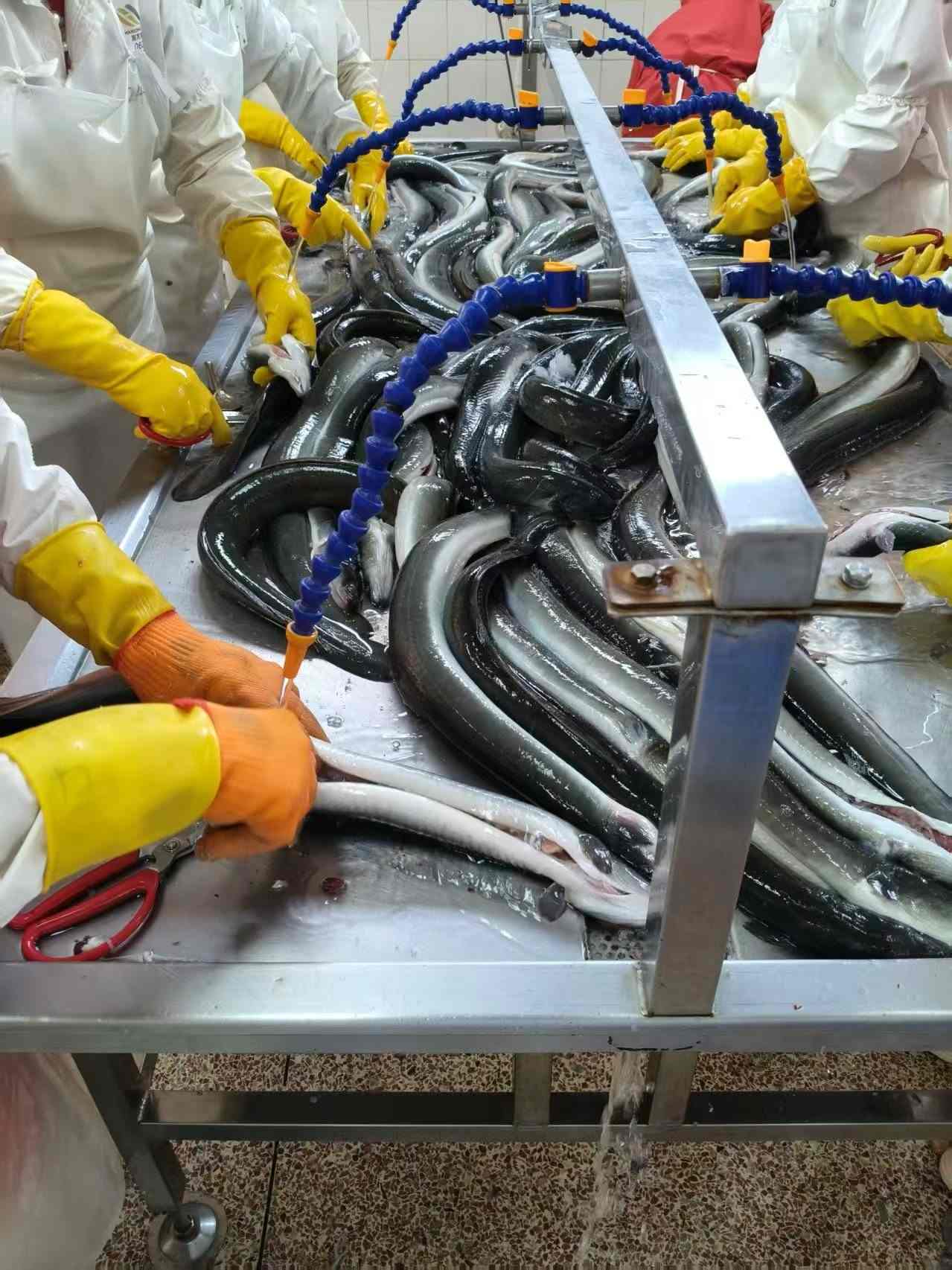
Buyers building a unagi program from scratch typically source the sauce and the fish as a matched pair rather than mixing suppliers. Our frozen eel supplier operation ships kabayaki and tare together, produced from eels raised at our own eel farm and tested through our in-house eel lab before export. That vertical control keeps the sauce's flavor profile consistent with the fish it's meant to glaze — something buyers sourcing components separately can't always guarantee.
The term you've been typing as "ell sauce" is really eel sauce — and now you know exactly what's in the bottle, how it should perform on the grill, and what to check before it lands on your loading dock.
Want a sample before committing to a bulk order? Request a spec sheet or a trial pouch of our eel sauce and kabayaki pairing, and we'll walk you through viscosity and packaging options suited to your kitchen volume.