

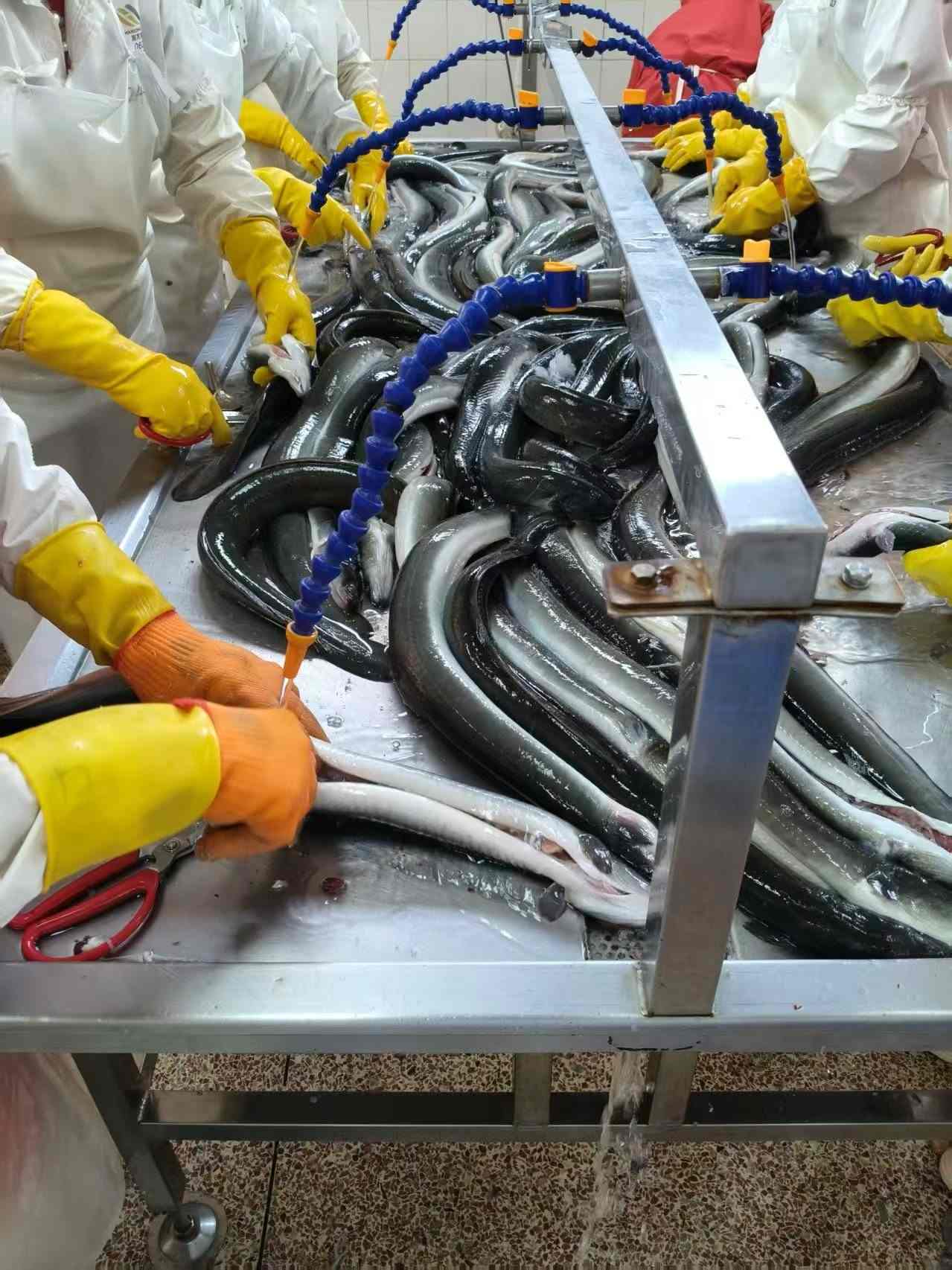
Whats Eel Sauce and Why Every Sushi Menu Seems to Depend On It
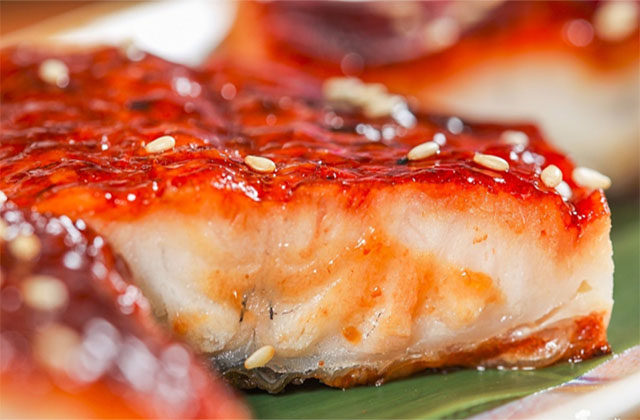
Picture this: a plate of grilled eel arrives at the table, glistening under a dark, sticky glaze that smells like caramel mixed with soy. Your first bite hits sweet, then salty, then something deeper you can't quite name. That glaze is eel sauce, and if you've ever wondered whats eel sauce actually made of, you're not alone. Buyers, chefs, and home cooks ask this question constantly — and the answer matters more than you'd think for anyone building a Japanese-style menu.
For B2B buyers sourcing sauce for restaurants or retail lines, understanding the real composition and function of eel sauce isn't just trivia. It affects supplier selection, shelf-life planning, and menu consistency across locations.
What Is Unagi Sauce, Exactly?
Unagi sauce — also called unagi tare or eel sauce — is a reduction of soy sauce, sugar (or mirin), and sake, simmered until it thickens into a glaze. Traditionally in Japan, this sauce was built over years by reusing the pan drippings from grilling eel, adding fresh soy and sugar each time. That's how old-school unagi restaurants developed "century sauces" — some kept going for decades.
Commercially produced versions, like the eel sauce we produce at Eelpro, follow the same base ratio but standardize it for consistency: soy sauce, sugar, mirin-style sweetener, and sometimes a touch of dashi for depth. The result is a glaze thick enough to coat a spoon, dark amber to nearly black, and shelf-stable enough for export shipping.
Cold Fact Most People Miss
Eel sauce does not always contain eel. The name refers to its traditional use as a glaze for grilled eel (unagi kabayaki), not to eel being an ingredient. Most commercial unagi sauce is entirely plant-and-grain based — soy, sugar, rice wine. If a recipe calls for actual eel extract or eel bones simmered into the reduction, that's the exception, not the rule, and it's rare outside of specific traditional Japanese kitchens.
Eel Sauce Flavor: What Does Eel Sauce Taste Like?
If you've never tried it, imagine teriyaki sauce's sweeter, more caramelized cousin. The flavor profile breaks down like this:
- Sweet — from sugar or mirin, forward and immediate
- Salty-umami — from soy sauce, giving it backbone
- Slight smokiness — especially in versions simmered with grilled eel drippings
- Sticky, syrupy texture — thick enough to glaze, not runny like soy sauce
It does not taste "fishy." That's a common misconception. The flavor sits closer to a sweet soy glaze than to anything marine. This is exactly why it pairs so well beyond eel dishes — on grilled chicken, roasted vegetables, or even drizzled over rice bowls.
Eel Sauce Uses on Modern Menus
Foodservice buyers often underestimate how versatile this glaze is. Beyond the obvious unagi donburi, here's where eel sauce shows up on real menus:
- Sushi rolls — drizzled over dragon rolls, unagi nigiri, and tempura rolls
- Grilled proteins — brushed onto chicken, salmon, or pork as a quick glaze
- Rice bowls — finishing sauce for donburi and poke-style bowls
- Vegetable dishes — glazed eggplant, mushrooms, or grilled asparagus
- Dipping sauce — paired with tempura or fried appetizers
If you're developing a menu around grilled eel specifically, pairing the sauce correctly matters. Our article on kabayaki sauce quality covers why glaze consistency changes plating results — thin sauce runs off the eel, thick sauce clings and caramelizes properly under the broiler.
Eelpro Eel Sauce vs. Generic Substitutes — A Buyer's Comparison
This is the section that actually saves buyers money and headaches. Not all "eel sauce" on the market performs the same in commercial kitchens. Here's a straight comparison:
| Option | Flavor Consistency | Viscosity for Glazing | Shelf Stability | Best For |
|---|---|---|---|---|
| Eelpro packaged unagi tare | Batch-standardized, repeatable | Thick, clings to grilled eel | Export-stable packaging | Restaurants, retail lines, foodservice distributors |
| DIY reduction (soy + sugar + mirin) | Varies by cook, hard to repeat | Depends on reduction time | Short, needs refrigeration | Home cooks, small kitchens |
| Generic bottled teriyaki (relabeled) | Often too thin, overly sweet | Runny, doesn't glaze well | Variable | Budget operations only |
For any operation serving unagi kabayaki at volume, sauce viscosity is not a small detail. A sauce too thin won't caramelize under a broiler or torch, leaving eel looking pale instead of glossy and dark. This is the exact problem we engineered around when developing our own tare — matched specifically to pair with our frozen unagi kabayaki product line.
What Can You Use Instead of Eel Sauce?
Sometimes you're mid-service and out of stock, or a customer wants a lower-sodium option. Practical substitutes include:
- Teriyaki sauce — closest match, though usually less thick and less complex
- Homemade reduction — equal parts soy sauce and sugar, simmered with a splash of mirin until syrupy (about 10-15 minutes on low heat)
- Hoisin thinned with soy sauce — different flavor but similar sweet-salty balance in a pinch
- Ponzu with added sugar — lighter, more citrus-forward alternative
None of these fully replicate the depth of a properly reduced unagi glaze, but they'll get a dish out the door without an obvious flavor gap.
Common Mistakes Buyers Make When Sourcing Eel Sauce
- Assuming all "unagi sauce" labels are equal — sugar ratios and viscosity vary widely between suppliers
- Ignoring packaging format — bulk drums vs. squeeze bottles change kitchen workflow significantly
- Not testing glaze behavior under heat — some sauces burn or separate under a broiler; test before committing to a supplier
- Overlooking sodium content — important for menus targeting health-conscious diners
- Pairing mismatched sauce and eel quality — a premium glaze can't fix low-grade eel, and vice versa
A Buyer's Decision Checklist for Foodservice Sauce Sourcing
Before signing with any eel sauce supplier, run through this:
- Does the sauce hold viscosity after refrigeration and reheating?
- Is the sweetness level adjustable or fixed per batch?
- What's the shelf life once opened, and does it match your turnover rate?
- Can the supplier provide consistent flavor across multiple shipments?
- Does the sauce pair well with your specific eel product, or was it formulated independently?
We built our tare formulation alongside our own eel farming and processing operation, so the sauce and the eel are tested together — not sourced from two unrelated supply chains.
Storage and Shelf-Life Notes for Foodservice Buyers
Unopened commercial eel sauce, kept sealed and away from direct sunlight, typically holds well due to its high sugar and salt content — both natural preservatives. Once opened, refrigeration is recommended to maintain flavor and prevent fermentation drift. For kitchens using it daily, decanting into squeeze bottles speeds up plating without sacrificing quality. If you're scaling a menu around grilled eel, our guide on fixing common kabayaki sauce mistakes walks through practical fixes when a batch turns out too thin or too salty.
FAQ: Straight Answers to Common Eel Sauce Questions
What does eel sauce taste like?
Sweet and salty first, with a caramelized depth similar to a thick teriyaki. No fishy taste at all — it's soy and sugar based, not seafood based.
Does eel sauce contain eel?
Almost never. The name comes from its traditional pairing with grilled eel (unagi), not from eel being an ingredient in the sauce itself. Standard commercial versions are soy, sugar, and mirin.
What can you use instead of eel sauce?
Teriyaki sauce is the closest substitute. A quick homemade reduction of soy sauce and sugar works too, though it won't match the depth of a properly aged unagi glaze.
Where This Fits in a Bigger Menu Strategy
Understanding eel sauce uses and flavor profile helps buyers make faster, better-informed sourcing decisions — whether you're stocking a sushi counter or building a full Japanese grill menu. Pairing the right unagi glaze with quality frozen eel supply is what separates a forgettable dish from one customers order every visit.
Curious how the sauce is actually made in a working kitchen? Check our breakdown on eel sauce make-ahead and storage tips, and drop your own sourcing questions or menu ideas in the comments below — we read every one.