

What Really Defines the Ideal Eel Sauce Taste for Foodservice?
For restaurant chains and food importers, the ideal eel sauce taste is not just about sweetness. It’s about balance, consistency, and a flavor profile that complements, rather than overpowers, your dishes. A sauce that is too sugary can mask the delicate flavor of high-quality fish, while an inconsistent product creates unpredictable results for chefs. The key is finding a sauce with a deep, savory umami base that can be easily adapted across a menu, from classic unagi donburi to innovative sushi rolls.
At Eelpro, we've spent years perfecting this balance. Our process is built on a foundation of quality raw materials and precise manufacturing controls. With a 4,000-ton annual production capacity and full-chain traceability from our ~20 customs-registered eel farming bases, we ensure every batch meets the exacting standards required by our clients in Japan, the United States, and the European Union. This article outlines how to evaluate and utilize eel sauce to achieve that perfect flavor profile in a commercial kitchen.
The Foundation of Flavor: How Processing Impacts Eel Sauce Quality
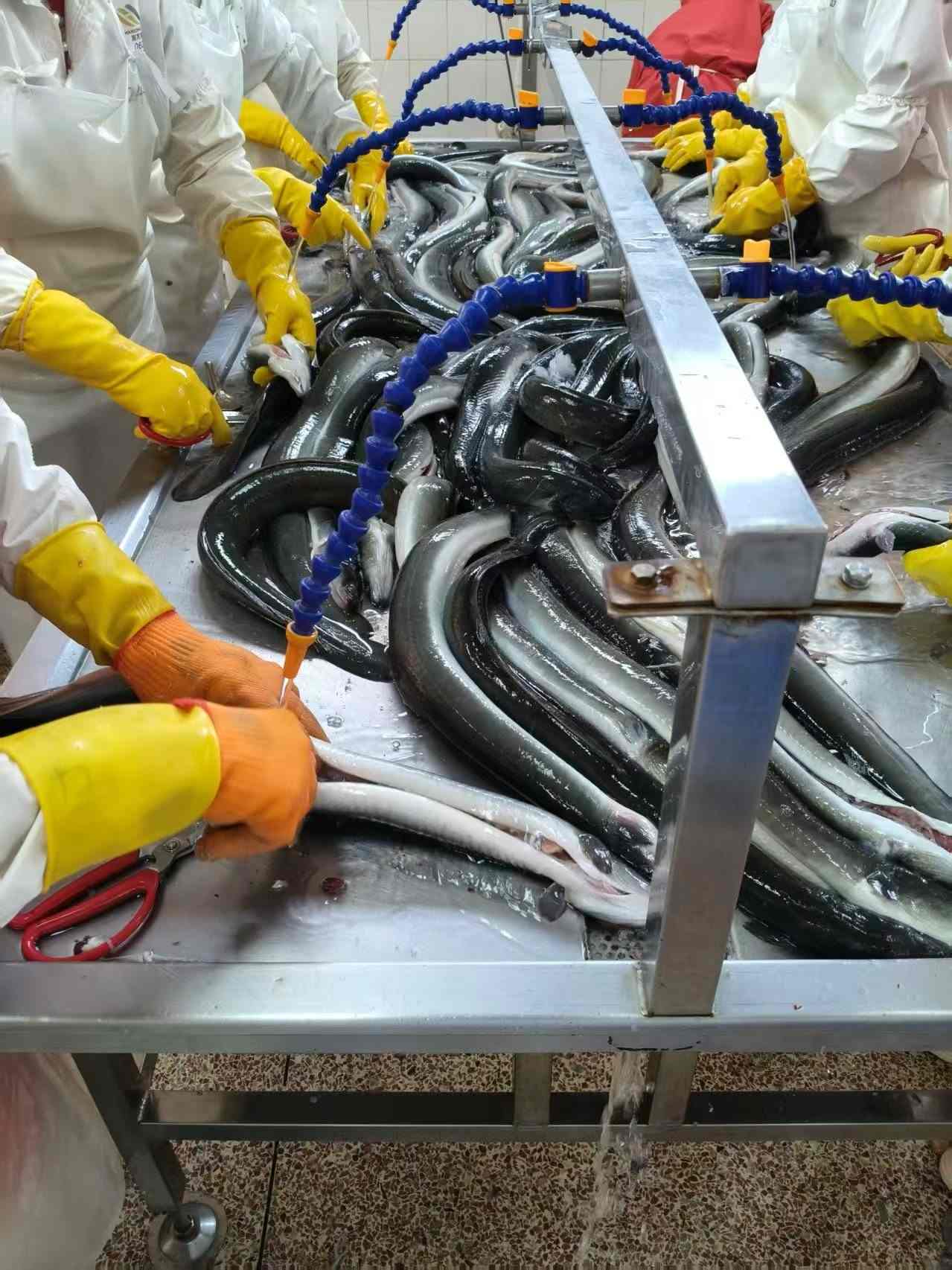
The final taste of an eel sauce, or unagi tare, is determined long before it's bottled. It starts with the quality of the eel and the precision of the roasting process. A superior sauce is often a direct byproduct of a superior unagi kabayaki production line. The roasting drippings, rich with caramelized soy and eel essence, form the flavor base.
Our export-grade roasting process is a perfect example. We use a proprietary 4-layer soy sauce coating technique, with each layer applied at a specific, controlled temperature. This builds a complex, savory flavor that avoids the one-dimensional sweetness of lower-quality sauces. Our patented low-fat roasting and deodorizing technologies further refine the taste, ensuring a clean finish without any undesirable fishiness.
As a Senior Food Safety & Quality Specialist, I oversee this entire system. Our facility is ISO 22000:2018 and HACCP certified, which means we have critical control points at every stage. We use metal detectors and maintain a professional in-house laboratory to test for veterinary drug residues and microbiological indicators, ensuring our products meet stringent import standards for markets like Germany and Poland.

Balancing Sweetness: A Chef's Guide to Modulating Eel Sauce in Sushi
One of the biggest challenges for sushi chefs is that a standard eel sauce taste can be too dominant for delicate ingredients. A sauce perfect for a hearty grilled eel bowl might overwhelm a subtle whitefish or vegetable roll. The solution isn't to find a dozen different sauces; it's to learn how to modulate a single, high-quality sauce.
The key is balancing the sweet and savory profile of the unagi tare with acidic or spicy elements. This creates a more complex flavor profile that elevates the entire dish. Below is a practical guide for pairing our eel sauce product with other ingredients to prevent sweetness from overwhelming your sushi menu.
Comparative Pairing Guide for Eel Sauce
| Ingredient Type | Examples | How It Works | Best For (Sushi Rolls) | Common Mistake |
|---|---|---|---|---|
| Acidic (Citrus) | Yuzu juice, ponzu, sudachi zest | The bright acidity cuts through the richness and sugar, lightening the sauce's profile and adding a fresh aroma. | Rolls with tempura shrimp, crab, or avocado. It's also excellent for drizzling over seared scallop nigiri. | Using too much liquid acid, which thins the sauce and makes it watery. Use zest or a few drops of concentrated juice instead. |
| Acidic (Vinegar) | Rice vinegar, umeboshi paste | A milder acidity than citrus, it adds a gentle tang that complements the fermented notes of the soy sauce base. | Vegetable-forward rolls (cucumber, daikon) or rolls featuring pickled ingredients. | Using sweetened rice vinegar, which just adds more sugar. Opt for a pure, unsweetened variety. |
| Spicy (Pungent) | Freshly grated wasabi, wasabi oil | The sharp, nasal heat of wasabi provides a powerful contrast to the sauce's sweetness, creating a dynamic flavor experience. | Classic unagi rolls, spicy tuna rolls, or any roll with a rich, fatty fish component. | Using imitation wasabi powder (horseradish and mustard), which has a duller heat and can introduce a chalky texture. |
| Spicy (Heat) | Sriracha, togarashi, chili oil | Capsaicin-based heat lingers on the palate, offering a different kind of counterbalance than wasabi's fleeting pungency. | "Volcano" or "Dynamite" rolls, or any fusion roll designed to have a kick. A great pairing with creamy elements like spicy mayo. | Overpowering the dish with heat. Mix a small amount into the eel sauce first to create a spicy unagi tare, rather than applying both separately. |
Sourcing Checklist for Consistent Quality and Supply
For importers and large-scale foodservice operators in markets from Australia to Southeast Asia, consistent eel sauce taste and reliable supply are non-negotiable. An unexpected flavor shift can ruin a standardized recipe, and a supply disruption can halt production. Use this checklist to vet potential suppliers and mitigate risks.

-
Certifications and Compliance: Does the supplier hold internationally recognized certifications?
- Must-Haves: ISO 22000:2018 (Food Safety Management), HACCP. These are fundamental for risk management.
- Market-Specific: HALAL certification for markets like Indonesia. An Export Food Producer Registration Certificate is essential for international trade.
- Our Standard: Eelpro holds all the above, plus an SC Food Production License (SC11135062401122), ensuring our products meet both domestic and stringent export standards.
-
Traceability and Raw Material Control: Can the supplier trace the product from farm to shipment?
- Look For: Vertically integrated supply chains or long-term partnerships with certified farms. Ask about their process for monitoring veterinary drug residues at the source.
- Our Standard: We control our supply chain through 19 self-operated and cooperative certified farming bases. Our full-chain traceability system tracks everything from farming registration and targeted sampling to final processing.
-
Production Capacity and Logistics: Can the facility handle your volume and maintain quality during shipping?
- Key Numbers: Inquire about annual production capacity, cold storage volume, and standard order lead times.
- Our Standard: Our two modern production lines have a 4,000-ton annual capacity. We operate a 1,000-ton cold storage facility to ensure product integrity, with a typical 30-day lead time from order confirmation to shipment.
-
Technical Expertise and R&D: Does the supplier have in-house quality control and technical staff?
- Indicators: An in-house laboratory, dedicated QC personnel, and any patented processing technology.
- Our Standard: Our team includes 25 technical and quality-control specialists. Our patented low-fat roasting and deodorizing equipment is key to creating our signature kabayaki sauce flavor.
Common Mistakes in Commercial Eel Sauce Application
Even with a high-quality product, improper handling in the back-of-house can compromise the eel sauce taste. From my experience guiding clients, these are the most frequent errors I see foodservice staff make.
- Overheating the Sauce: Many chefs heat unagi tare before drizzling it over hot dishes like eel rice bowls. If the sauce is boiled or scorched, the sugars will burn, creating a bitter, acrid taste. The sauce should only be gently warmed to a serving temperature, never brought to a rapid boil.
- Improper Storage and Cross-Contamination: Eel sauce should be stored in a sealed container in a cool, dry place or refrigerated after opening, depending on the formulation. Leaving it open on a prep station for hours can expose it to airborne contaminants and degrade its flavor. Use dedicated, clean squeeze bottles for service and sanitize them daily.
- One-Size-Fits-All Application: Using the same heavy-handed drizzle for every dish is a common mistake. A thick, sweet glaze is perfect for rich, fatty kabayaki eel, but it will completely overpower a delicate piece of hamachi or tai. Train kitchen staff to apply the sauce proportionally to the main ingredient's flavor intensity.
By avoiding these simple mistakes, you can ensure that the carefully crafted flavor of your eel sauce is consistently and properly presented to your customers, protecting both the dish's integrity and your brand's reputation.
For foodservice businesses looking for a reliable supply of premium unagi tare with a balanced flavor profile, our team is ready to help. Contact us to request a sample or discuss your specific product requirements.