

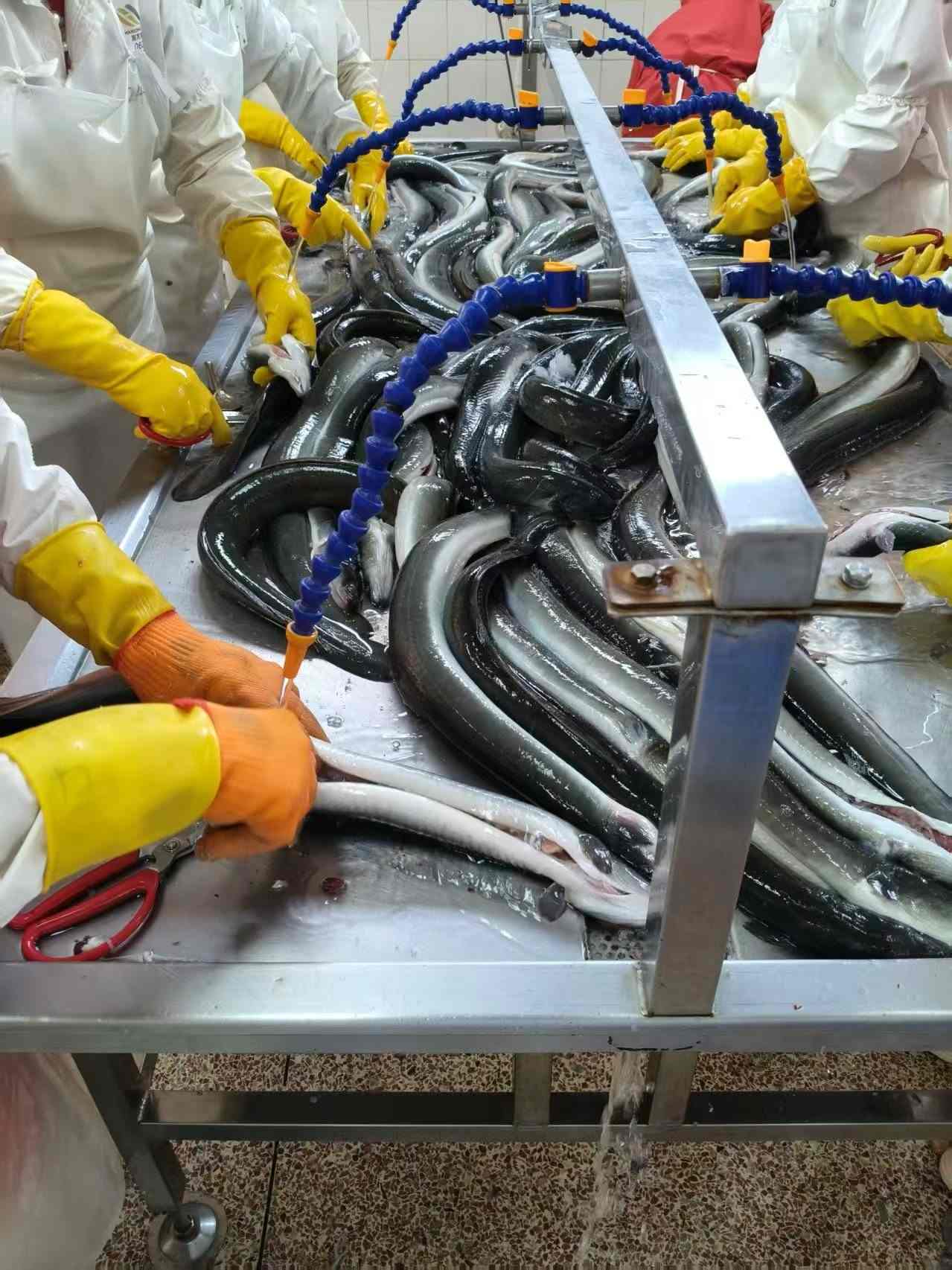
What Does Eel Sauce Taste Like on Sushi and Other Dishes?
Many foodservice buyers and menu planners ask what eel sauce tastes like, often concerned it might have a strong, fishy flavor. The reality is quite the opposite. Authentic eel sauce, also known as unagi tare, is a thick, glistening glaze with a complex flavor profile that is deeply savory, satisfyingly sweet, and rich with umami. It contains no fishy notes. Its purpose is to complement and enhance the rich flavor of grilled eel, not to mimic it.
Understanding the precise balance of an authentic eel sauce taste is critical for sourcing a product that performs consistently on your menu, whether for traditional unagi kabayaki or more creative applications. The difference between a premium sauce and a mediocre one lies in the quality of ingredients and the precision of the production process—factors that directly impact customer satisfaction and kitchen efficiency. As a quality assurance specialist, I've seen how sourcing the wrong sauce can lead to an unbalanced final dish, poor adhesion on the product, or an undesirable texture.
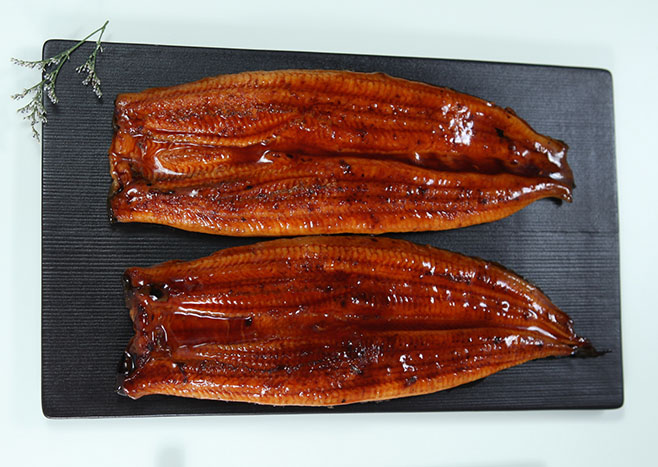
Deconstructing the Flavor Profile of High-Quality Eel Sauce
A well-made eel sauce delivers a multi-layered sensory experience. It should never be one-dimensionally sweet or salty. Instead, each component works in harmony to create a balanced, memorable flavor. The ideal eel sauce taste comes from four key elements, and a failure in any one of these areas results in an inferior product.
Here is a technical breakdown of what defines a high-quality unagi tare flavor profile:
| Flavor Component | Source & Role | What to Look For in a Supplier |
|---|---|---|
| Deep, Savory Umami | Derived from high-quality, traditionally brewed soy sauce. This forms the savory backbone of the sauce, providing a rich, mouth-filling sensation known as umami. | The supplier should use premium soy sauce without excessive chemical additives. A low-quality, overly salty soy sauce will overpower the other notes and lack depth. |
| Balanced Sweetness | Comes from mirin (a sweet rice wine) and sugar. The sweetness cuts through the richness of grilled eel and balances the saltiness of the soy sauce. | The sauce should have a pleasant, rounded sweetness, not a sharp, sugary hit. This is achieved by slow simmering, which allows the sugars to integrate fully. |
| Subtle Caramel & Roasted Notes | Developed during the slow reduction and simmering process. As the sauce thickens, the sugars caramelize, adding layers of complexity and a deep, glossy brown color. | Ask about the cooking process. A rushed production using thickeners like cornstarch will lack these complex caramel notes and may have a starchy, artificial texture. |
| Clean Finish (Not Fishy) | Despite its name, eel sauce is not inherently "fishy." While traditional recipes sometimes use eel bones to create a base dashi for added umami, our modern, controlled process achieves this depth without any fishy aroma or aftertaste. | Ensure your supplier has a refined process that guarantees a clean flavor. At Eelpro, our HALAL-certified eel sauce product page details a formulation focused purely on soy, mirin, and sugar for a universally appealing taste. |
How Production Method Dictates Eel Sauce Taste and Quality
The final taste, viscosity, and stability of eel sauce are not accidental; they are the direct results of a tightly controlled manufacturing process. For international buyers in Germany, Poland, or the United States, sourcing from a facility with verifiable quality systems is the only way to guarantee consistency across large-volume orders. Our facility operates under ISO 22000:2018 and HACCP certifications, ensuring every batch meets the same high standard.
The journey from raw ingredients to finished sauce involves several critical control points. For example, our expertise in producing frozen roasted eel, which involves a patented 4-layer soy-sauce coating process, gives us deep insight into how sauce interacts with protein at different temperatures. This knowledge is applied directly to our unagi tare production. We understand that a sauce for glazing requires different properties than one for drizzling, and we can customize viscosity based on client needs.
Common Sourcing Mistakes that Compromise Flavor
When evaluating suppliers, it's easy to focus on price alone. However, minor savings can lead to significant quality issues. Here are common pitfalls to avoid when sourcing eel sauce for foodservice channels:
- Ignoring Ingredient Provenance: A sauce is only as good as its base ingredients. Using inferior, chemically-derived soy sauce or high-fructose corn syrup instead of sugar and mirin creates a harsh, unbalanced flavor. We insist on full traceability for our core ingredients.
- Accepting Starch-Thickened Sauces: A common cost-cutting measure is to thicken the sauce quickly with starches. This results in a sauce that has a gelatinous, cloudy appearance and a gummy mouthfeel. Authentic sauce achieves its thickness through slow, careful reduction, which concentrates the flavor naturally.
- Overlooking Food Safety Certifications: Sourcing from an uncertified supplier exposes you to risks of contamination and non-compliance with import regulations, such as those for veterinary drug residues in the EU. Our in-house laboratory and strict HACCP protocols mitigate these risks, ensuring our products meet Japan, US, and EU standards.
- Failing to Test Application Performance: Does the sauce cling properly to hot rice and protein? Does it burn too quickly under a salamander or grill? A good supplier can provide a product that is heat-stable and designed for professional kitchen environments.
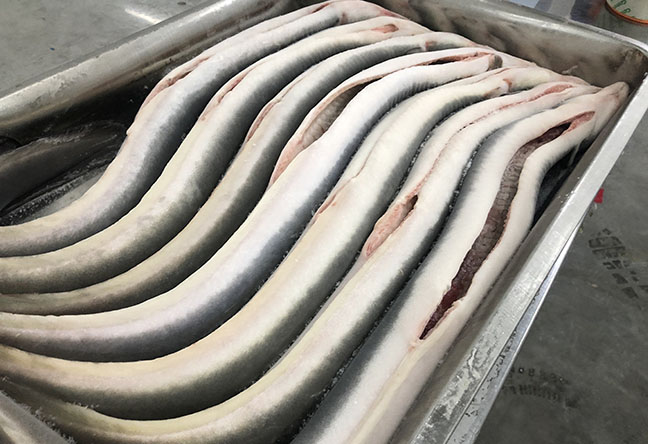
Matching Eel Sauce to Your Menu: A Buyer's Checklist
Choosing the right eel sauce depends on its intended use in your kitchen. Before placing a bulk order, consider these factors to ensure the product meets your operational and culinary needs. This checklist helps our clients in markets from Australia to Indonesia define their requirements clearly.
- Define the Primary Application.
- Glazing & Grilling: For dishes like unagi don or grilled skewers, you need a thicker, more viscous sauce that adheres well to hot surfaces and caramelizes without burning.
- Drizzling & Finishing: For sushi rolls or as a final touch on plated dishes, a slightly thinner sauce with good flow is preferable for presentation.
- Ingredient / Marinade: If using it as a base for other sauces or marinades, a standard, well-balanced profile is more important than a specific viscosity.
- Specify Your Desired Flavor Profile.
While the core taste is sweet and savory, variations exist. Do your customers prefer a sweeter finish, common in some North American markets, or a more soy-forward, savory profile popular in Japan? We can provide samples to help you select the profile that best fits your regional palate and complements your other menu items, like our frozen seafood selections.
- Confirm Packaging and Logistics.
Consider your storage and back-of-house workflow. Do you need large-format containers for high-volume use, or smaller bottles for individual stations? With a 1,000-ton cold storage facility, we ensure product stability and can accommodate various packaging needs, maintaining a stable cold chain from our factory to your port.
- Verify Compliance and Certifications.
Request documentation for food safety certifications like ISO 22000, HACCP, and HALAL. For export, confirm that the supplier has an Export Food Producer Registration Certificate and a proven track record of meeting the standards of your target market. This non-negotiable step protects your business from import delays, rejections, and brand damage.
By working through these points, you can move beyond a simple price comparison and evaluate suppliers based on their ability to deliver a consistent, high-quality product that enhances your menu and streamlines your operations.
The true eel sauce taste is a mark of quality and attention to detail. It is a versatile tool in any professional kitchen, capable of adding depth and appeal to a wide range of dishes, far beyond just the classic eel sushi roll. Getting it right starts with sourcing from a partner who understands the science behind the flavor.
To evaluate our eel sauce quality and discuss how it can fit into your product line, contact our team to request a product specification sheet or a sample.