





Understanding the Sushi Name for Eel and Why It Matters for Importers
As a B2B buyer, specifying your exact product needs is critical. When sourcing eel, using the wrong terminology can lead to incorrect quotes, mismatched products, and disappointed end-customers. If your menu features eel sushi, understanding the correct sushi name for eel is the first step to securing a reliable supply chain. It's not just about one word; it's about distinguishing between species, preparation methods, and final dish formats. Getting this right ensures you source a product that meets your clients' expectations for taste, texture, and quality.
My name is Nancy Chen, and for over 12 years, I've managed food safety and quality for seafood exporters, specializing in eel. I oversee our ISO 22000:2018 and HACCP systems at Eelpro, and I've helped importers across the US, EU, and Japan navigate these complexities. This guide clarifies the essential terms you need to know and what they mean for your business.
Unagi vs. Anago, Kabayaki vs. Unakyu: A Clear Terminology Guide
Many buyers use eel-related terms interchangeably, but they refer to very different things. This confusion can be costly. The most critical distinction is between the species of eel (the raw material) and the name of the dish (the final product). Failure to specify correctly can result in sourcing saltwater eel when you need freshwater, or a simple grilled product when you require a complex glazed one.
Here is a direct comparison to clarify these terms for your next RFQ.
| Term | Type | Key Characteristics | Implication for B2B Buyers |
|---|---|---|---|
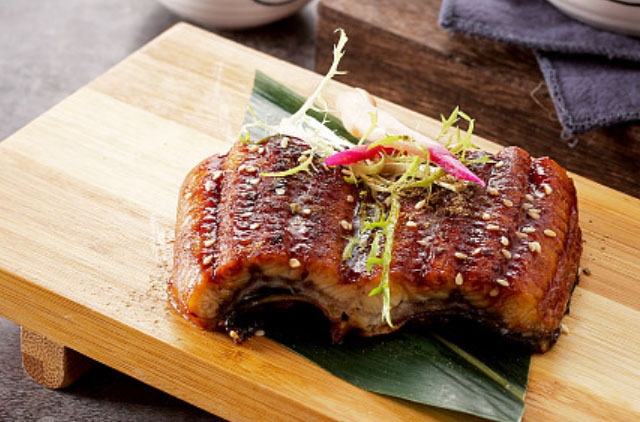
| Unagi (うなぎ) | Species | Freshwater eel (Anguilla japonica). Rich, bold flavor with a higher fat content. Firm yet tender texture. | This is the premium, sought-after eel for classic dishes like kabayaki. When you order unagi kabayaki, you are specifying the high-value freshwater species. |
| Anago (穴子) | Species | Saltwater conger eel. Milder, more delicate flavor with a lower fat content. Softer, fluffier texture. | Often a lower-cost alternative to unagi. If your product spec just says "eel," you might receive anago. Be specific if your market expects the richness of unagi. |
| Kabayaki (蒲焼) | Dish / Preparation | A cooking method where eel (usually unagi) is butterflied, deboned, grilled, steamed, and then glazed multiple times with a sweet soy-based sauce (tare). | This is a value-added, ready-to-heat product. Sourcing kabayaki reduces back-of-house labor. The quality of the glaze and grilling process is a key differentiator. |
| Unakyu (うなきゅう) | Dish / Sushi Roll | A specific type of sushi roll (makizushi) containing unagi and cucumber (kyuri). | This is a final application. As a supplier, we provide the core component—the unagi kabayaki, often in pre-cut sushi slices—for chefs to make unagi rolls like unakyu. You are buying the processed eel, not the finished roll. |
For most international foodservice and retail clients in Japan, the US, and Europe, the target product is unagi kabayaki. This term accurately specifies both the premium freshwater species and the classic, value-added preparation method they expect.
Sourcing Quality Eel for Sushi: A Checklist for Importers
Once you've clarified the terminology, the next step is vetting your supplier. Consistent quality in eel products doesn't happen by accident. It is the result of end-to-end process control, from the farm to the final shipment. As an importer, a failure in any part of this chain exposes you to quality inconsistencies, safety recalls, and trade risks.
Before placing a large order for frozen roasted eel, use this checklist to evaluate a potential supplier's capabilities.
- Traceability and Farming Standards: Can the supplier trace each batch back to its source? Ask for documentation on their farming bases. At Eelpro, we operate with approximately 20 customs-registered eel farming bases covering over 2,150 mu. This full-chain control allows us to manage water quality, feed, and health from the very beginning, ensuring a high-quality raw material.
- Food Safety Certifications: Are they certified under a globally recognized scheme? Look for ISO 22000:2018 and HACCP certifications. These are not just logos on a box; they represent a systematic approach to identifying and controlling food safety hazards. Our facility also holds HALAL certification and an Export Food Producer Registration Certificate, meeting diverse market needs.
- Processing Technology and Consistency: How do they achieve a consistent taste and texture? Our patented low-fat roasting and deodorizing technology is key. We use a precise, 4-layer soy sauce coating process with strict temperature controls. This creates a product with a rich, balanced flavor and appealing color, shipment after shipment.
- In-House Quality Control: Do they have their own testing capabilities? An in-house eel lab is a strong indicator of a commitment to quality. We have a professional laboratory and 25 dedicated technical and quality-control personnel. We conduct targeted sampling and verification, using metal detectors at critical control points to prevent physical contamination.
- Export Compliance Record: Can they demonstrate experience with your market's specific regulations? Our products are processed to meet the stringent food inspection standards of Japan, the US, and the EU for veterinary drug residues and microbiological indicators. This experience helps our clients, from Japanese restaurant chains to German food importers, avoid costly customs delays and rejections.
How Processing Choices Impact Your Bottom Line
The form factor and preparation level of the eel you import directly affect your or your client's operational efficiency. Raw, unprocessed eel requires significant back-of-house labor for deboning, gutting, and cooking. For most foodservice chains and distributors, sourcing a ready-to-heat product is far more cost-effective.
Our two modern production lines have a combined annual capacity of 4,000 tons, allowing us to offer a range of specifications that reduce labor costs and improve kitchen consistency.
Common Processing Specifications for Foodservice:
- Boneless/Deboned Fillets: This is the standard for unagi kabayaki. It eliminates the time-consuming and skilled task of removing the eel's many fine bones, making it safe and easy for any kitchen to handle.
- Standardized Cutting: We offer custom cutting to match your application. Whether you need precise sushi slices for nigiri, diced pieces for rice bowls (unadon), or shredded eel for toppings, standardized cuts ensure portion control and consistent presentation.
- Ready-to-Heat Packaging: Our products are quick-frozen and often vacuum-sealed or skin-packaged. This preserves freshness and allows for simple reheating via boiling, steaming, or microwaving, drastically cutting down preparation time.
- Sauce and Glaze: The final product includes our signature kabayaki glaze, made from high-quality eel sauce (unagi tare). This removes the need for chefs to develop, balance, and apply their own sauce, ensuring a consistent flavor profile that customers recognize and trust.
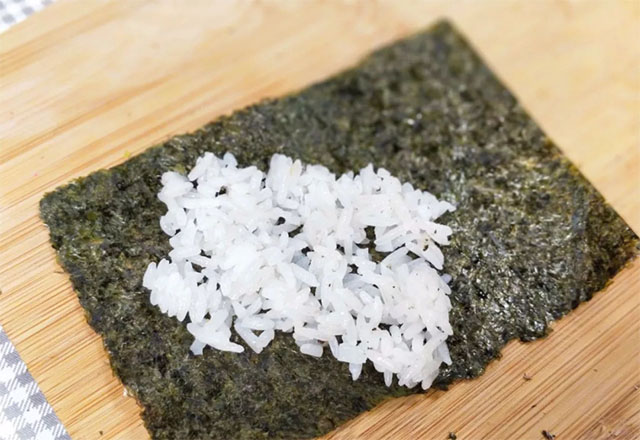
This level of preparation means the product arriving at a restaurant is nearly ready to serve. This is a significant selling point for distributors supplying to catering chains, as it solves major operational pain points like skilled labor shortages and food cost variability. Our 1,000-ton cold storage facility ensures that from production to shipment, the product's quality is maintained within a stable cold chain.
By partnering with a frozen eel supplier that understands these foodservice needs, you provide more than just a product; you provide a solution that improves your clients' efficiency and profitability. We've successfully supported clients with these needs across Southeast Asia, Australia, and Poland, adapting our specifications to fit local menu applications.
Understanding the correct sushi name for eel is your first step. The next is choosing a supplier who can deliver on the promise of that name with certified safety, traceable quality, and processing that fits your business model.
To discuss your specific product specifications for unagi kabayaki and receive a customized quote, please contact our export team.
 WhatsApp
 sales@chinaeels.com
 +8619937922411