





What Is Eel in Japanese and Why the Answer Changes by Species
You're staring at a Japanese menu. It lists both "unagi" and "anago" under seafood. Both get translated to "eel" in English. So which one do you order — and are they even the same fish? Short answer: no. What is eel in Japanese depends entirely on which species you mean, because Japanese has separate, specific words where English uses one blanket term.
For diners this is a curiosity. For food buyers sourcing frozen unagi kabayaki, eel sauce, or freshwater eels for a menu program, mixing up these terms can mean the wrong species arrives, the wrong HS code gets filed, or a supplier substitutes a cheaper fish without you noticing. Let's sort out the vocabulary properly.
The Short Answer — And Why It's Incomplete
English speakers default to "eel" for almost anything long, scaleless, and swimming. Japanese menus don't work that way. Three words show up regularly, and each refers to a different animal with different texture, fat content, and cooking method.
| Japanese Term | English Meaning | Species | Typical Preparation |
|---|---|---|---|
| Unagi (うなぎ) | Freshwater eel | Anguilla japonica | Kabayaki (grilled, soy-glazed), unadon rice bowls |
| Anago (穴子) | Conger eel (saltwater) | Conger myriaster | Simmered or lightly grilled sushi topping |
| Hamo (鱧) | Pike conger | Muraenesox cinereus | Blanched, seasonal summer dish in Kansai region |
Notice that Anguilla japonica, the Japanese freshwater eel, is the species behind almost every product labeled "unagi" — including the frozen unagi kabayaki most export buyers are actually looking for. Anago and hamo are unrelated saltwater species that happen to share the English word "eel" purely by translation convenience.
When Do Japanese Menus Use Unagi vs Anago?
This is the question that trips up most first-time buyers and diners. Here's a direct, FAQ-style breakdown.
Is unagi the same as anago?
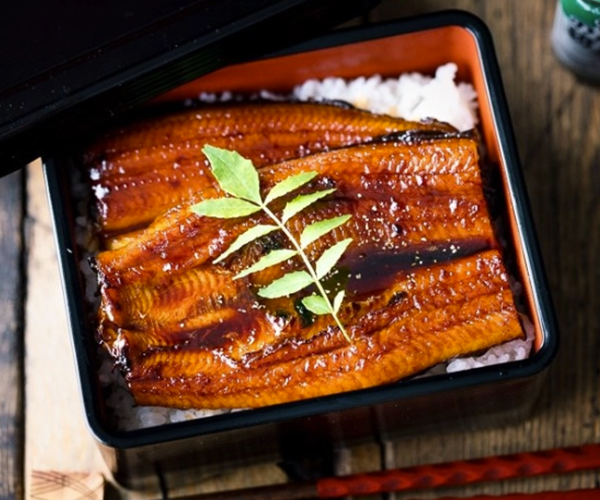
No. Unagi is freshwater, richer in fat, and almost always served hot off the grill with a thick soy glaze. Anago is saltwater, leaner, milder, and more often served slightly warm or at room temperature over sushi rice. They are biologically different families of fish, not regional names for the same catch.
Can anago replace unagi in a kabayaki dish?
Not really, and menus that try this usually disappoint regular unagi eaters. Kabayaki relies on unagi's higher fat content to survive repeated basting and grilling without drying out. Anago's leaner flesh breaks down differently and produces a softer, less caramelized result. If a supplier offers "eel kabayaki" without specifying species, ask directly which one it is — this single question prevents most mislabeling disputes.
Why do sushi menus list both separately, with different prices?
Because sourcing costs differ. Unagi farming is more capital-intensive, and quality freshwater eel commands a higher price than wild-caught conger. A menu that prices them the same is worth double-checking before ordering.
Does "eel" on an English-language product label always mean unagi?
Usually, in the context of frozen kabayaki products — but not always. Some import listings use "eel" loosely for anago-based sushi toppings too. This is exactly the ambiguity that causes confusion at customs and in restaurant supply contracts. When in doubt, request the Latin species name on the specification sheet, not just the English common name.
Common Mistakes When Ordering or Sourcing "Eel"
- Assuming "eel" always means unagi. It doesn't — always confirm species before placing a purchase order.
- Ordering anago expecting kabayaki-style richness. Anago is leaner; if your menu photo shows a thick glazed fillet, you want unagi.
- Ignoring the Latin name on customs paperwork. Freshwater and saltwater eels can fall under different HS codes and residue testing requirements.
- Confusing unadon with anadon. Both appear on Japanese menus; one is freshwater eel over rice, the other is conger eel over rice — visually similar, texturally different.
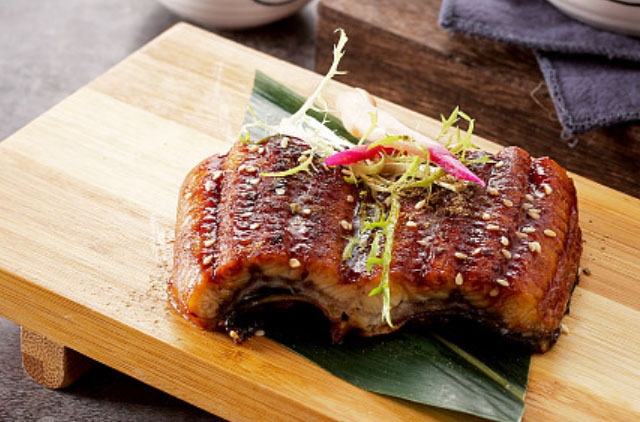
- Trusting a supplier's photo alone. Grilled color and glaze can look nearly identical between species; species verification needs paperwork, not just images.
How to Verify Eel Species Before You Order or Import
For restaurant buyers and importers, this is where "what is eel in Japanese" stops being trivia and becomes a sourcing safeguard. Follow this sequence before confirming any order:
- Request the Latin binomial name on the product spec sheet — Anguilla japonica confirms true unagi.
- Check the HS code quoted on the commercial invoice matches freshwater eel classifications, not mixed seafood categories.
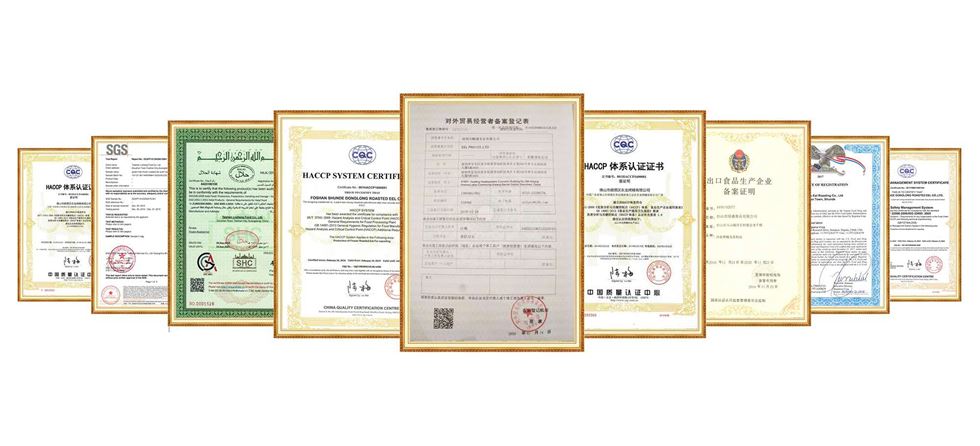
- Ask for certification documents — ISO 22000, HACCP, and export food producer registration are baseline indicators of a controlled supply chain.
- Request a traceability reference back to the farming base. Suppliers with customs-registered farming bases can usually provide this within a day.
- Confirm the cutting and packaging spec matches your menu use — skewers, cut pieces, or sushi slices are not interchangeable in a kitchen workflow.
Buyer's Decision Checklist
| Question | Why It Matters |
|---|---|
| Does the spec sheet name Anguilla japonica? | Confirms true freshwater unagi, not conger or pike conger |
| Is the roasting process documented (soy-sauce layering steps)? | Affects color consistency and flavor depth batch to batch |
| Is cold-chain storage capacity disclosed? | A facility with dedicated cold storage reduces thaw-refreeze risk in transit |
| Are residue and microbiological test standards named? | Japan, US, and EU each apply different veterinary drug residue thresholds |
Sourcing Kabayaki Eel for Foodservice or Retail — What the Label Should Tell You
Once you know the species question is settled, the next layer is process transparency. A frozen unagi kabayaki label or spec sheet worth trusting should show where the fish was raised, how it was processed, and what quality checks it passed. Eelpro, for example, runs full-chain traceability across eel farming bases registered with customs, covering over 2,150 mu of production area, before the eel ever reaches the roasting line.
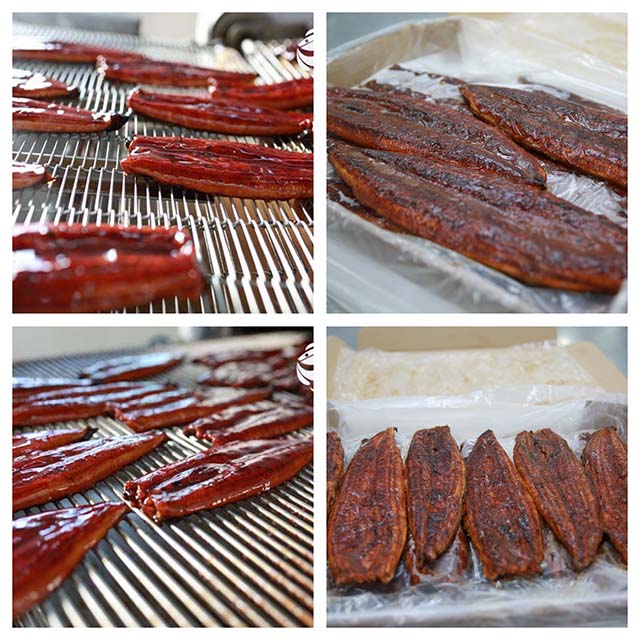
The roasting process itself matters for consistency. A four-layer soy-sauce coating with temperature-controlled steps produces the deep, even color buyers expect from proper kabayaki — a very different result from a single quick glaze. Products are tested through an in-house laboratory and metal detectors at critical control points, which matters most for foodservice buyers who need deboned, ready-to-heat portions with minimal back-of-house handling.
The accompanying eel sauce (unagi tare) is worth checking separately too — glaze quality varies as much as the eel itself, and a thin or overly sweet sauce can undercut an otherwise good fillet. If you're building a menu around grilled eel, it helps to read up on how a properly balanced kabayaki sauce is layered before you finalize a supplier.
For teams handling raw product in-house rather than pre-cut portions, a step-by-step cleaning, skinning, and deboning guide saves real kitchen time and reduces waste from inconsistent cuts.

Scenario — Choosing Between Unagi and Anago for a New Menu Item
Say a restaurant group is adding a grilled eel rice bowl and a cold sushi eel roll to the same menu. For the rice bowl, unagi is the right call — its fat content holds up under repeated grilling and glazing, and diners expect that richness in a hot dish. For the sushi roll, anago's milder flavor and softer bite fit better with rice and nori, and it won't overpower other roll ingredients. Ordering unagi for both dishes isn't wrong, but it raises ingredient cost unnecessarily on the roll where anago's lighter profile actually performs better.
This kind of species-matched decision only works if the sourcing documentation is accurate in the first place — which loops back to why "what is eel in Japanese" isn't a one-word answer, and why spec sheets, not menu translations, should guide a purchase order.
If you're evaluating a frozen unagi kabayaki or eel sauce supplier for an upcoming menu launch, request a spec sheet and species verification document before sampling — it's a quick way to confirm you're sourcing exactly what your menu promises.

 WhatsApp
 sales@chinaeels.com
 +8619937922411