

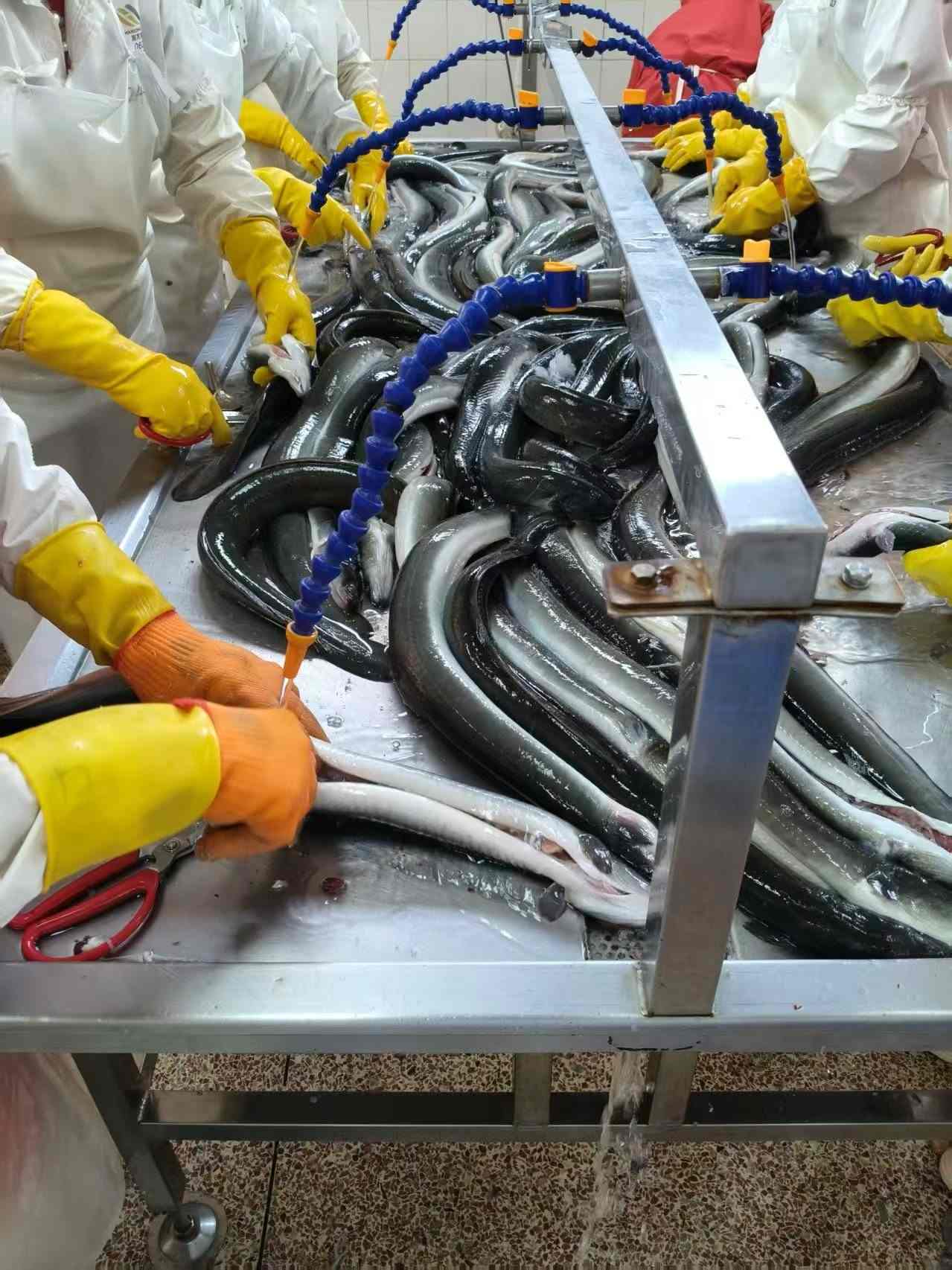
What eel sauce is and why it belongs on more menus
What eel sauce is can surprise first-time diners: the glossy brown drizzle on sushi often contains no eel at all. It matters to buyers because one sweet-savory sauce can connect sushi rolls, grilled seafood, rice bowls, and noodle dishes under one familiar flavor cue.
Picture a warm unagi rice bowl arriving at the table. Steam rises from the rice. The grilled eel has a caramel-colored shine, and a dark sauce pools lightly around the edges. That final layer is often what guests remember. It brings saltiness, sweetness, depth, and a gentle roasted impression to every bite.
For restaurant operators and foodservice buyers, knowing what eel sauce is helps with menu wording, allergen review, pairing decisions, and supplier discussions. At Eelpro Co., LTD, our Technical Team works with buyers looking to pair frozen unagi kabayaki, freshwater eel, frozen seafood, and unagi tare sauce in practical menu programs rather than treating sauce as an afterthought.
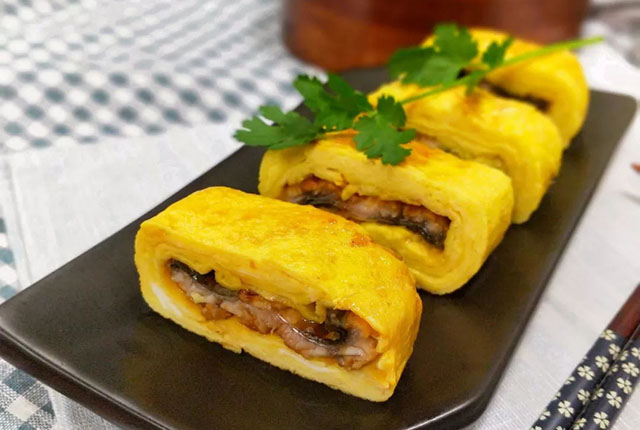
What eel sauce is and how it differs from sauces that sound similar
What eel sauce means in most restaurant settings is a dark, sweet-savory Japanese-style glaze commonly served with grilled eel and sushi. It is also called unagi tare sauce, unagi sauce, kabayaki sauce, or sushi eel sauce. Recipes and commercial formulas vary, so the name alone is not enough for a purchasing decision.
When buyers ask what is unagi sauce, the useful answer is that it is a finishing sauce designed to add cling, shine, and concentrated sweet-salty flavor. It is not simply a dipping sauce. On a hot grilled protein, it can be brushed or drizzled in a controlled amount so the food remains the center of the dish.
A common point of confusion is teriyaki. Both sauces may look similar, but they serve different menu roles. Teriyaki is a broad sauce category used across many proteins and cooking styles. Unagi tare sauce is associated more directly with grilled eel, sushi, and rice-based Japanese menu items.
| Option | Best menu role | Flavor direction | Buyer question to ask |
|---|---|---|---|
| Unagi tare sauce | Unagi kabayaki, sushi, donburi, grilled seafood | Sweet, salty, dark, roasted | Does the flavor support eel without masking it? |
| Teriyaki-style sauce | Chicken, beef, vegetables, general Asian-inspired dishes | Sweet-savory and broad-use | Is the menu seeking a Japanese eel-specific identity? |
| Soy-based finishing sauce | Noodles, dumplings, dipping applications | Salty and savory, usually less glaze-like | Will it cling to hot grilled food? |
| Sweet sushi glaze | Sushi toppings and rolls | Sweet-forward, sometimes lighter in depth | Is it suitable for brush-on grilling as well? |
The differentiator is not just the name on the bottle. What eel sauce offers is a recognizable unagi-style finish that can carry from a signature eel bowl to related seafood and sushi dishes. That supports menu consistency while allowing chefs to vary the base ingredient.
For more product-focused sourcing information, see our eel sauce product page. Buyers planning an eel-centered menu can also review our unagi kabayaki product range.
What eel sauce tastes like on sushi, rice, and grilled seafood
So, what does eel sauce taste like? The short answer is sweet, savory, glossy, and deeply seasoned. The sweetness rounds out the saltiness, while the dark color and cooked profile create a fuller impression than plain soy sauce. It should complement fatty grilled eel especially well, but it also works with rice, vegetables, tofu, and seafood.
The exact eel sauce flavor depends on the formula and how it is applied. A thin drizzle can taste balanced and polished. Too much can make a roll or bowl taste sugary, hide the fish, and leave rice overly wet. Good portion control protects both plate appearance and food cost.
How the flavor changes by application
- On unagi kabayaki: It reinforces the grilled, sweet-savory character and gives the fillet its familiar lacquered look.
- On sushi rolls: It adds a sweet top note that balances cucumber, avocado, crab-style fillings, shrimp, or eel.
- On rice bowls: It seasons plain rice and links toppings into one dish without requiring extra table sauces.
- In noodle dishes: A measured amount adds depth to a broth or dry noodle finish; too much can dominate lighter broths.
- On grilled frozen seafood: It provides a Japanese-style glaze for shrimp, squid, fish, or mixed seafood applications.
At Eelpro, we often advise buyers to taste the sauce with the intended finished dish, not alone from a spoon. What eel sauce tastes like beside warm rice differs from how it tastes on cold sushi or on a charred grilled seafood skewer. Ask your kitchen team to compare these serving contexts before approving a menu standard.

How foodservice teams use eel sauce across a menu
What eel sauce can do for foodservice is broader than finishing a single unagi dish. Its sweet-savory profile gives operators a practical bridge between premium Japanese items and accessible everyday bowls. The goal is not to pour the same sauce everywhere. The goal is to assign a clear role to it in each dish.
Buyers asking how is eel sauce used in foodservice should look at four working methods: brushing, drizzling, tossing, and serving as a controlled side sauce. Each method changes flavor intensity, visual appeal, and portion discipline.
- Brush it on grilled products. Use a brush for unagi kabayaki, grilled fish, tofu, or seafood skewers when you want a polished coated surface.
- Drizzle it after plating. Add visual contrast over sushi rolls, rice bowls, or roasted vegetables without soaking the base ingredient.
- Toss selected toppings lightly. Use this approach for cooked seafood or vegetables intended for a rice bowl, then finish with a small visible drizzle.
- Offer it as a side portion. This suits takeout sushi, bento items, and customers who prefer to control sweetness themselves.
- Write the menu description clearly. Terms such as “sweet-savory unagi glaze” set better expectations than an unexplained “special sauce.”
A practical menu sequence might start with unagi kabayaki over rice, then use the same sauce family on an eel sushi roll, a grilled shrimp side dish, and a vegetable bowl. This makes purchasing easier to coordinate while giving guests distinct eating occasions. Explore our eel rice bowl ideas for topping directions that fit this format.
What eel sauce should not do is replace seasoning judgment. A noodle broth, for example, needs its own balance first. The sauce should provide a finishing accent, not become the entire flavor structure. For pairing ideas around noodle service, see these eel noodle recipes.
Buying checks for unagi tare sauce and menu labeling
Before ordering, foodservice buyers should clarify how what eel sauce means in their own operation. A sushi counter, a central kitchen, and a casual rice-bowl brand can all need a different dispensing method, label statement, and flavor balance.
Start with the physical handling requirement. Most operators want a sauce that is pourable enough to control yet thick enough to cling to cooked food. Request a product sample and test it on the actual menu item. Watch how it spreads on hot eel, whether it stays visible on a sushi roll, and whether it gathers excessively at the bottom of a takeout container.
| Buyer checkpoint | What to confirm | Why it affects service |
|---|---|---|
| Consistency | Brushable, drizzle-friendly, or suitable for side portions | Controls plate appearance and portion use |
| Packaging format | Bottle, pouch, or bulk container options requested from the supplier | Matches front-of-house, prep kitchen, or central-kitchen workflow |
| Ingredient declaration | Full ingredient list and allergen information | Supports accurate customer communication and menu review |
| Menu wording | “Unagi sauce,” “eel sauce,” or “sweet-savory glaze” | Sets a clear guest expectation |
| Pairing test | Test with rice, sushi, grilled eel, and a non-eel item | Shows whether one product can support multiple dishes |
For food labeling, buyers should rely on the supplier’s actual product documents rather than assumptions based on a sauce name. Ingredient lists, allergens, nutrition declarations, and market-specific label requirements need review before import, resale, or menu launch.
A common labeling mistake to avoid
The most frequent guest question is simple: is eel sauce made with eel? Usually, the answer is no. The name generally refers to the sauce served with eel rather than an ingredient made from eel. Still, formulations differ. Never promise that a product is eel-free, gluten-free, or free from any particular ingredient without checking its current product label and supplier documentation.
- Do not assume every dark Japanese-style sauce has the same ingredients.
- Do not label a sauce “teriyaki” if your menu concept specifically calls for unagi tare sauce.
- Do not apply a heavy layer before testing the finished bite with rice or sushi.
- Do not use vague menu language when customers may ask whether the sauce contains eel.
- Do not select packaging before mapping who dispenses the sauce and where it is used.
Cold fact: “Eel sauce” is often a serving name, not a statement that eel is inside. That small distinction can prevent a confusing menu conversation.
Pairing eel sauce with Eelpro products and practical menu ideas
What eel sauce brings to a menu is its ability to make familiar ingredients feel connected. Eelpro Co., LTD supplies frozen unagi kabayaki, freshwater eels, frozen seafood, and eel sauce, allowing buyers to consider matching products for Japanese-inspired menus.
For a signature dish, pair a warm rice base with sliced unagi kabayaki, a measured unagi tare sauce finish, and a fresh or crisp topping selected for contrast. The sauce supplies depth; the topping should add texture or brightness. For sushi service, use it as a visual finishing line over an eel roll rather than burying the roll beneath a thick coating.
Frozen seafood also gives the sauce more uses. Try a grilled seafood bowl with sauce served separately, or use a light brush on cooked shrimp before placing it over rice. This approach lets diners recognize a consistent flavor while the kitchen manages different proteins. Our frozen seafood selection can support those broader menu tests.
What eel sauce works best when the menu has a reason for it: a glaze for grilled food, a familiar sushi finish, or a sweet-savory note in a bowl. Use it with intention, keep labeling honest, and test it in the exact format customers will receive.
Frequently asked questions about what eel sauce means
What is unagi sauce?
What eel sauce is called in Japanese-style menu language is often unagi sauce or unagi tare sauce. It refers to a sweet-savory sauce associated with grilled eel and related sushi or rice dishes.
What does eel sauce taste like?
What eel sauce tastes like is sweet and savory with a dark, cooked flavor profile. It is usually used in a controlled amount because it can quickly become the dominant flavor on mild rice, fish, or vegetables.
How is eel sauce used in foodservice?
What eel sauce does in foodservice depends on the dish: chefs brush it on grilled eel, drizzle it over sushi, finish rice bowls, add a measured touch to noodle dishes, or serve it on the side for takeout.
Is eel sauce made with eel?
What eel sauce is named for does not necessarily describe its ingredients. It is commonly the sauce served with eel, but buyers should always verify the current ingredient and allergen statement for the product they intend to purchase.
Have a preferred use for unagi tare sauce on your menu? Compare it on sushi, rice bowls, and grilled seafood, then share which pairing gives your guests the best response. You can also explore our kabayaki sauce article for more serving ideas.