


Unagi Sauce Substitute Options for Any Dish
Unagi sauce is the glossy, sweet-savory finishing touch that can make a sushi roll or grilled seafood plate feel complete. But when the bottle is empty, the wrong unagi sauce substitute can leave food flat, overly sweet, or too thin. Buyers, chefs, retailers, and home cooks need an option that matches the dish rather than simply adding dark color.
At Eelpro Co., LTD, our Technical Team works with frozen unagi kabayaki, unagi tare, freshwater eels, and frozen seafood for overseas food buyers. We see the same question from different kitchens: which sauce delivers the right balance of sweetness, depth, cling, and easy sourcing? The answer depends on whether you are glazing grilled eel, dressing sushi, finishing noodles, or building a seafood rice bowl.
What an unagi sauce substitute is and how it differs from a simple soy glaze
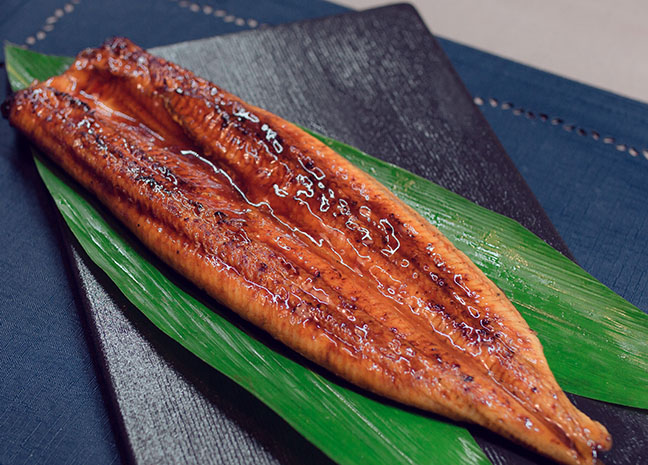
An unagi sauce substitute is a sauce or sauce blend used when traditional eel sauce is unavailable, unsuitable for a menu, or not aligned with a buyer’s preferred flavor profile. Traditional unagi tare is known for a dark sheen, sweet-salty balance, concentrated umami, and a texture that stays on the food instead of running into the plate.
The differentiator is not simply sweetness. A useful unagi sauce substitute must be judged by four purchasing criteria: sweetness, savory depth, thickness, and availability. This definition matters because a sushi counter, a casual rice-bowl shop, and a seafood retailer may need different results from the same sauce category.
| Decision factor | Why it matters | What buyers should check |
|---|---|---|
| Sweetness | Balances grilled, salty, and smoky ingredients | Check whether the sweetness feels clean or heavy on sushi rice |
| Umami | Creates the deep savory character associated with eel sauce | Taste it on plain rice, grilled seafood, and cooked vegetables |
| Thickness | Determines whether sauce coats the surface or pools below it | Brush a small amount onto warm food and observe how it holds |
| Availability | Affects menu consistency and retail replenishment | Confirm regular supply, pack format, labeling, and storage needs |
A soy sauce mixed with a sweet element may look similar, but it can taste sharp and watery. A good unagi sauce substitute should round out the dish, not dominate it. For buyers seeking the familiar original profile, our eel sauce product page provides a direct sourcing route for unagi tare alongside eel products.
Seven practical unagi sauce substitute options compared
The best unagi sauce substitute is not one universal product. It is the option that fits your dish, your customers, and your kitchen workflow. Here are seven practical choices, from ready-made sauces to a flexible homemade approach.
| Option | Sweetness | Umami | Thickness | Best uses | Buyer note |
|---|---|---|---|---|---|
| Teriyaki sauce | Medium to high | Medium | Usually medium | Grilled seafood, rice bowls, chicken dishes | Choose a less watery style for brushing and finishing |
| Sweet soy sauce | High | Medium | Thick | Rice bowls, grilled vegetables, fried snacks | Use lightly because sweetness can mask eel flavor |
| Hoisin sauce | High | Medium | Thick | Fusion wraps, grilled seafood, sandwich fillings | Its spice notes change the Japanese-style profile |
| Oyster sauce | Low to medium | High | Thick | Noodles, stir-fried seafood, vegetable dishes | Add a sweet element if a classic glaze effect is needed |
| Black bean sauce | Low | High | Medium to thick | Grilled fish, noodles, cooked greens | Best for savory menu concepts rather than sushi finishing |
| Barbecue sauce | Medium to high | Medium | Medium to thick | Smoked eel, grilled seafood, casual dining plates | Select a mild version to avoid smoke or spice overpowering eel |
| Homemade soy-based glaze | Adjustable | Adjustable | Adjustable | Sushi, bowls, noodles, grilled seafood | Useful when chefs need control over the final flavor |
Teriyaki is the most familiar unagi sauce substitute for general foodservice use. It is easy for diners to recognize and works well with grilled proteins. Still, a teriyaki sauce substitute is not automatically a direct match for eel sauce. Some versions are lighter, fruitier, or more strongly seasoned than unagi tare.
Sweet soy sauce gives an attractive lacquered look, especially on bowls and grilled items. It is a practical eel sauce alternative when a kitchen needs body and shine. Use restraint. Too much can make sushi rice taste candy-like rather than savory.
For noodle shops and seafood stir-fries, oyster sauce offers more savory depth than a typical unagi sauce substitute. It does not recreate the classic sweet glaze by itself, but it can be the better operational choice for dishes where savory flavor matters more than sushi-style presentation.
Match the unagi sauce substitute to sushi, bowls, noodles, and seafood
A smart unagi sauce substitute decision starts with the food’s texture and serving style. A sauce that works on grilled eel may fail on cold sushi. A thick glaze that looks beautiful on a rice bowl can bury delicate seafood.
- Sushi rolls: Choose a smooth, moderately thick glaze with balanced sweetness. Apply it as a finish, not as a soaking sauce. For menu inspiration, see our eel sushi roll recipe.
- Rice bowls: Use teriyaki sauce, sweet soy sauce, or a homemade unagi sauce alternative. These sauces should coat grilled protein and still blend pleasantly with steamed rice.
- Noodles: Favor oyster sauce or a lighter soy-based blend. Noodles need a sauce that distributes well instead of forming a heavy cap on top.
- Grilled seafood: Teriyaki, barbecue sauce, and a homemade glaze all work. Select the flavor based on whether the menu direction is Japanese-style, smoky, or fusion.
- Frozen unagi kabayaki: Use an unagi sauce replacement that supports the eel’s grilled aroma. Heavy spice blends can hide the flavor customers expect from kabayaki. Explore our unagi kabayaki product for a product-led starting point.
Food fact: Dark color alone does not mean a sauce will taste like eel sauce. A very dark sauce may be salty, bitter, smoky, or bean-forward. Taste is the real test. This is one of the most common buying mistakes when selecting an unagi sauce substitute from a wholesale catalog or retail shelf.
Use a simple tasting procedure before changing a menu sauce
Before replacing a core condiment, test the unagi sauce substitute in the dish customers actually order. A spoon test is not enough. The following process helps foodservice operators avoid inconsistent results across sushi, bowls, and grilled seafood.
- Define the dish target. Decide whether the sauce should add shine, sweetness, savory depth, or all three.
- Prepare a control plate. Use your current eel sauce or preferred tare when available, so the team has a reference flavor.
- Test each candidate on warm food. Brush it on grilled eel, seafood, or vegetables. Then test it on plain rice to identify excess salt or sugar.
- Check surface behavior. Watch whether the sauce clings, spreads evenly, or pools at the bottom of the bowl.
- Review the aftertaste. Ask whether the flavor supports the protein or leaves a strong smoke, spice, or fermented-bean finish.
- Choose by menu role. A sushi finishing sauce, noodle sauce, and grilled seafood glaze do not have to be the same product.
For operators building an eel-focused menu, use the sauce alongside the protein rather than treating it as an afterthought. Our kabayaki sauce article explains why glaze selection affects the final character of grilled unagi.
Avoid common mistakes when choosing an eel sauce alternative
An unagi sauce substitute can save a service when stock changes, but poor selection creates customer complaints quickly. Avoid these common errors.
- Choosing only by color: Dark sauces are not always sweet-savory. Compare flavor, thickness, and finish before buying.
- Using hoisin on delicate sushi: Hoisin can work in fusion dishes, but its stronger seasoning may overpower mild fish or simple cucumber rolls.
- Using thin teriyaki as a glaze: A thin sauce can run off hot food and make rice soggy. Test how it behaves after brushing.
- Ignoring sweetness balance: Sweet soy sauce can be useful, but it may need a more savory partner for grilled eel or seafood.
- Changing sauce without staff tasting: Servers and kitchen teams should know whether the new unagi sauce replacement tastes sweeter, saltier, or more smoky than the previous sauce.
- Forgetting the product label: Retailers should review ingredients and allergen information before presenting a new sauce option to customers.
For a homemade unagi sauce alternative, keep the goal clear: smooth texture, sweet-savory balance, and a finish that belongs on the dish. Do not try to make one blend perform every job. A noodle sauce may need easier flow, while a sushi glaze should stay neatly on the roll.
Answers to buyer questions about unagi sauce replacement
What is the best unagi sauce substitute?
The best unagi sauce substitute for most kitchens is a teriyaki-style sauce with enough body to coat grilled food. It is widely understood by customers and works on rice bowls, seafood, and cooked proteins. For sushi or kabayaki, a dedicated eel sauce remains the closest flavor reference. For noodles, oyster sauce or a lighter soy-based blend may give a better result.
How to replace unagi sauce in sushi?
To replace unagi sauce in sushi, use a smooth, moderately thick teriyaki-style glaze or a carefully balanced homemade blend. Apply a light finish after the roll is assembled. The unagi sauce substitute should add shine and savory sweetness without flooding the rice or masking the filling. Test it on a single roll before changing a full service batch.
Which sauce can replace eel sauce?
Teriyaki sauce, sweet soy sauce, hoisin sauce, oyster sauce, barbecue sauce, black bean sauce, and a homemade soy-based glaze can all replace eel sauce in the right setting. The correct unagi sauce substitute depends on the dish. Choose teriyaki for broad menu use, sweet soy for glossy bowls, oyster sauce for savory noodles, and a homemade glaze when the kitchen needs closer flavor control.
Have a favorite sauce pairing for eel, sushi, or grilled seafood? Share the dish idea with your team and compare it against these options in a small tasting session. For more serving ideas, browse our eel rice bowl toppings guide and explore new ways to present unagi on the menu.