





What Fish Don't Have Bones for Easy Eating at Home and in Foodservice
A beautiful fish dinner can lose its charm fast when someone bites into a sharp bone. If you are asking what fish don't have bones, the short answer is simple: almost no fish sold for eating are naturally bone-free. The better question is which species have fewer troublesome bones, and which cuts have already had the bones removed.
That distinction matters. A whole fish may look impressive on the table, but a boneless fillet is often the smarter choice for children, older diners, quick lunches, sushi counters, catering trays, and busy restaurant kitchens.
Start With the Real Meaning of What Fish Don't Have Bones
People searching what fish don't have bones usually mean one of three things: fish with a simple bone structure, fish with few fine bones, or seafood sold in a boneless prepared format. These are not the same thing.
Most edible fish have a fish skeleton that includes a backbone, ribs, fin rays, and smaller bones around the flesh. Even fish that seem easy to eat, such as cod or tuna, are not naturally boneless. They are simply easier to fillet because their bones are larger or less scattered through the meat.
There are also cartilaginous fish, such as sharks and rays. They do not have a skeleton made of true bone in the same way as bony fish. Yet that does not automatically make them the best option for easy eating. Their cartilage, skin, texture, and market acceptance may create different preparation issues.
So, when deciding what fish don't have bones, use this practical rule: choose a professionally filleted, deboned, or portioned product when bone safety and eating comfort matter more than serving a whole fish.
- Choose naturally simple fillets when you cook from raw fish and can inspect the flesh yourself. Cod, pollock, tuna, and salmon fillets are common choices.
- Choose processed boneless products when serving children, elderly guests, takeaway customers, or high-volume foodservice. The benefit is more predictable eating quality.
- Do not assume “fillet” means fully boneless. A fillet may still contain pin bones or rib bones unless the supplier states otherwise.
The limit is clear: no supplier should promise that every raw fish portion is naturally free of all skeletal material unless a defined bone-removal process and inspection standard support that claim.
Comparison of Skeletal Structure, Rib Bones, and Pin Bones Across Common Fish Species
The answer to what fish don't have bones becomes much clearer when you compare the bone patterns that affect eating. Rib bones sit around the belly cavity. Pin bones are thin, flexible bones that often remain in a fillet after the backbone has been removed. Small intermuscular bones can be especially frustrating because they may be scattered through the flesh.
| Fish species or product type | Skeletal structure in eating portions | Rib bone pattern | Pin bone pattern | What this means for buyers and cooks |
|---|---|---|---|---|
| Cod | Large central backbone; fillets are relatively easy to separate | Usually concentrated in the belly area | May remain unless removed during trimming | A good choice for simple fillets, but check the belly section before serving children. |
| Pollock | Similar practical eating profile to other whitefish fillets | Ribs are mainly near the belly | Fine bones can remain in lower-cost or lightly trimmed portions | Fits fish cakes, battered portions, and prepared dishes when the supplier provides a boneless specification. |
| Salmon | Soft flesh with a central backbone removed during filleting | Ribs can be trimmed out | Pin bones are common along the upper fillet line | Easy to eat after pin-bone removal; unsuitable for a “boneless” menu claim if this step is skipped. |
| Tuna | Dense muscle sections separated from larger bones | Few rib-related issues in trimmed loin portions | Usually less of a concern in loin cuts | Useful for sashimi, steaks, and bowls, but buyers should specify loin grade and trimming method. |
| Catfish | Backbone and strong fin spines; flesh is commonly sold as fillets | Ribs are present but can be removed during filleting | Generally fewer fine pin-bone complaints than some freshwater species | A practical option for fried fillets, though fin spines make whole-fish handling less suitable for beginners. |
| Freshwater eel | Long backbone with many fine bones in unprocessed fish | Fine bones are part of the eating challenge | Small bones require skilled preparation | Choose professionally processed, deboned eel rather than whole raw eel for easy eating. |
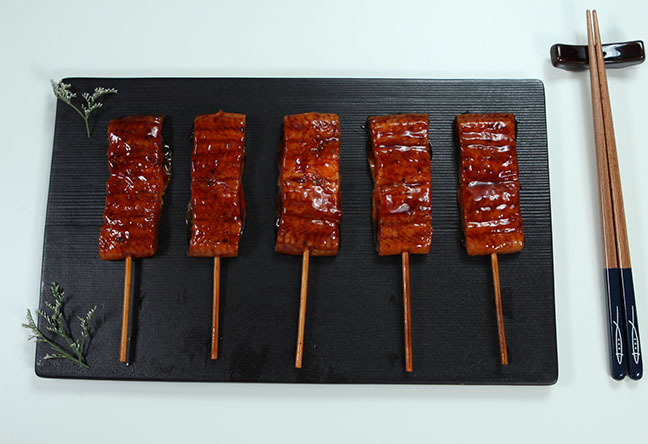
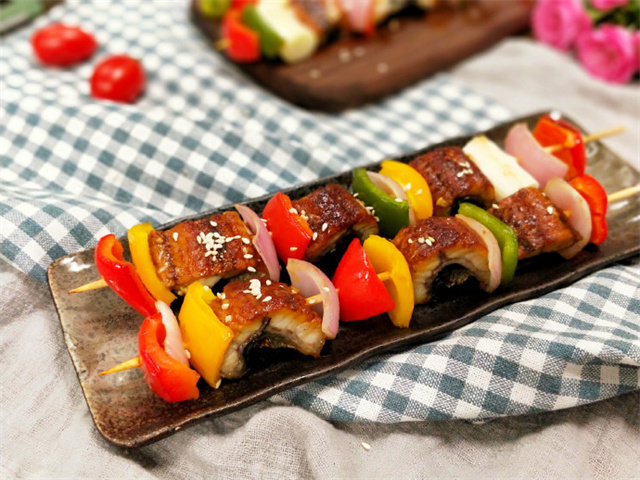
| Unagi kabayaki | Prepared eel product made from filleted eel | Bone handling is addressed during processing | Designed for convenient eating after professional preparation | Best suited to rice bowls, sushi, and foodservice menus where a ready-to-heat format is preferred. |
If you are comparing what fish don't have bones for a family meal, cod, pollock, tuna, and carefully prepared salmon are often easier than fish with many fine bones. If you are sourcing for a restaurant, “easy to eat” should be written into the product specification rather than left to assumption.
Cold fact: a fish can have no visible bones on the surface and still contain pin bones deeper in the flesh. This is why chefs often run clean fingers along a salmon fillet before cooking. A smooth surface does not replace a proper bone check.
Why Boneless Prepared Eel Is Different From Raw Eel
Freshwater eel is not the answer many people expect when they ask what fish don't have bones. Raw eel has a long skeleton and fine bones that require experienced handling. But professionally prepared eel can become one of the easiest seafood choices to serve.
Unagi kabayaki is made from prepared eel that is grilled and coated with sauce. For home cooks, it removes much of the difficult trimming work. For foodservice buyers, it helps reduce back-of-house handling and supports more consistent portion presentation.
Eelpro Co., LTD uses an export-grade roasting process with four precise soy-sauce coating layers and temperature-controlled roasting steps. The company also has patented low-fat roasted eel processing and deodorizing technology. These details matter because a boneless prepared product still needs to deliver the expected flavor, appearance, and texture after heating.
For buyers researching what fish don't have bones, prepared eel is a better category to consider than whole eel. It does not mean eel is naturally boneless. It means the product format can be selected to reduce bone-related dining problems.
Eelpro supports standardized cutting options including shredding, dicing, strip-cutting, chunk-cutting, three-section cuts, and sushi slices. This fits different menu uses:
- Sushi slices: suitable for sushi counters and rice-based Japanese dishes. They fit best when visual consistency matters.
- Strip-cut eel: suitable for noodle bowls and rice bowls. It works well when customers need easy spoon or chopstick portions.
- Diced eel: suitable for mixed rice, snacks, and prepared foods. It is useful when the eel is one ingredient rather than the center of the plate.
- Chunk-cut eel: suitable for hearty bowls and retail meal kits. It does not fit delicate sushi presentation as well as sliced portions.
For flavor matching, buyers can also review eel sauce options and learn why sauce balance affects grilled eel in this kabayaki sauce article.
Use This Step-by-Step Checklist Before Buying Easy-to-Eat Fish
When the real concern behind what fish don't have bones is safe and relaxed eating, do not select a species by name alone. Follow this buying procedure instead.
- Identify the diner. For young children, elderly diners, and takeaway customers, prioritize professionally deboned portions. For experienced seafood lovers, a carefully inspected fillet may be enough.
- Choose the menu format. Fish tacos, rice bowls, sushi, and noodle soups need different cuts. A thick tuna loin does not perform like flaked pollock or sliced eel.
- Ask what “boneless” means. Request confirmation on whether rib bones, pin bones, and backbone sections have been removed. The word “fillet” alone is not enough.
- Check the cut specification. Ask whether the product is a whole fillet, portion, strip, dice, sushi slice, or shredded format. The wrong cut increases kitchen labor and serving errors.
- Inspect a sample before a larger order. Cook and taste the sample in the intended dish. Bone checks should happen after heating as well as before cooking.
- Confirm cold-chain and compliance documents. This matters especially for importers and distributors handling frozen seafood.
The best answer to what fish don't have bones for a sushi bar may be sliced prepared eel. For a family fish-and-chips meal, a boneless whitefish fillet may be more suitable. For a raw-fish counter, trimmed tuna loin can be a better fit. The species is only half the decision; the cut and processing standard complete it.
Avoid These Common Mistakes When Choosing Fish With Fewer Bones
Buyers often make the same mistake when researching what fish don't have bones: they compare species but ignore preparation. That can lead to poor guest experiences and unnecessary kitchen work.
- Mistake: treating “few bones” as “no bones.”
Choose a product with a stated deboning process if the menu makes a boneless claim. This matters for children’s menus and ready-to-eat retail meals. It does not mean every product can be guaranteed free from every tiny bone fragment. - Mistake: buying whole fish for a speed-focused kitchen.
Whole fish can be attractive, but it adds filleting, pin-bone removal, and waste management. It suits chefs who want tableside presentation or full control. It does not suit kitchens with limited skilled labor. - Mistake: ignoring fin spines.
Some fish have sharp spines even when the meat is easy to fillet. This matters during raw preparation, not only at the dining table. - Mistake: overlooking portion shape.
A boneless fish portion can still be awkward if it breaks apart after heating. Match the cut to the dish, especially for bowls, sushi, sandwiches, and catering trays. - Mistake: choosing on price alone.
A cheaper untrimmed fillet may add labor, slow service, and increase customer complaints. It fits operations with trained fish prep staff, but not every foodservice model.
For frozen supply decisions, review available frozen seafood formats alongside the exact menu use. A product that looks economical per kilogram may cost more after trimming, labor, and waste.
How Foodservice Buyers Can Reduce Bone-Related Complaints
For restaurants, distributors, and caterers, the useful question is not only what fish don't have bones. It is also: “What product format gives diners the least chance of finding an unexpected bone?”
Eelpro has two modern production lines for frozen roasted eel and deep-processed aquatic products, with an annual finished-goods capacity of 4,000 tons. Its 1,000-ton cold storage facility supports product storage and cold-chain logistics. The company operates with ISO 22000:2018, HACCP, HALAL certification, export food producer registration, and an SC Food Production License.
For import buyers, traceability is part of the decision. Eelpro is supported by about 20 customs-registered eel farming bases covering more than 2,150 mu, with traceability controls from registered farming through processing verification, sampling, and shipment tracking. The in-house laboratory and metal detectors support quality-control steps during production. You can also see the company’s eel lab approach before discussing a product specification.
These controls do not mean every fish in the world is free of bones. They help buyers specify prepared eel formats more clearly and source products suitable for easy-eating menus. Eelpro supplies kabayaki eel to Japanese restaurant chains and exports unagi kabayaki and eel sauce to United States food importers. The company also supplies eel products to importers and foodservice channels in Germany, Poland, Australia, Indonesia, and Southeast Asia.
If you are still asking what fish don't have bones, remember the most useful answer: no ordinary fish is automatically trouble-free, but professionally prepared boneless cuts can make eating safer, easier, and more enjoyable.
Share which fish format your household or menu finds easiest to eat, or request a sample and specification advice for prepared unagi kabayaki.
 WhatsApp
 sales@chinaeels.com
 +8619937922411