





Knowing the Other Names for Eel Sauce Can Prevent Costly Sourcing Mistakes
As a quality specialist, I often see confusion among importers over product terminology. You might receive a quote for "Nitsume" from one supplier and "Unagi no Tare" from another. Are they the same product? Usually, but not always. Understanding the subtle but critical differences between the other names for eel sauce is essential for accurate labeling, menu development, and ensuring you source the right product for your market. Misinterpreting these terms can lead to sourcing a glaze that doesn’t meet your customers' flavor expectations or application needs.
At Eelpro, we produce a consistent, high-quality eel sauce (also known as Unagi Tare) that meets stringent export standards for clients in Japan, the US, and the EU. This guide clarifies the terminology to help you make more informed purchasing decisions and avoid common pitfalls.
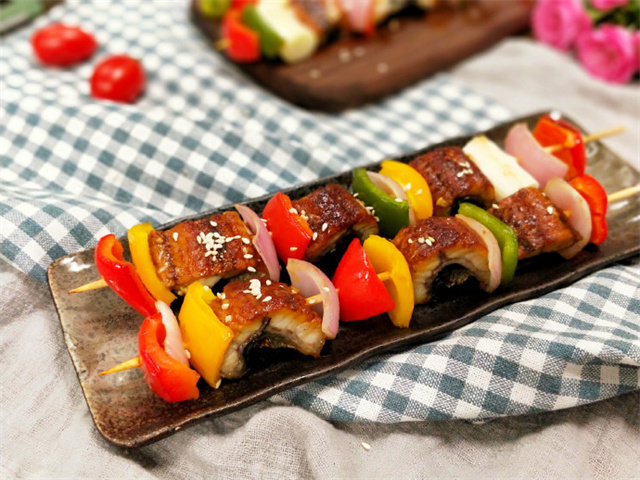
Unagi no Tare vs. Nitsume: A Critical Distinction for Importers
While many in the foodservice industry use these terms interchangeably, they have distinct culinary meanings. For a B2B buyer, this distinction impacts everything from ingredient declarations to marketing. Using the wrong term can be a compliance risk or simply confuse your end-users. The primary difference lies in specificity: one term is precise, while the other is a broad category.
Here’s a direct comparison to guide your sourcing and labeling:
| Term & Context | Primary Ingredients | Common Application | When to Use This Term |
|---|---|---|---|
| Unagi no Tare (うなぎのタレ) | Soy sauce, mirin, sake, and sugar. Often includes eel bones or extract for deeper umami. | Specifically for glazing grilled eel (unagi kabayaki eel). Its viscosity and flavor are balanced for this purpose. | When sourcing or marketing a sauce intended exclusively for eel dishes. This is the most accurate and specific term. |
| Kabayaki Sauce (蒲焼のタレ) | Essentially identical to Unagi no Tare. The term "Kabayaki" refers to the grilling style. | Glazing grilled fish, particularly eel. Also used for other grilled items like chicken or pork. | A slightly more general but still accurate term. It signals the sauce is for a specific Japanese grilling method. Many suppliers, including us, use this term. |
| Nitsume (煮詰め) | Varies. Can be soy sauce, mirin, and sugar. However, it can also be made from simmering fish broth (like conger eel or octopus) until it becomes a thick, savory glaze. | Can be an eel sauce, but is also used for glazing sushi (e.g., anago nigiri) or other seafood where a non-eel-based but similarly thick, sweet-savory glaze is needed. | Use with caution. If a supplier offers "Nitsume," you must request a detailed specification sheet to confirm if it is a standard soy-based eel sauce or a different type of reduced glaze. |
The key takeaway for buyers: "Unagi no Tare" or "Kabayaki Sauce" guarantees a specific flavor profile. "Nitsume" is a functional description meaning "simmered down" or "reduced," and it requires further verification. For our clients in Germany and Poland, clarifying this has been vital for meeting local labeling laws and ensuring their foodservice customers receive a consistent product.
How Sauce Components Affect Performance and Cost
The quality of an eel sauce is not just about taste; it is about performance during application and its stability in storage. As a buyer, understanding the role of each key ingredient helps you evaluate a supplier's product beyond the price tag. Minor changes in formulation can significantly impact how the sauce behaves in a professional kitchen.
Here’s a breakdown of what to look for in a supplier's specifications:
- Soy Sauce (Shoyu): This is the foundation. High-quality, naturally brewed soy sauce provides deep umami and a complex salty flavor. Cheaper, chemically hydrolyzed soy sauces can have a harsh, one-dimensional taste and may contain unwanted additives. Our process uses premium soy sauce as the base for the rich flavor profile demanded by our Japanese restaurant chain clients.
- Mirin: This sweet rice wine adds a mild, natural sweetness and a glossy sheen. Real mirin (hon-mirin) contains alcohol and has a complex flavor. Mirin-style seasonings (aji-mirin) have less alcohol and often contain added sugars or corn syrup. The type of mirin used affects both the final glossiness and the product cost.
- Sake: Adds depth and helps to mellow any harsh flavors from the soy sauce. The quality of the sake contributes to the overall aroma and clean finish of the sauce.
- Sugar: Typically granulated white sugar or brown sugar is used to provide sweetness and aid in caramelization during grilling. The ratio of sugar to liquids determines the final Brix (sugar content) and viscosity, which is a critical parameter for application. A sauce for glazing needs to be thick enough to cling to hot eel without running off.
At Eelpro, our sauce formulation is precisely controlled. We were a high-quality unagi supplier first, and we developed our sauce to perfect our own kabayaki production. It's the same sauce we use in our patented 4-layer coating process, ensuring it delivers the perfect glaze and caramelization under commercial grilling conditions. This is verified in our in-house eel lab of Eelpro Co., Ltd to ensure batch-to-batch consistency.
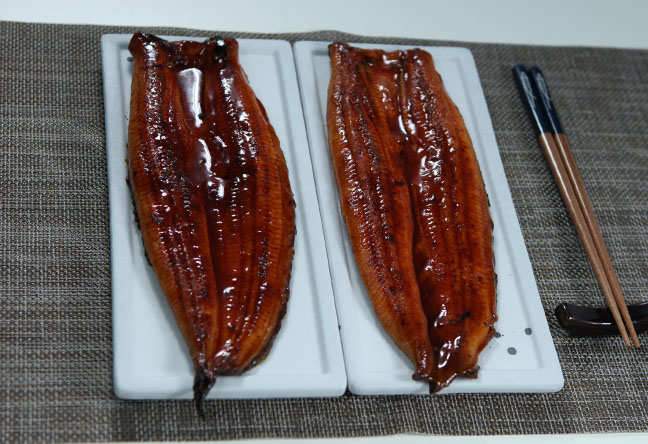
Buyer's Checklist: Sourcing Commercial Eel Sauce for Export
Placing an order for pallets of eel sauce requires more diligence than just a taste test. For importers supplying foodservice channels in the United States or retailers in Australia, ensuring product safety, consistency, and compliance is paramount. Use this checklist to vet potential suppliers.
Common Sourcing Mistakes to Avoid
- Mistake #1: Ignoring Certifications. A supplier without internationally recognized certifications like ISO 22000:2018 or a HACCP system poses a significant risk. These systems are not just paperwork; they are proof of a functioning food safety management process. Our facility is certified for both, in addition to holding HALAL certification, which is crucial for markets like Indonesia.
- Mistake #2: Vague Ingredient Specifications. Failing to get a detailed spec sheet for ingredients can lead to inconsistent product. Ask for the type of soy sauce, the Brix level, and a full ingredient list to avoid surprises.
- Mistake #3: Overlooking Production Capacity. A small supplier may offer a great sample but fail to deliver on a large order, causing disruptions in your supply chain. With a 4,000-ton annual finished goods capacity, we can handle sustained, high-volume orders.
- Mistake #4: Not Verifying Traceability. In case of a product recall or quality issue, traceability is non-negotiable. Our supply chain has full-chain traceability, from our ~20 customs-registered eel farming bases to the final packaged product.
When you evaluate a supplier, ensure they can provide clear, documented answers for each of these points. This diligence protects your business from trade risks associated with veterinary drug residues and microbiological contaminants, ensuring smooth customs clearance in demanding markets like the EU and Japan.
Our commitment to quality is why we've become a long-term partner for importers and foodservice distributors across Southeast Asia and Europe. We provide the documentation and consistency needed to build a reliable supply program. For a more in-depth look at our sauce, see Why Our Kabayaki Sauce is the Secret Weapon.
For detailed specifications on our Unagi Tare and to discuss your volume requirements for import, please request a quote from our export team.

 WhatsApp
 sales@chinaeels.com
 +8619937922411