





Is Broiled Eel Worth It for Your Foodservice Menu?
Choosing the wrong supplier for a premium ingredient like broiled eel can lead to inconsistent quality, unpredictable costs, and even import rejections that damage your brand. Before adding unagi to your menu, you need to be certain that the product delivers not just on taste, but also on profitability and operational stability. The key isn't just finding a supplier; it's finding a production partner who mitigates these risks from the farm to the freezer.
At Eelpro, we understand that your decision hinges on clear data. With a 4,000-ton annual capacity and full-chain traceability from our ~20 customs-registered eel farming bases, we provide the supply chain security that global foodservice clients in Japan, the US, and the European Union depend on. This article breaks down the real costs, operational advantages, and critical supplier qualifications to help you make an informed decision.
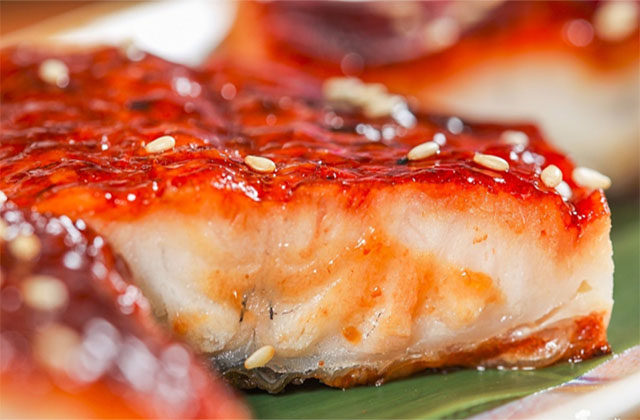
Calculating the True Cost and Profit Margin of Broiled Eel
The menu price is only part of the story. To understand if broiled eel is a profitable addition, you must analyze the complete cost-per-serving. Using prepared frozen unagi kabayaki drastically simplifies this calculation compared to working with raw eel, eliminating variables like yield loss from gutting and deboning. Here is a framework to model your costs.
This breakdown helps you project gross margin with greater accuracy. While some costs vary by location, the product cost from your supplier is the foundation.
Sample Cost-Per-Serving Calculation: Unagi Donburi Bowl
| Cost Component | Example Calculation | Notes & Variables |
|---|---|---|
| Confirmed Cost: Broiled Eel | $25.00/kg purchase price. 100g portion = $2.50 |
This is your primary, fixed cost per serving. Negotiate this based on volume and specifications with your supplier. |
| Confirmed Cost: Eel Sauce | $8.00/L purchase price. 20ml portion = $0.16 |
Using a commercially prepared eel sauce (unagi tare) ensures consistency and controls cost. |
| Estimated Cost: Rice & Garnish | 150g cooked rice ≈ $0.20 Scallions, sesame seeds ≈ $0.10 Total = $0.30 |
These costs are relatively stable but depend on your local supply chain. |
| Estimated Cost: Labor | 2 minutes prep time. At $15/hr wage = $0.50 |
This is dramatically lower than preparing eel from scratch. Ready-to-heat products require minimal skilled labor—just reheating and plating. |
| Total Estimated Cost Per Serving | $3.46 | Your foundational cost before overhead. |
| Example Menu Price | $15.00 | This is your primary variable, determined by your market, restaurant concept, and target margin. |
| Projected Gross Profit Per Serving | $15.00 - $3.46 = $11.54 | This represents an approximate 76.9% gross margin on this specific dish. |
Operational Efficiency: How Prepared Eel Reduces Kitchen Bottlenecks
Beyond direct costs, the biggest impact of using prepared broiled eel is on back-of-house efficiency. Preparing eel from scratch is a skilled, time-consuming process that introduces inconsistency. Sourcing ready-to-heat, pre-portioned eel solves several common operational headaches for restaurant chains and high-volume kitchens.
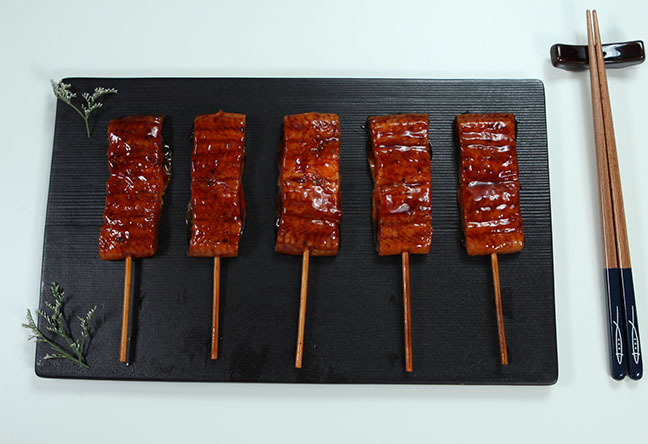
Our process standardizes the product before it ever reaches your kitchen. The eel is deboned, expertly roasted with our patented low-fat technology, and coated precisely four times with soy sauce. This means your team can execute dishes faster and more consistently, even with less experienced staff.
Common Kitchen Problems Solved by Processed Eel:
- Inconsistent Portioning: Manual cutting leads to different portion sizes, affecting both food cost and customer experience. Our custom cutting services (shredding, dicing, sushi slices) deliver exact portions every time.
- High Labor Cost for Prep: Deboning, skinning, and cooking eel from raw requires specialized skills and significant time. Our products are ready-to-heat, reducing prep time from hours to minutes.
- Food Safety Risks: Handling raw seafood increases the risk of cross-contamination. Our HACCP-certified process minimizes these risks, with CCPs like metal detectors ensuring safety.
- Variable Cooking Quality: Achieving the perfect texture and flavor on broiled eel is difficult to replicate consistently across different chefs and shifts. Our standardized 4-layer coating process guarantees the same high-quality taste and appearance in every batch.
- Supply Chain Volatility: Sourcing high-quality raw eel can be seasonal and unpredictable. Our 1,000-ton cold storage facility and partnerships with 19 certified farming bases ensure a stable, year-round supply for our clients.

Supplier Vetting: A Checklist for Avoiding Import Risks
For importers and distributors in the United States, Germany, Poland, and across the EU, supplier compliance is non-negotiable. A failure to meet food safety and veterinary drug residue standards can result in costly container rejections, fines, and reputational damage. My role as Senior Food Safety & Quality Specialist involves guiding clients through these complex requirements, ensuring every shipment is compliant.
As our clients in Japan and Australia know, consistent quality starts long before the production line. It begins at the unagi eeel farm for eelpro co., ltd. Use this checklist when evaluating a potential frozen eel supplier to protect your business.
Supplier Due Diligence Checklist:
- What international certifications do they hold?
Look for globally recognized standards. We are certified for ISO 22000:2018 (Food Safety Management), HACCP, and HALAL, demonstrating our commitment to international best practices. - Can they prove full-chain traceability?
Ask for documentation linking the final product back to the specific farming base. Our system tracks everything from farming registration and targeted sampling to final processing, verified by our in-house eel lab of eelpro co., ltd. - Do they meet your target market's specific import standards?
A supplier must understand the unique requirements for veterinary drug residues and microbiological indicators for markets like Japan, the US, and the EU. Our products are specifically processed to meet these stringent standards. - What is their production capacity and lead time?
Ensure they can handle your volume. Our two modern production lines have a 4,000-ton annual capacity, and a typical order takes approximately 30 days from confirmation to shipment. - Do they have dedicated quality control personnel?
A strong quality team is essential. Our team includes 25 technical and quality-control specialists overseeing every stage of production. - Can they accommodate custom specifications?
Your menu may require specific cuts or packaging. We offer flexible MOQ policies and customization for cuts (dicing, shredding, sushi slices) and packaging (skin-packaging, gift boxes).
Maximizing Menu Versatility with a Single SKU
One of the strongest arguments for adding broiled eel to your offerings is its versatility. A single high-quality product like frozen unagi kabayaki can be the star ingredient in a wide range of dishes, maximizing the return on your inventory investment. By leveraging different cuts and pre-made sauces, you can easily expand your menu without complicating your supply chain.
For example, a standard fillet of our unagi kabayaki manufacturer , frozen eel supplier can be used whole for a classic unagi don, sliced for nigiri sushi, or diced for a fusion-style fried rice. This allows you to create multiple price points and menu categories from one core ingredient.
Here are a few ideas to inspire your menu development:
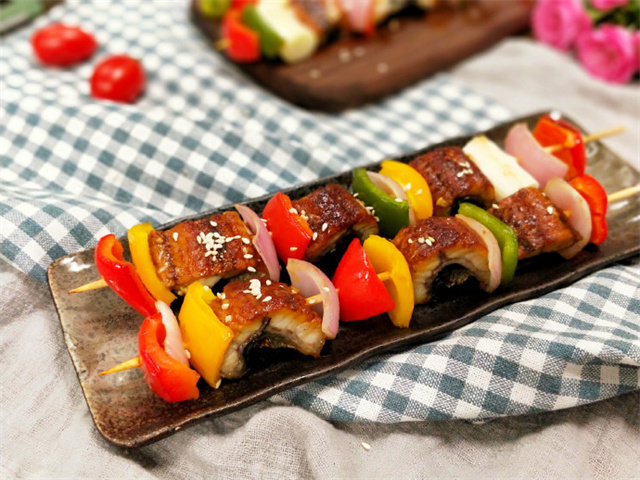
- Appetizers: Small, diced pieces of broiled eel mixed into a savory omelet (Umaki) or served on skewers.
- Sushi & Rolls: Classic unagi nigiri or creative rolls like an eel sushi roll recipe: make unakyu maki, which combines the rich eel with crisp cucumber.
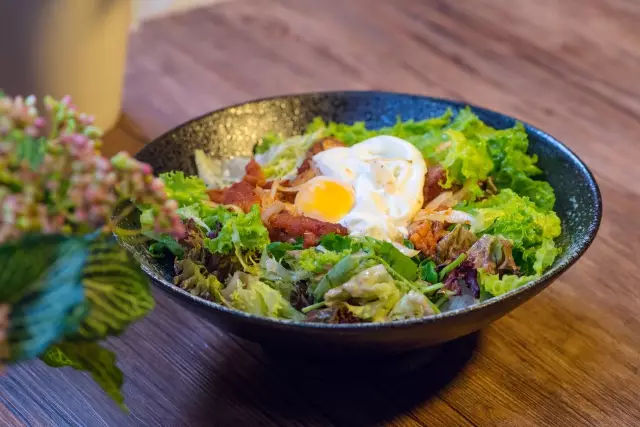
- Main Courses: The traditional eel-over-rice bowl (Unadon), or integrated into noodle dishes like a hearty eel noodle soup.
- Fusion Dishes: Shredded eel as a topping for gourmet pizzas, a filling for tacos, or mixed into pasta dishes for a unique umami flavor.
By partnering with a supplier that offers custom cutting, you can order the exact format you need for each application, further streamlining your kitchen's workflow.
Ultimately, high-quality broiled eel offers a strong combination of high perceived value, excellent profit margins, and operational simplicity when sourced from a certified, reliable partner. It's a premium product that, with the right supplier, is well worth it for a modern foodservice menu.
To discuss your specific product needs or to request a sample for your evaluation, please contact our export team.
 WhatsApp
 sales@chinaeels.com
 +8619937922411