

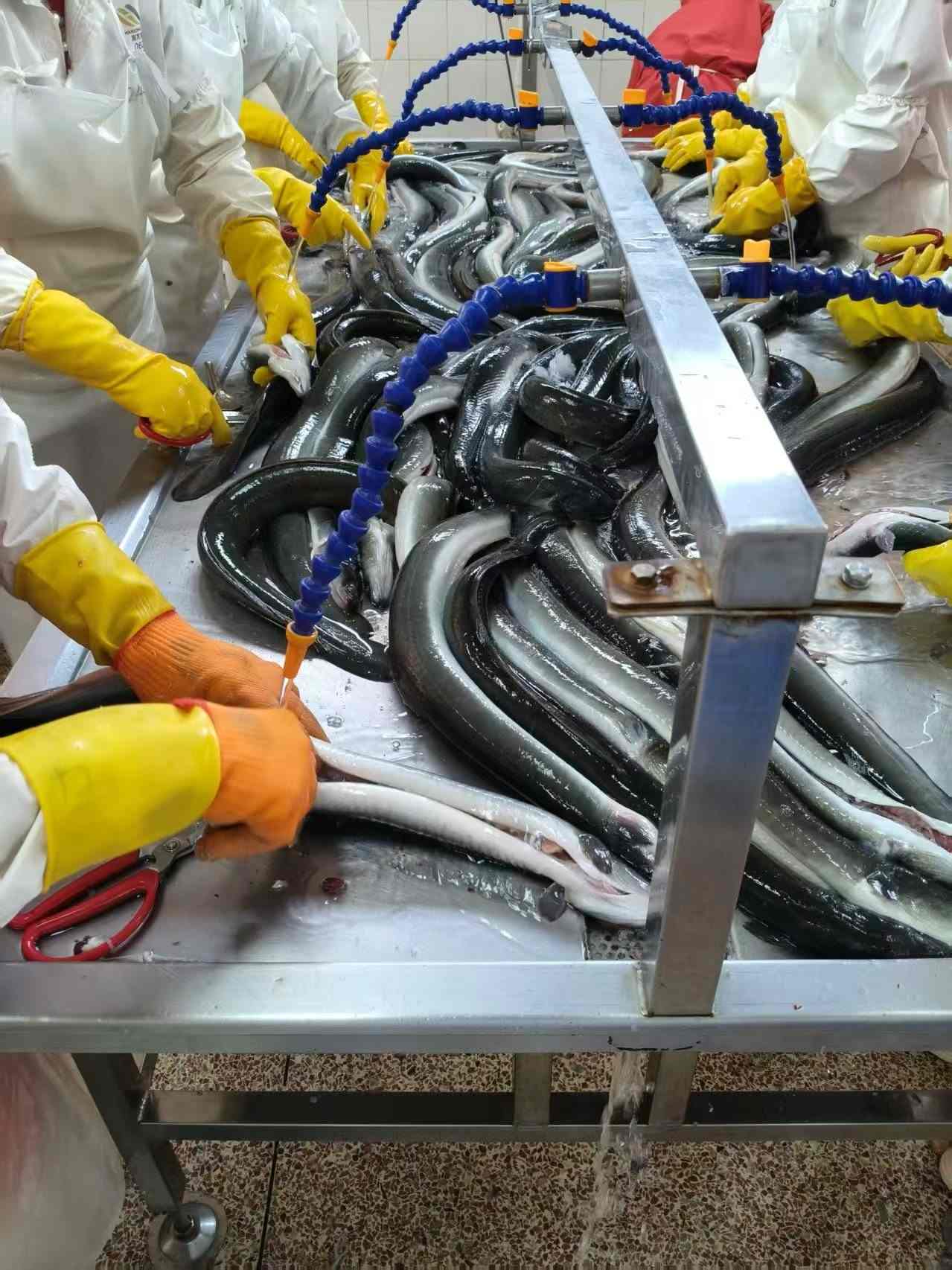
What Is Anago and Why Does This Saltwater Eel Matter in Sushi
At a sushi counter, two glossy eel toppings can look almost identical. One may be rich and smoky. The other may be soft, pale, and gently sweet. So, what is anago, and why should diners and seafood buyers avoid confusing it with unagi?
Anago is a Japanese name for saltwater conger eel, a long-bodied marine fish often served simmered or lightly grilled over sushi rice. It has a delicate flavor, soft flesh, and a lighter eating experience than freshwater unagi. Knowing the difference helps home cooks order wisely and helps buyers build a menu that matches customer expectations.

Species identity, saltwater habitat, and Japanese sushi use
The direct answer to what is anago is that it is a saltwater eel commonly associated with Japanese cuisine. In sushi menus, anago usually refers to the Japanese conger eel, often identified as Conger myriaster. It belongs to the conger eel family and lives in marine waters rather than freshwater farms.
This distinction is not just scientific language. It changes the fish’s flavor, texture, cooking method, and product fit. Anago is usually prepared to highlight tenderness. Unagi is often grilled with a darker, richer sauce and carries a fuller, fattier profile.
| Parameter | Anago | Why It Matters in Practice |
|---|---|---|
| Common Japanese name | Anago | Usually signals saltwater conger eel on a Japanese menu. |
| Typical species identity | Japanese conger eel, commonly Conger myriaster | Species identity affects what buyers should request on specifications, labels, and purchase documents. |
| Habitat | Saltwater and coastal marine environments | Do not assume anago comes from freshwater eel farming systems. |
| Typical sushi preparation | Simmered, sauced, then placed on nigiri rice | The flesh is valued for a tender bite rather than a heavily charred finish. |
| Eating profile | Light, soft, mildly sweet | Fits diners who find grilled freshwater eel too rich or heavily sauced. |
For a diner, what is anago often means “the softer saltwater eel sushi.” For a restaurant buyer, it means checking the product name carefully before planning a Japanese eel menu. Calling a freshwater kabayaki product “anago” can create a mismatch between the menu description and what arrives at the table.
Cold fact: anago and unagi are both called eel in English, but they are not simply two cooking styles of the same ingredient. They refer to different eel types, with different habitats and established roles in Japanese food culture.
How anago differs from unagi on the plate
When people ask what is anago, they are often trying to understand whether it is the same as unagi. It is not. Unagi usually refers to freshwater eel, while anago refers to saltwater conger eel. The distinction becomes obvious once you compare the usual preparations.
| Comparison point | Anago | Unagi | Best fit |
|---|---|---|---|
| Water environment | Saltwater | Freshwater | Use the correct term in purchasing and menu copy. |
| Common Japanese serving style | Simmered and lightly sauced sushi topping | Grilled kabayaki over rice or in sushi | Anago suits a gentler sushi course; unagi suits a richer entrée. |
| Texture | Soft and delicate | Meaty, rich, and more substantial | Choose based on the desired bite and customer preference. |
| Flavor direction | Mild marine sweetness | Full-bodied, smoky-sweet when grilled | Anago works well in restrained seasoning; unagi carries bolder sauces. |
| Typical visual appearance | Often pale beige to light brown after cooking | Often dark and glossy after kabayaki sauce | Appearance alone is not enough for identification. |
The practical conclusion is simple. Choose anago when the menu needs a light, tender sushi topping. Choose unagi when the goal is a richer grilled eel dish with a pronounced roasted aroma and sauce character. Neither is automatically better. They answer different menu needs.
For example, a sushi bar serving nigiri after delicate white fish may prefer anago because it keeps the finish gentle. A casual Japanese restaurant serving rice bowls may prefer grilled unagi because its fuller flavor stands up well to steamed rice. This is where understanding what is anago prevents an expensive menu-planning error.
Eelpro focuses on freshwater eel products, including unagi kabayaki. Buyers looking for roasted freshwater eel should compare unagi specifications directly rather than assuming that anago and kabayaki eel are interchangeable terms.
Why anago is a classic Japanese sushi ingredient
In Japanese sushi, anago is appreciated for softness. The eel is generally cooked before serving, then brushed with a light sweet-savory sauce. It may appear as nigiri, sliced over pressed sushi, or used in sushi rolls. The result is comforting rather than aggressive: warm rice, tender eel, a little sauce, and a clean finish.
So, what is anago in a sushi setting? It is often the final, soothing bite of a sushi meal. Its mild character makes it a useful option for diners who want cooked seafood but do not want the smoky richness of grilled freshwater eel.
The sauce matters, but it should not hide the fish. A heavy, dark sauce can make anago look closer to unagi than it really is. For this reason, experienced sushi chefs often use sauce with restraint and allow the tender flesh to remain the main feature.
Common anago sushi formats
- Anago nigiri: A piece of cooked conger eel placed over vinegared rice, often finished with a light glaze.
- Simmered anago: Eel gently cooked until tender, then sliced for sushi service.
- Anago maki: Eel used in a sushi roll with rice, seaweed, and complementary ingredients.
- Pressed sushi: Prepared eel layered with seasoned rice and formed into neat portions.
Home cooks should not expect anago sushi to behave like a crispy grilled fillet. Its appeal is the soft texture. Overcooking makes the flesh break apart, while too much sauce removes the subtle sweetness that makes it distinctive.

Avoid these mistakes when ordering or buying eel
The most common mistake behind the question what is anago is treating every Japanese eel product as the same thing. That can lead to the wrong order, a menu description problem, or a disappointed customer.
- Mistake: Ordering anago when you want grilled kabayaki.
Choose unagi kabayaki if you want a dark grilled finish, rich flesh, and a sweet-savory glaze. Anago is better for tender sushi-style service. This recommendation does not apply if the supplier uses a local naming convention, so always confirm the species and preparation. - Mistake: Judging by color alone.
A dark glaze can make different eel products look similar. Ask whether the item is freshwater unagi or saltwater conger eel. The label, ingredient declaration, and supplier specification are more reliable than appearance. - Mistake: Using a heavy kabayaki sauce on delicate anago.
Use a lighter application when the goal is traditional anago-style sushi. A fuller sauce profile suits grilled freshwater eel better. This is a flavor guideline, not a fixed rule for every restaurant concept. - Mistake: Writing “eel sushi” without product clarity.
Use “anago” or “unagi” in menu descriptions where possible. Diners familiar with Japanese food may expect different taste and texture from each term. - Mistake: Buying before checking the intended dish.
For sushi nigiri, texture and slice integrity matter. For rice bowls, sauce coverage and roasted flavor may matter more. Start with the menu application, then request the correct product.
For buyers building a freshwater eel program, Eelpro can provide standardized cutting options such as shredding, dicing, strip-cutting, chunk-cutting, three-section cuts, and sushi slices. These formats are designed for practical foodservice use, but they should be specified as freshwater eel products rather than marketed as saltwater anago.
A practical selection checklist for diners and seafood buyers
Use this checklist whenever what is anago becomes a purchasing or menu decision. It is designed for awareness-stage buyers who need a clear first filter before comparing price, packaging, or sauce style.
- Identify the eel type first. Ask whether the product is saltwater conger eel or freshwater eel. Do this before comparing portion size or appearance.
- Match the product to the dish. Select anago for tender sushi applications. Select unagi kabayaki for grilled rice bowls, bento items, and richer sushi preparations.
- Check the preparation state. Confirm whether the eel is simmered, grilled, seasoned, sauced, frozen, sliced, or whole. “Eel” alone is not enough detail for an order.
- Review the sauce plan. A sushi counter may need a restrained glaze. A rice bowl concept may need a stronger kabayaki sauce profile. Eelpro also supplies eel sauce for buyers seeking a separate sauce component.
- Confirm food safety documentation for commercial supply. Export buyers should ask for the documents relevant to their destination and product format. Eelpro holds ISO 22000:2018, HACCP, HALAL certification, export food producer registration, and an SC Food Production License.
- Evaluate traceability before scale-up. For freshwater eel supply, ask how raw materials are controlled from farming through processing. Eelpro works with approximately 20 customs-registered farming bases covering 2,150 mu and applies full-chain traceability from farm registration to shipment.
This checklist is especially useful for importers, restaurant groups, and distributors that sell both sushi ingredients and ready-to-heat eel products. It is less relevant for a diner simply choosing one nigiri piece at a restaurant, where the menu wording and staff explanation may be enough.
Where freshwater unagi fits after you understand anago
Once you know what is anago, comparing it with freshwater unagi becomes much easier. Anago occupies the saltwater, tender-sushi side of the category. Unagi kabayaki occupies the roasted, sauce-forward side.
Eelpro produces frozen roasted freshwater eel and deep-processed aquatic products across two modern production lines with an annual finished-goods capacity of 4,000 tons. Its production process uses four precise layers of soy sauce with temperature-controlled steps, supported by color standards for white-roasted eel and each soy-sauce coating stage. The company also uses patented low-fat roasting and deodorizing technology.
That profile fits buyers looking for consistent frozen unagi kabayaki rather than saltwater conger eel. Products are supported by a 1,000-ton cold storage facility, an in-house laboratory, and metal detectors at critical control points. Export standards are applied to domestic sales as well, with products meeting Japan, United States, and European Union food inspection requirements for veterinary drug residues and microbiological indicators.
Japan-based restaurant chains receive long-term kabayaki eel supply from Eelpro, while food importers in the United States receive unagi kabayaki and eel sauce. The company also supplies eel products to importers and foodservice channels in Germany, Poland, Australia, Indonesia, and Southeast Asia. These references describe freshwater eel supply, not anago supply.
If you are planning an eel-centered menu, keep the wording honest: anago for saltwater conger eel sushi, and unagi for freshwater eel dishes. For serving ideas built around grilled freshwater eel, see this guide to eel rice bowl toppings.
Need help choosing freshwater unagi kabayaki, cuts, or sauce options for your market? Request selection advice or a product specification from Eelpro.