


What Is Eel Sauce Called in Japan, on Sushi Menus, and on US Grocery Labels
You've got a bottle in the kitchen labeled "eel sauce." Your supplier's invoice says "unagi tare." The menu across town calls the same dark, glossy glaze "kabayaki sauce." And a sushi chef you trust insists the real term is "nitsume." If you've ever stopped mid-order wondering what is eel sauce called in the market you're actually buying from, you're not alone — and the names aren't interchangeable. Mixing them up on a label or a menu can create real trust and compliance problems, not just translation confusion.
The Three Names You'll Actually Run Into
Unagi tare is the traditional Japanese term for the sweet soy-mirin-sake glaze brushed onto eel while it's grilling. Old-school eel shops in Japan keep a "mother sauce" pot that gets topped up — not dumped and remade — sometimes for decades. That's the cold-knowledge fact most Western buyers never hear: the umami depth in authentic tare often comes from eel bone stock reduced into the glaze over repeated grilling sessions, not from a fresh batch each time.
Nitsume is a narrower term used specifically in sushi service. It refers to a thicker glaze brushed tableside onto nigiri — usually anago (sea eel) or unagi — right before serving. It's distinct from grilling tare mainly in texture and timing of application.
Kabayaki sauce is the English-language, export-market term. Because "kabayaki" describes the whole grill-and-glaze method, not just the sauce, buyers outside Japan often use "kabayaki sauce" and "tare" interchangeably on packaging and spec sheets. You can see how this plays out on an actual product page for eel sauce products, where the label has to satisfy both English-speaking buyers and import documentation at the same time.
Usage Boundaries — Which Name Fits Grilled Eel, Sushi Service, Bottled Sauce, and English Menus
Here's where most labeling mistakes start: applying a traditional term outside the context it was built for. This table breaks down where each name belongs and where it stops working.
| Context | Best Term to Use | Why It Fits | Where It Breaks Down |
|---|---|---|---|
| Grilled eel, robatayaki-style menu (Japan) | Unagi tare | Traditional, customer-recognized, matches cooking method | Confuses tourists unfamiliar with Japanese sauce terms |
| Sushi counter service (nigiri, anago) | Nitsume | Signals the thicker, tableside-brushed glaze distinct from grilling sauce | Wrong if the product is actually a generic bottled sauce, not house-reduced |
| Retail bottled sauce (US/EU grocery) | Eel sauce | Plain English, instantly recognized by general consumers | Misleading if the bottle contains no actual eel stock — a real labeling risk |
| Export B2B spec sheets / customs documentation | Kabayaki sauce or unagi tare, per buyer spec | Matches product code, avoids confusion with imitation sauces | Fails if the importer's compliance team needs the exact Japanese term for traceability |
The important boundary to remember: a generic "eel sauce" bottle sold at retail often contains zero eel stock — just soy, sugar, and mirin reduced to mimic the color and thickness of tare. That's fine for a home cook. It's not fine on an ingredient declaration if your buyer expects an eel-based product, or if your facility is certified for actual seafood processing under something like in-house laboratory testing standards.
Common Labeling Mistakes That Create Compliance or Customer-Trust Problems
- Calling a soy-mirin glaze "unagi tare" when it has no eel stock — this fails traceability audits and misleads buyers who expect a genuine extract.
- Printing "nitsume" on a mass-market bottled product. Sushi chefs sourcing for service expect nitsume to mean a specific tableside glaze, not a grocery condiment.
- Using "kabayaki sauce" and "teriyaki sauce" as synonyms on an English menu. Teriyaki is a broad category; kabayaki refers specifically to the eel-grilling method and its matching glaze.
- Skipping ingredient transparency when a sauce carries the word "eel" but contains none. This can run into labeling rules in the US and EU tied to product identity claims.
- Mismatching the sauce name on packaging versus what's written on customs or import paperwork — a common cause of inspection delays at port.
How to Choose the Right Name and Sauce for Your Menu or Product Line
Scenario: a US-based Japanese restaurant chain sources frozen roasted eel from an overseas processor. The kitchen team wants the English menu to say "eel sauce" for clarity, but the import paperwork from the supplier lists "unagi tare" and the production spec references a 4-layer soy-sauce coating process. Which name should actually go where?
- Confirm the cooking context first. Grilled and reheated = tare or kabayaki sauce. Sushi-counter nigiri = nitsume.
- Check the import documentation your customs broker expects. Mismatched terms between the carton and the customs declaration slow down inspection.
- Verify the ingredient composition — ask the supplier whether the glaze includes real eel stock or a soy-mirin substitute. Request a spec sheet before you commit to packaging text.
- Match the English menu wording to what your diners actually search for. Most US and Australian customers type "eel sauce," not "tare," so use the familiar term on the menu and reserve the technical name for the back-of-house spec.
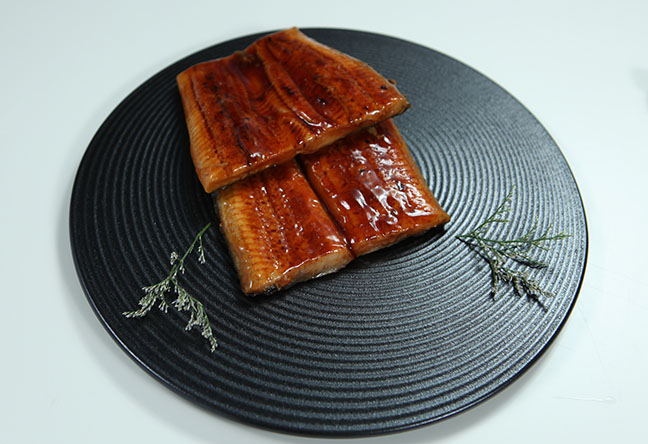
- Standardize where possible. Pre-sauced, ready-to-heat products — like frozen unagi kabayaki — already carry a glaze calibrated during roasting, which removes guesswork from naming and from reheating consistency.
This approach does not apply if you're running a high-end sushi program where guests expect precise Japanese terminology printed on the menu. In that case, keep "nitsume" and "tare" as separate line items, and explain the difference to staff so they don't substitute one for the other during service.
Frequently Asked Questions About Eel Sauce Names
Is eel sauce the same as unagi tare?
Functionally, often yes. But tare specifically describes the reduced glaze used during grilling, sometimes carrying actual eel bone stock built up over repeated batches. "Eel sauce" is the broader English retail term, and it may or may not contain real eel stock. If traceability matters for your import file, ask the supplier directly rather than trusting the label alone.
What is nitsume used for, and can I substitute tare?
Nitsume is for sushi service — brushed tableside onto anago or unagi nigiri. You can substitute a reduced tare in a pinch, but the texture tends to be thicker for nitsume. For high-volume foodservice, consistency matters more than the exact term, which is why pre-glazed kabayaki with a controlled sauce coating removes a lot of the guesswork.
What is eel sauce called on US grocery labels, and is that accurate?
It's almost always labeled simply "eel sauce," even when the product contains no eel. This is legal in most markets as long as the ingredient list is honest, but it's worth reading the back label if you're buying for a program that advertises genuine unagi tare. For exporters, matching the marketing name to the actual ingredient list avoids disputes down the line — a lesson covered in more depth in this breakdown of kabayaki sauce composition.
Should my English menu say "unagi sauce," "eel sauce," or "kabayaki sauce"?
It depends on your audience. General diners in the US, Australia, and much of the EU recognize "eel sauce" fastest. Japanese-fluent guests or higher-end sushi clientele may expect "tare" or "nitsume" printed alongside the English name for authenticity. "Kabayaki sauce" works best on B2B spec sheets and import labels, where precision matters more than casual recognition.
Do home cooks and foodservice buyers need to worry about the same naming rules?
Not really. A home cook following a glaze recipe just needs flavor results — see this kabayaki sauce troubleshooting guide for common fixes. Foodservice buyers and importers need the name on the label to match what's actually inside, because that mismatch is what customs inspectors and auditors flag first.
If you're sourcing frozen roasted eel or bottled glaze for a menu launch, request a product spec sheet before you print packaging — it's the fastest way to confirm whether your supplier's "eel sauce" is actually tare, nitsume-grade, or a kabayaki coating, and to avoid a label that doesn't match what's in the carton.