





What is eel sauce and why is it named after eel
You see a glossy brown sauce brushed over grilled eel, sushi rolls, or rice bowls and wonder: what is eel sauce, and is eel actually inside it? The short answer is simple. It is named for the food it traditionally glazes, not for an eel ingredient.
That naming detail causes plenty of confusion at restaurant tables and grocery shelves. The sauce is closely connected with unagi kabayaki, the familiar grilled eel dish finished with a sweet-savory glaze. It can also be used on rice, grilled seafood, vegetables, tofu, and sushi-style dishes. Its name describes its culinary role.

The name comes from grilled eel, not from the ingredient list
The clearest answer to what is eel sauce starts with its traditional use. Eel sauce is commonly called unagi tare or kabayaki sauce because it is brushed onto eel during the grilling and finishing process. The sauce gives the surface a darker shine, a sweet-savory aroma, and the familiar glazed appearance associated with kabayaki.
The naming boundary is direct: the sauce is named for its traditional eel-glazing use, not because eel is an ingredient. In other words, “eel sauce” describes where the sauce belongs on the menu, not what must be inside every bottle.
| Question | Direct answer | What to check |
|---|---|---|
| What is eel sauce? | A sweet-savory glaze traditionally used for grilled eel dishes. | Use the product label for its exact ingredient declaration. |
| Does the name prove the sauce contains eel? | No. The name refers to traditional use with eel. | Do not assume the name alone confirms or excludes a specific ingredient. |
| Is it only for eel? | No. It can be used as a finishing glaze or dipping sauce for other foods. | Use a light coating first because the flavor can dominate delicate ingredients. |
| Is every eel sauce identical? | No. Sweetness, saltiness, thickness, and ingredient lists vary by supplier. | Compare labels and request product specifications for foodservice purchasing. |
This distinction matters for diners with ingredient concerns and for buyers building menu descriptions. If a restaurant lists “eel sauce,” the honest description is a sauce traditionally paired with eel. It should not be presented as proof that the sauce itself contains eel without reviewing the actual formula and label.
What is eel sauce used for in Japanese-style cooking
When people ask what is eel sauce, they are often asking how it tastes and where it belongs. Its role is usually to balance the rich, roasted character of eel with a glossy, sweet-savory finish. It is not simply poured on at random. In kabayaki cooking, the glaze is part of the visual and flavor identity of the dish.
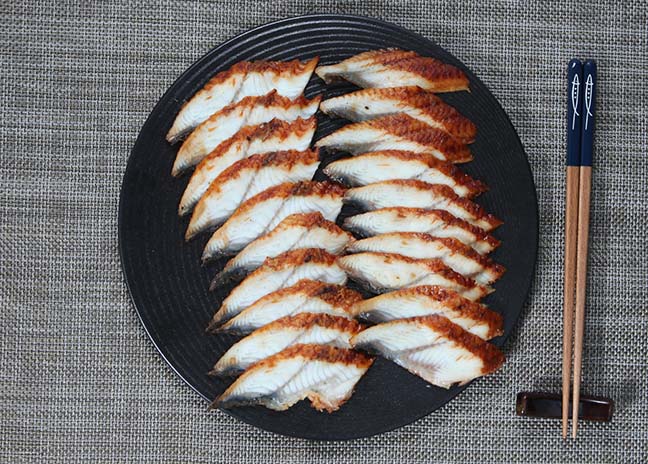
At Eelpro, frozen roasted eel is made with a controlled four-layer soy-sauce coating process. The roasting standard includes defined color stages from white-roasted eel through the first, second, third, and fourth soy-sauce coatings. This is why the sauce matters beyond taste: each coating helps create the recognized finish of prepared kabayaki eel.
For a closer look at the finished dish, see our unagi kabayaki product information. Buyers comparing ready-to-heat eel formats should assess the eel and the sauce together, because a strong glaze can affect the final menu profile as much as the roasting style.
Practical ways to use it at home
- Rice bowls: Brush a small amount over warm rice and top with grilled eel, salmon, mushrooms, or tofu. This fits a quick meal when you want a savory finishing flavor. It does not suit diners seeking a low-sugar or very lightly seasoned dish.
- Grilled seafood: Apply the sauce near the end of cooking for a glazed surface. This works well when the seafood already has a firm cooked exterior. Do not add a heavy layer too early, because sweet sauces can darken quickly on a hot grill.
- Sushi-style rolls: Use it as a finishing drizzle rather than a filling. This suits richer fillings such as avocado, cooked seafood, or grilled eel. It is less suitable for very mild raw fish where the sauce can cover the fish’s natural flavor.
- Vegetable glaze: Brush lightly onto roasted eggplant, mushrooms, or squash. This is a useful option when you want kabayaki-style flavor without serving eel. It does not recreate the texture or roasted fat of eel itself.

Why the sauce is strongly associated with kabayaki
What is eel sauce in the context of kabayaki? It is part of a paired format: grilled eel and glaze. The sauce is not an afterthought. It helps create the caramel-colored coating that diners expect when they order unagi over rice or in a Japanese restaurant setting.
Kabayaki is often served as a prepared product, which is why consistency matters to restaurants and importers. A foodservice operator may want eel portions that heat evenly and arrive with a recognizable finish. A home cook may simply want a sauce that brings a grilled dish closer to the flavor profile they enjoyed at a restaurant. These are different buying situations.
For restaurant buyers, the best choice is a sauce and eel combination that supports repeatable portioning and heating. For home users, a smaller package and a clear ingredient label may matter more. Neither option is universally better. The right choice depends on whether the priority is menu consistency, retail convenience, or recipe experimentation.
Our eel sauce page is a useful starting point for buyers who need product information alongside frozen eel supply options.
A quick buyer checklist before choosing a bottle or foodservice pack
Knowing what is eel sauce helps, but a name alone is not enough for a purchase decision. Use the following checklist before selecting a product for a home kitchen, restaurant, retailer, or distributor.
- Read the ingredient statement: This is the correct source for allergen, dietary, and ingredient questions. The product name is not a substitute for the label.
- Check the intended use: Choose a glaze for brushing, a finishing sauce for drizzling, or a sauce designed to accompany prepared eel. A product suited to one task may not give the same result in another.
- Assess flavor strength: Use a lighter sauce for delicate seafood and a fuller glaze for roasted eel, grilled meats, or vegetable dishes with deeper flavor.
- Match pack format to demand: Home cooks may prefer manageable retail packs. Restaurants and importers should request available packaging details and confirm expected usage volume before ordering.
- Ask for documentation when importing: Import buyers should review product specifications, label requirements, and destination-market rules before confirming an order.
- Pair sauce with the eel format: Whole fillets, cut pieces, sushi slices, and rice-bowl portions can need different application styles. A large fillet can carry a brushed glaze, while smaller pieces may need only a measured finish.
This is especially relevant for buyers sourcing prepared eel alongside sauce. Eelpro supports custom cutting formats including shredding, dicing, strip-cutting, chunk-cutting, three-section cuts, and sushi slices. The conclusion is practical: choose the cut first, then decide how the sauce will be applied. This approach suits menu development and portion-controlled production. It does not replace recipe testing with your own equipment and serving style.
Common mistakes when people first use eel sauce
A fast answer to what is eel sauce can prevent avoidable kitchen mistakes. The sauce is easy to use, but its sweet-savory profile means small choices make a visible difference.
| Common mistake | Why it causes problems | Better approach |
|---|---|---|
| Assuming the sauce contains eel because of its name | The name refers to traditional glazing use, not automatically to the ingredient list. | Read the label when ingredient details matter. |
| Using too much sauce | A heavy coating can mask the flavor of fish, vegetables, or rice. | Brush or drizzle a small amount, then add more only if needed. |
| Adding it too early during grilling | Sweet glazes can darken quickly over direct heat. | Apply it toward the finishing stage and watch the surface closely. |
| Using one sauce description for every product | Flavor and formula can differ among suppliers and markets. | Use the product specification and label for accurate menu copy. |
| Buying sauce separately without considering the eel | The final dish may lack balance between roasted flavor, sweetness, and saltiness. | Test the sauce with the intended eel portion before a menu rollout. |
Cold fact: the word “eel” in the name is a serving clue. It tells you that the sauce became famous as a partner for grilled eel. That is why it appears so often beside unagi dishes, even though it can be used well beyond them.
FAQ answers for diners and home cooks
What is eel sauce supposed to taste like?
What is eel sauce supposed to taste like? Expect a sweet-savory, roasted-style profile intended to complement grilled foods. The exact balance varies by product, so one brand may taste sweeter or stronger than another. It suits grilled eel and richer cooked dishes; it may not suit someone looking for a plain soy sauce flavor.
What is eel sauce called on Japanese-style menus?
What is eel sauce called in many Japanese-style settings? You may see it described as unagi tare or kabayaki sauce. These names point to its association with grilled eel preparations. They do not remove the need to check a specific package label if you need ingredient or allergen information.
Can I use it without cooking eel?
Yes. What is eel sauce useful for beyond eel? It can add a glazed finish to cooked seafood, chicken, tofu, vegetables, and rice bowls. Use it when you want sweet-savory depth and surface shine. Avoid treating it as a universal seasoning for every dish, because it can overwhelm subtle flavors.
Is eel sauce the same as every teriyaki-style sauce?
No. What is eel sauce in a practical kitchen comparison? It is a sauce associated with kabayaki eel, while teriyaki-style sauces may be used across many grilled foods and can vary widely by recipe. The two may share sweet-savory characteristics, but buyers should compare the actual product rather than treating the names as interchangeable.
How should a restaurant describe it to guests?
A clear description is: “a sweet-savory glaze traditionally served with grilled eel.” This wording answers what is eel sauce without implying that the sauce contains eel. It fits menus, retail descriptions, and staff training. It should be adjusted if a specific product label requires additional allergen or ingredient information.
How Eelpro supports sauce and eel buyers
For importers and foodservice customers, what is eel sauce is only one part of the purchase question. The other part is whether the supplier can support product quality, traceability, and consistent cold-chain handling for the finished eel program.
Eelpro operates two modern production lines for frozen roasted eel and deep-processed aquatic products, with an annual finished-goods capacity of 4,000 tons. Our 1,000-ton cold storage facility supports storage and cold-chain logistics. We are certified to ISO 22000:2018, HACCP, and HALAL requirements, with export food producer registration and an SC food production license.
Food safety control includes approximately 20 customs-registered eel farming bases covering more than 2,150 mu, traceability from farm registration through shipment, an in-house laboratory, and metal detectors at critical control points. For buyers reviewing food safety systems, HACCP is the preventive food safety approach used to identify and control hazards during production.
We supply eel products to Japanese restaurant chains, US food importers, German importers and distributors, Polish importers and foodservice channels, Australian Asian foodservice and retail channels, Indonesian importers, and regional Southeast Asian catering chains. These references show export activity in the stated markets; they are not a guarantee that every product format or order requirement is identical across destinations.
Regular order delivery is approximately 30 days from order confirmation to shipment, with timing subject to specification and quantity. This timing fits planned procurement and menu launches. It may not fit urgent replenishment needs, so confirm production and shipping requirements before placing an order.
Explore our kabayaki sauce article or request product specifications and a quote for eel sauce and frozen unagi kabayaki.
 WhatsApp
 sales@chinaeels.com
 +8619937922411