





Is eel healthy when you compare fresh smoked and kabayaki eel
Picture three plates of eel: one freshly cooked, one gently smoked, and one glossy with sweet kabayaki sauce. They may look similar, but their sodium, sugar, calorie, and handling needs can be very different. So, is eel healthy for your table? The honest answer depends less on eel alone and more on how it is prepared.
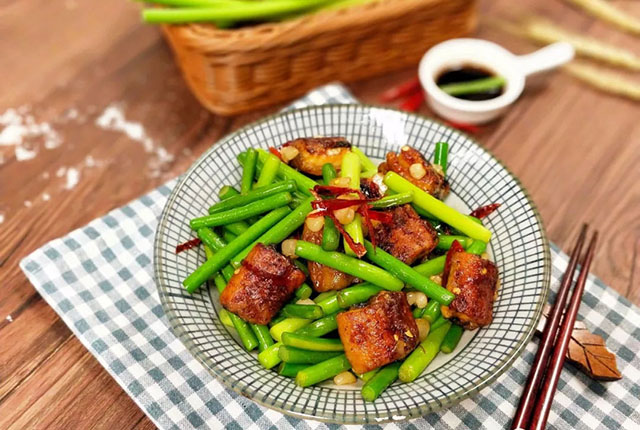
Freshwater eel is naturally rich and satisfying, with a soft texture that works well in rice bowls, sushi, noodle soups, and grilled dishes. Yet a plain grilled fillet and a sauce-glazed unagi kabayaki portion are not nutritionally identical. Smoke, curing ingredients, sauces, serving size, and side dishes all change the final meal.
This guide answers the question “is eel healthy?” in practical terms. It is designed for home cooks, menu planners, and buyers choosing between fresh eel, smoked eel, and frozen kabayaki eel.
How preparation changes sodium sugar calories and food-safety considerations
The simplest conclusion is this: choose fresh eel when you want the most control over seasoning, choose smoked eel when you want a distinctive ready-to-serve flavor but can manage sodium carefully, and choose kabayaki when convenience and sweet-savory flavor matter more than keeping added sugar low. Is eel healthy in all three formats? It can fit a balanced diet, but the label and preparation method matter.
| Format | Sodium consideration | Sugar consideration | Calorie consideration | Food-safety consideration | Best fit |
|---|---|---|---|---|---|
| Fresh eel | Usually depends mainly on salt, marinades, and sauces added during cooking. | Usually low unless a sweet glaze or sauce is added. | Depends on cooking oil, skin-on preparation, and serving size. | Requires careful chilled handling, separation from ready-to-eat foods, and thorough cooking. | Cooks who want full control over seasoning and recipe style. |
| Smoked eel | May be higher when salt is used during curing or seasoning. Check the nutrition label. | May be low or may rise when a sweet smoke glaze is used. | Can change with oil, glaze, and serving size. | Follow the pack instructions exactly. Smoking adds flavor but does not remove the need for proper storage. | Cold dishes, salads, canapés, and quick meals with a smoky taste. |
| Sauce-glazed kabayaki eel | Often influenced by soy-sauce-based tare and any extra sauce added at serving. | Usually higher than plain eel because kabayaki sauce is sweet-savory. | Can be higher than plain grilled eel when sauce is included. | Keep frozen products frozen, protect package integrity, and heat according to the product instructions. | Rice bowls, sushi, bento meals, and fast home meals. |
The main lesson is not that one format is “good” and another is “bad.” Is eel healthy when served with rice, vegetables, and a measured amount of sauce? For many people, that can be a sensible meal. But someone following a lower-sodium or lower-sugar eating plan should not treat smoked eel and kabayaki eel as interchangeable with plain fresh eel.
For food handling, use the same disciplined approach you would use with any seafood product. The food safety basics are simple: keep chilled products cold, avoid cross-contact between raw and ready-to-eat foods, follow the package directions, and do not rely on smell alone to judge safety.
Is fresh eel healthy for people who want more control?
Is eel healthy in its fresh form? Fresh eel is usually the easier choice when your priority is controlling the ingredients around it. You decide whether the eel is steamed, grilled, simmered, pan-cooked, or paired with sauce on the side.
This format fits a home cook who wants a lighter-tasting meal or a restaurant menu that needs flexible seasoning. For example, fresh eel can be cooked with ginger, scallion, citrus, herbs, or a small amount of soy seasoning instead of a sweet glaze. That gives you more direct control over added sodium and sugar.
The limit is preparation effort. Fresh eel needs more kitchen work than a prepared frozen product. It also requires confident cleaning, skinning, deboning, and cooking practices. If you are unfamiliar with these steps, our how to cook eel: cleaning, skinning & deboning guide explains what to prepare before cooking.
A fresh eel selection checklist
- Choose the format first: whole eel, fillet, strip-cut, or chunk-cut. A smaller cut can reduce preparation time but may not suit every recipe.
- Plan the seasoning before buying: use plain grilling or steaming if sodium and sugar control is your main goal.
- Match the cut to the meal: strips work well in noodle soups, while larger fillets suit grilling or rice bowls.
- Do not assume “fresh” means ready to eat: fresh eel must be handled and cooked appropriately.
- Check origin and traceability: this matters when buying for a foodservice menu or a repeat household purchase.
Is eel healthy for every dietary requirement just because it is fresh? No. Fresh eel still needs portion awareness, and the finished meal can become heavier when fried or covered with a rich sauce. The advantage is control, not a guaranteed nutritional outcome.
Is smoked eel healthy when flavor is the priority?
Is eel healthy when it is smoked? Smoked eel can be a practical and flavorful choice, especially for salads, breakfast plates, crackers, sandwiches, and cold appetizers. Its silky texture and smoky aroma can make a small amount feel satisfying.
The reason to read the label closely is salt. Smoking methods may involve curing, seasoning, or brining, and these choices can affect sodium. A plain smoked eel and a sweet-smoked or sauce-coated eel may also differ in sugar. Compare products using the same serving basis shown on each nutrition panel. That keeps the comparison fair.
Smoked eel works best for people who value speed and flavor and who are willing to balance the rest of the plate. Pair it with unsalted vegetables, plain grains, fresh cucumber, leafy greens, or citrus rather than stacking it with salty pickles, soy sauce, and processed snacks.
Is eel healthy if it is smoked and served cold? It can fit a meal plan, but only when the storage instructions are followed. Smoking is not permission to ignore the cold chain. Keep the product in the condition stated on its label and use it according to its stated instructions.
A common smoked eel mistake to avoid
Cold fact: “smoked” describes a flavor and processing method, not a universal nutrition profile. One smoked eel product may be lightly seasoned, while another may include a sweet glaze or stronger cure. Do not estimate sodium or sugar from appearance alone.
- Mistake: Adding soy sauce before tasting.
- Why it matters: The smoked product may already contain seasoning.
- Better approach: Taste a small piece first, then add acidity, herbs, or fresh vegetables before adding more salt.
- When this does not apply: A recipe may intentionally require extra seasoning, but that should be a deliberate flavor decision.
Is kabayaki eel healthy for convenient meals?
Is eel healthy when it comes as frozen unagi kabayaki? Kabayaki is often the easiest eel format for busy meals because the grilling and sauce work have already been done. It is a strong choice for a quick rice bowl, sushi filling, bento item, or noodle topping.
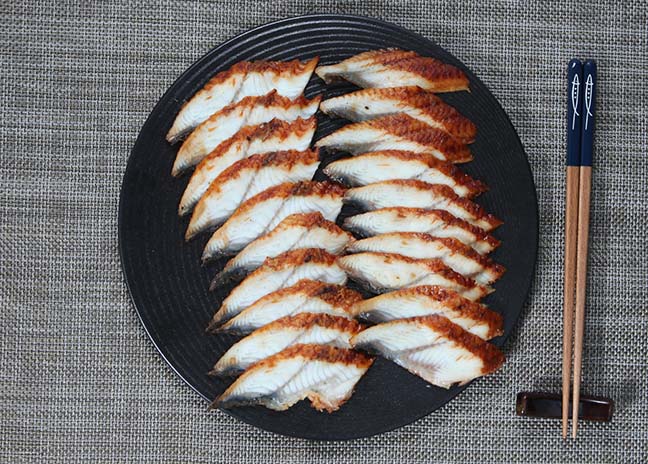
Eelpro’s frozen kabayaki is made with a four-layer soy-sauce coating process. That layered finish creates the familiar glossy color and sweet-savory taste associated with unagi. For buyers and cooks, the trade-off is clear: kabayaki offers consistency and speed, while the sauce means sugar and sodium deserve attention on the product label.
Is eel healthy as kabayaki if you are watching sugar? It may still fit your diet, but it is not the first choice if you need to avoid sweet sauces. A practical compromise is to use kabayaki as the main protein, avoid adding extra tare, and build the bowl with plain rice, greens, cucumber, mushrooms, or steamed vegetables.
For readers comparing sauce styles, our eel sauce page explains the role of unagi tare in finished eel dishes. You can also see the product format on our unagi kabayaki product page.

A practical kabayaki meal-building method
- Start with the package directions: heat the frozen product only as instructed by the supplier.
- Use the included sauce sparingly: add more only after tasting.
- Choose one neutral base: rice, noodles, or vegetables.
- Add fresh contrast: cucumber, greens, radish, mushrooms, or lightly seasoned vegetables work well.
- Avoid doubling the sweetness: skip sweet drinks or extra sugary side dishes when the eel already has a glaze.
- Check the finished plate: if sauce appears in several components, reduce it in at least one component.
Is eel healthy for meal prep in kabayaki form? It can be convenient, especially when the product is stored correctly and portions are planned. The limit is that prepared eel should not be treated as a blank ingredient; the sauce is part of its nutrition profile.
Which eel format fits your dietary goal?
There is no single winner. Is eel healthy depends on what you need from the meal and what else appears on the plate. Use this quick decision guide before purchasing.
| Your goal | Best starting format | Reasoning | Limit to remember |
|---|---|---|---|
| Reduce added sugar | Fresh eel | You can cook it without sweet sauce or serve sauce separately. | Cooking skill and preparation time are required. |
| Manage sodium | Fresh eel or a carefully checked smoked product | Fresh eel gives direct control; smoked products require label comparison. | Fresh eel can still become salty with marinades or soy sauce. |
| Make a fast rice bowl | Frozen kabayaki eel | Its cooked, sauce-glazed format reduces meal preparation steps. | Consider the sugar and sodium from tare before adding more sauce. |
| Create a cold appetizer | Smoked eel | The smoky flavor can work well with fresh vegetables and mild bases. | Follow storage and serving instructions on the package. |
| Build a flexible family menu | Fresh eel plus sauce served separately | Each person can adjust seasoning at the table. | Requires more preparation than frozen prepared eel. |
Questions people ask before putting eel on the menu
Is eel healthy if I eat it with rice?
Is eel healthy with rice? Yes, it can be part of a balanced meal. The better choice is to keep the bowl balanced rather than making it eel, sauce, and rice only. Add vegetables or a lighter side dish. If using kabayaki, avoid pouring extra tare over the entire bowl unless that richer flavor is your goal.
Is eel healthy for people who avoid high-sodium foods?
Is eel healthy for this need? Plain fresh eel is generally the easier format to season carefully. Smoked eel and kabayaki may still work, but compare labels, consider the sauce, and review the whole meal. This is not individual medical advice; people following a prescribed diet should follow advice from their qualified health professional.
Is eel healthy when it is frozen?
Is eel healthy when frozen? Freezing itself does not answer the nutrition question. Look at the ingredient list, sauce content, and instructions. Frozen prepared eel can be a useful choice when you need reliable convenience and portion planning. Eelpro supports product quality with ISO 22000:2018, HACCP, HALAL certification, an in-house laboratory, metal detectors, and full-chain traceability from customs-registered farming bases to shipment.
Is eel healthy if I use extra kabayaki sauce?
Is eel healthy after extra sauce is added? The answer becomes more dependent on your total sugar and sodium intake. Kabayaki sauce is meant to bring shine, sweetness, and savory depth, so use it as a finishing ingredient rather than an automatic extra layer. For flavor troubleshooting, see this kabayaki sauce recipe: fix flavor mistakes guide.
Is eel healthy compared with other seafood?
Is eel healthy compared with other seafood? That comparison depends on the specific fish, recipe, sauce, portion, and dietary target. Eel is best assessed as a prepared dish, not as an isolated ingredient. A plain fresh eel dish and a heavily glazed eel bowl can serve very different menu needs.
If you are selecting frozen unagi kabayaki or eel sauce for retail, foodservice, or menu development, request a product specification and selection recommendation from Eelpro.

 WhatsApp
 sales@chinaeels.com
 +8619937922411