


What Is Eel in Japanese and Why It Matters for Your Menu
If you're looking at a Japanese menu, the simple question of what is eel in Japanese can have a few different answers. The most common term you'll encounter is unagi (うなぎ), which specifically refers to freshwater eel. However, you might also see anago (穴子), or saltwater eel. While they may seem similar, for restaurant chains, foodservice distributors, and importers, the difference between these two products is significant in terms of flavor, texture, cost, and supply chain complexity. Understanding this distinction is the first step in sourcing the right product for your customers.
As a quality specialist who has guided international clients through the import standards for Japan, the US, and the EU, I know that product consistency starts with precise definitions. Choosing the right type of eel is critical, but ensuring it's produced to a certifiable, export-grade standard is what protects your business and builds your reputation. At Eelpro, we specialize in premium frozen unagi kabayaki, a product that demands rigorous control from the farm to the final package.
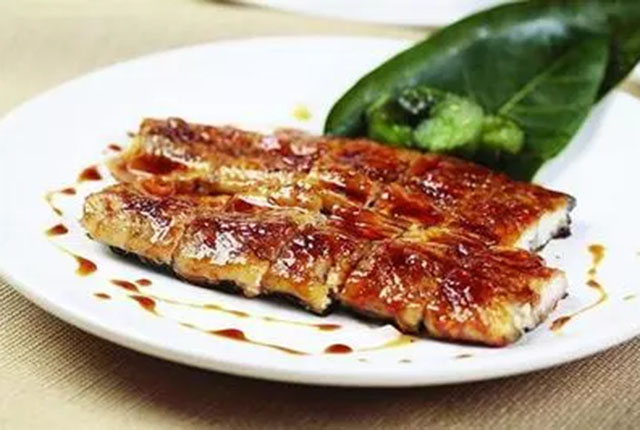
Unagi vs. Anago vs. Nihon Unagi: A Clear Comparison for Buyers
For diners, the choice between unagi and anago is a matter of taste. For B2B buyers, it's a strategic sourcing decision that impacts menu pricing, cooking application, and supply chain stability. The term Nihon unagi adds another layer, referring specifically to the Japanese eel species, which is highly prized but also faces sustainability and supply challenges. Here is a direct comparison to help clarify these terms.
| Attribute | Unagi (うなぎ) | Anago (穴子) | Nihon Unagi (日本うなぎ) |
|---|---|---|---|
| Typical Species | Freshwater eel (e.g., Anguilla japonica, Anguilla anguilla) | Saltwater conger eel (e.g., Conger myriaster) | Specifically the Japanese eel (Anguilla japonica) |
| Habitat | Rivers, lakes, and estuaries. Primarily farmed. | Ocean (saltwater). Primarily wild-caught. | Native to East Asia; migrates between freshwater and the ocean. |
| Flavor Profile | Rich, bold, and fatty with a satisfying depth. Pairs well with strong sauces. | Lean, delicate, and subtly sweet. A much lighter flavor. | Considered the premium standard for unagi; exceptionally rich and savory. |
| Texture | Firm, tender, and slightly chewy. The fat content gives it a succulent mouthfeel. | Very soft, light, and fluffy. Can almost melt in your mouth. | Firm yet tender with a high fat content that delivers a luxurious texture. |
| Common Preparation | Kabayaki (grilled with a sweet soy glaze), Shirayaki (grilled with salt). Ideal for rich dishes like unadon. | Simmered (nitsume), fried as tempura, or served as sushi with a light sweet sauce. | Most often prepared as high-end kabayaki or shirayaki in specialty restaurants. |
| Supply Chain Notes | Farming allows for consistent size, quality, and volume. Essential for large-scale foodservice. | Supply is subject to wild-catch variability, affecting price and availability. | Supply is limited and prices are high due to its endangered status and fishing regulations. |
For most global foodservice operations, farmed unagi is the superior choice. It provides the consistency in size, fat content, and year-round availability necessary for standardized menus and stable pricing. Eelpro focuses exclusively on high-quality farmed unagi, ensuring our partners receive a reliable, premium product every time.
The Hallmarks of Premium Unagi Kabayaki Production
Simply sourcing unagi isn't enough. The processing method defines the final product's quality. Traditional kabayaki involves grilling the eel while basting it with a sweet and savory sauce known as tare. At Eelpro, we have refined this art into a science, creating a standardized process that guarantees exceptional flavor and texture in every batch.
Our export-grade roasting process is built on precision:
- Patented Technology: We utilize patented low-fat roasting and deodorizing equipment. This technology renders excess fat during the cooking process, resulting in a cleaner flavor and a texture that is succulent without being overly greasy.
- Four-Layer Sauce Application: Unlike single-coat methods, our process involves four distinct layers of soy sauce application. Each layer is applied at a specific, temperature-controlled step. This builds a deep, complex flavor that fully permeates the eel. We have established precise color standards for both the initial 'white-roasted' stage and each subsequent soy-sauce coating to ensure visual and taste consistency.
- Quality-Controlled Sauce: The flavor of kabayaki is defined by its sauce. Our unagi tare is made with high-quality ingredients to a proprietary recipe, ensuring the perfect balance of sweet and savory notes that complement the rich flavor of the eel.
This meticulous approach, managed by our team of 25 quality-control specialists, allows us to produce 4,000 tons of finished goods annually. The result is a frozen unagi kabayaki eel product that is ready-to-heat, saving significant back-of-house labor for our foodservice clients in Japan, the United States, and Germany.
Sourcing Checklist for Import-Compliant Frozen Eel
For importers and large-scale buyers, avoiding trade risks is paramount. A shipment held at customs due to non-compliance with food safety regulations can lead to significant financial loss and reputational damage. From my 12+ years in seafood export quality assurance, I've seen how critical documented compliance is. Here's a checklist of what to verify before partnering with an eel supplier.
- Verify Core Food Safety Certifications: Does the supplier hold internationally recognized certifications? At a minimum, look for ISO 22000:2018 for food safety management and a HACCP system for hazard control. For specific markets, certifications like HALAL may be required. Eelpro holds all three, alongside an Export Food Producer Registration Certificate.
- Confirm Full-Chain Traceability: Can the supplier trace the product back to its source? Ask for details on their farming base management. We operate with approximately 20 customs-registered unagi eel farms, enabling full-chain control from farm registration and targeted sampling to final shipment tracking.
- Inquire About Residue and Contaminant Testing: This is a major point of failure for imports into the EU, US, and Japan. Does the supplier have an in-house laboratory and documented testing procedures? Our own professional eel lab and critical control points with metal detectors ensure our products meet strict standards for veterinary drug residues and microbiological indicators.
- Assess Production and Storage Capacity: Can the supplier handle your volume and maintain quality? A large production capacity (Eelpro: 4,000 tons/year) indicates experience, while significant cold storage (Eelpro: 1,000-ton facility) ensures product integrity throughout the logistics process.
- Review Product Specifications and Customization: Does the supplier offer flexibility? We provide custom cutting specifications—including shredding, dicing, sushi slices, and 3-section cuts—and differentiated MOQ policies to serve diverse clients, from large traders to regional catering chains.
Partnering with a vertically integrated and certified manufacturer like Eelpro mitigates these risks. We have a proven track record of supplying compliant eel products to demanding markets across the European Union, Australia, and Southeast Asia.
Standardization and Customization for Your Supply Chain
One of the biggest challenges for foodservice chains is ensuring a consistent customer experience across all locations. Standardizing ingredients is key. Our frozen roasted eel products are designed to solve this problem. By providing boneless, deboned, and precisely cut eel, we eliminate much of the skilled labor and processing time required in a commercial kitchen.
Our ready-to-heat packaging and standardized portions allow chefs to prepare dishes like eel rice bowl toppings or unagi sushi quickly and consistently. This operational efficiency is a direct cost-saving advantage for our clients.
We work closely with buyers to meet specific needs. Whether you require a particular cut for a new menu item, a specific packaging format like skin-packaging or gift boxes, or a negotiated MOQ for a new market entry, our team is structured to provide flexible solutions. Our typical order delivery time is approximately 30 days from confirmation to shipment, but this is always negotiable based on the specifications and quantity of your order.
Understanding what eel is in Japanese is just the beginning. Sourcing it reliably, safely, and to your exact specifications is what builds a successful business.
If you are looking for a reliable unagi kabayaki manufacturer and frozen eel supplier with certified processes and proven export experience, our team can provide the product and documentation you need. Contact us to discuss your specifications or request a sample.