


What Is Unagi Don and How Is It Built From Eel Rice and Sauce
A glossy piece of grilled eel, a bowl of warm rice, and a sweet-savory sauce can look simple. Yet the balance is easy to miss. What is unagi don really, and why does it taste so satisfying when each part is prepared with care?
Unagi don is a Japanese rice bowl built around grilled eel, usually eel prepared in a kabayaki style, served over steamed rice and finished with kabayaki sauce. The bowl is often called unadon as well. It is warm, fragrant, and comforting, with soft eel, fluffy rice, and a glossy sauce that ties every bite together.
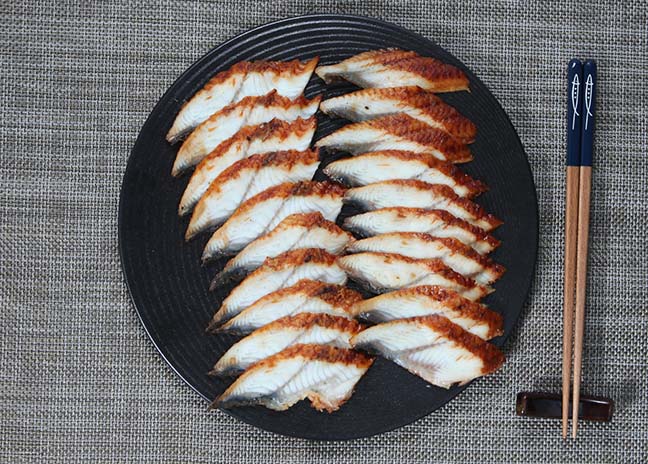
What Is Unagi Don and Why Does Its Simple Structure Matter
What is unagi don in practical terms? It is not just “eel with rice.” It is a composed bowl where each ingredient has a separate job. The eel brings richness and aroma. The rice provides a mild base. The sauce brings sweetness, saltiness, color, and moisture.
That structure matters because a good bowl depends on balance rather than an oversized portion of any single ingredient. Too much sauce can hide the eel. Too little rice can make the dish feel heavy. Eel that is cut too thick or handled roughly can make eating awkward, especially for first-time diners.
When someone asks what is unagi don after seeing it on a menu, the shortest honest answer is this: it is a Japanese grilled eel rice bowl, usually made with kabayaki eel and a soy-based glaze. However, the exact sweetness, eel cut, rice texture, and garnish can vary by restaurant, region, and supplier.
Menu readers asking what is unagi don should also know that “don” refers to a bowl-style meal served over rice. The eel is the feature, but the rice is not an afterthought. It carries the sauce and softens the richness of the fish.
How Grilled Eel Steamed Rice and Kabayaki Sauce Each Work in the Bowl
To understand what is unagi don, look at the bowl component by component. The dish works because the ingredients contrast with one another while still sharing the same sweet-savory direction.
| Component | Role in Unagi Don | What to Look For | When It May Not Suit the Dish |
|---|---|---|---|
| Grilled eel | Provides the main aroma, tenderness, roasted flavor, and rich mouthfeel. | Even cutting, a clean appearance, tender flesh, and a glaze that does not overwhelm the eel. | Very dry eel, heavy bones, or excessively thick sauce can make the bowl difficult to enjoy. |
| Steamed rice | Acts as the warm, neutral foundation that absorbs sauce and supports the eel. | Rice that is warm, separate, and lightly sticky enough to hold together in a bowl. | Cold, overly wet, or strongly seasoned rice can compete with the eel. |
| Kabayaki sauce | Adds sweetness, saltiness, shine, and a familiar grilled eel flavor. | A sauce that coats rather than floods the rice and eel. | Too much sauce can turn the bowl overly sweet or mask the roasted notes. |
| Optional garnish | Adds freshness, aroma, or gentle contrast. | Garnishes used sparingly so the eel remains the focus. | Strong toppings may distract from the eel and sauce pairing. |
The conclusion is straightforward: use eel as the lead ingredient, rice as the supporting base, and sauce as the connector. This arrangement fits a classic home meal, a Japanese restaurant menu, or a ready-to-heat foodservice bowl. It does not apply when the goal is a dry grilled eel plate without rice, or a heavily mixed rice dish where sauce is stirred through every grain.
Cold fact: the sauce is not merely decoration. In a well-built bowl, some sauce reaches the rice beneath the eel, so the final spoonful still has flavor even after the eel is gone. That is why an unagi don bowl can feel complete from the first bite to the last.
For buyers and home cooks comparing products, unagi kabayaki is the most direct starting point because it is designed for this grilled eel style. The product should fit the intended serving format, whether that is a full fillet bowl, cut pieces for shared dishes, or smaller portions for retail meal kits.
How Is Unagi Don Built for a Home Meal or Foodservice Bowl
For anyone asking what is unagi don because they want to make it, start with assembly rather than complicated cooking theory. The best approach is to keep the bowl focused and let the eel remain visible.
- Prepare steamed rice first. Place it in a warmed bowl so it remains the soft base of the meal.
- Warm the eel according to the supplier’s product instructions. Frozen prepared eel may have different handling requirements depending on the cut, packaging, and intended use.
- Slice or portion the eel cleanly. The goal is easy eating, not oversized pieces that slide off the rice.
- Lay the eel over the rice. Cover enough of the surface to give each bite a clear eel-and-rice pairing.
- Apply kabayaki sauce with restraint. Add enough to coat the eel and lightly season the rice beneath it.
- Serve promptly. The contrast between warm rice, tender eel, and glossy sauce is part of the appeal.
This method suits family meals, casual Japanese menus, and foodservice operations that need less back-of-house preparation. It does not replace product-specific instructions. A supplier’s packaging and handling guidance should always take priority, particularly for frozen prepared seafood.
At home, what is unagi don often comes down to portion control. A bowl can feel generous without being overloaded if rice remains visible around the eel and the sauce stays controlled. For a restaurant, that same principle helps maintain a consistent presentation across servings.
Eelpro supplies frozen roasted eel and deep-processed aquatic products through two modern production lines with an annual capacity of 4,000 tons of finished goods. Its frozen eel range can be prepared in different cutting formats, including strips, chunks, sushi slices, and other custom cuts. That flexibility can matter when a buyer is planning bowls, sushi, noodle toppings, or retail-ready meals.
How Should You Choose Eel and Sauce for This Rice Bowl
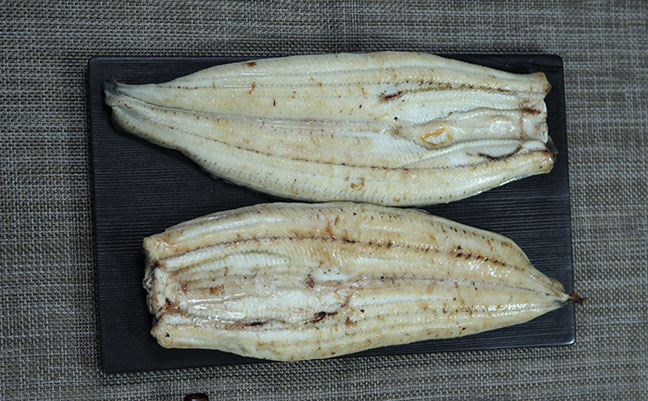
When choosing ingredients, the answer to what is unagi don should guide the purchase: choose ingredients that work together in a bowl, not ingredients that are impressive in isolation. A highly sweet sauce may taste fine on a spoon but become tiring once it absorbs into rice. A large eel fillet may look dramatic but may not fit a smaller bowl or meal kit.
| Buying Situation | Recommended Choice | Why It Fits | Limit |
|---|---|---|---|
| Home meal | Prepared frozen kabayaki eel with a matching sauce | Reduces raw eel handling and supports a familiar bowl format. | Check the product instructions instead of assuming all frozen eel reheats the same way. |
| Japanese restaurant | Standardized eel portions or custom-cut eel | Supports more consistent bowl presentation and portion planning. | The correct cut depends on bowl size, menu price, and plating style. |
| Retail meal kit | Portioned eel, sauce, and rice instructions | Helps consumers understand how the bowl is assembled. | Packaging format and product labeling should suit the destination market. |
| Foodservice chain | Deboned or boneless prepared eel where suitable | Can reduce kitchen preparation work and simplify service. | Confirm the required texture, cut, and product specification before ordering. |
Before ordering, what is unagi don should be treated as a menu format rather than a single fixed recipe. Some buyers want a traditional-looking fillet over rice. Others need diced eel for compact meal trays. The right choice depends on the final bowl, not on a one-size-fits-all product claim.
Eelpro uses a four-layer soy-sauce coating process for its roasted eel products and applies defined color standards through the coating stages. The company also holds ISO 22000:2018, HACCP, HALAL certification, export food producer registration, and an SC food production license. For import buyers, traceability is supported through approximately 20 customs-registered farming bases covering more than 2,150 mu, plus in-house laboratory testing and metal detectors at critical control points.
If sauce is your main concern, compare its sweetness and coating behavior in the finished bowl rather than tasting it alone. Explore Eelpro’s eel sauce options when sourcing a sauce intended to pair with roasted eel and rice.
What Are the Common Mistakes When Making or Ordering Unagi Don
A common misunderstanding of what is unagi don is that more sauce always makes a better bowl. It does not. The sauce should support the eel, not bury it.
- Flooding the rice with sauce: This makes the bowl overly sweet and can leave the rice soggy. Use a light coating first, then adjust only if needed.
- Using cold rice: Cold rice dulls the comfort and aroma of the dish. Serve the bowl with warm rice whenever the product instructions allow.
- Choosing an unsuitable eel cut: Long fillets may not fit every bowl. Select a cut that matches the serving vessel and intended portion.
- Adding too many toppings: Strong toppings can hide the eel’s roasted flavor. Keep additions modest.
- Assuming all sauces are interchangeable: Teriyaki-style sauces and kabayaki sauces may serve different flavor goals. Check sweetness, saltiness, and thickness in the finished dish.
- Ignoring product documentation: Frozen products may differ in packaging and preparation guidance. Follow the supplier’s instructions rather than relying on a generic online method.
That is why what is unagi don is best answered as a balance question. A successful bowl is not the sweetest, largest, or most decorated version. It is the version where grilled eel, rice, and sauce remain easy to taste together.
For a closer look at how sauce affects the final flavor, see this guide on kabayaki sauce. It is especially useful for buyers comparing sauce profiles for restaurant dishes or packaged meals.
Is What Is Unagi Don the Same as Unagi Kabayaki
No. What is unagi don refers to the finished rice bowl. Unagi kabayaki refers to the grilled, sauced eel preparation used in that bowl. Kabayaki eel can also appear in sushi, noodles, bento meals, and other dishes.
This distinction matters when ordering from a supplier. A buyer may source kabayaki eel as an ingredient, then build an unagi don bowl with their own rice, sauce quantity, packaging, and garnish. The two terms are related, but they are not interchangeable.
Does Every Unagi Don Bowl Use the Same Sauce
No. What is unagi don does not require one universal sauce formula. Kabayaki sauce is generally sweet and savory, but sweetness, thickness, and application can differ by supplier and restaurant.
The best choice depends on the target diner. A more traditional Japanese menu may prefer a restrained coating that leaves the eel’s roasted flavor clear. A convenience meal or family-style dish may use a slightly more noticeable sauce so the rice remains flavorful. Neither choice is automatically better; the final bowl is the test.
Can Frozen Eel Make a Good Unagi Don Bowl
Yes. What is unagi don is a serving style, so prepared frozen kabayaki eel can be suitable when it is selected and handled according to its product requirements. Frozen prepared eel is particularly practical for restaurants, retailers, and home cooks who want to avoid cleaning, skinning, and grilling raw eel.
The limit is simple: frozen does not remove the need for good sourcing and correct preparation. Buyers should confirm the eel cut, sauce profile, packaging format, food safety documentation, and destination-market requirements before purchase. Eelpro exports eel products to Japan, the United States, Germany, Poland, Australia, Indonesia, and other Southeast Asian markets, with products designed to meet relevant export inspection requirements for Japan, the United States, and the European Union.
Is Unagi Don Only for Japanese Restaurants
No. What is unagi don can be useful inspiration for any menu that needs a warm seafood rice bowl. Its format is easy for diners to understand: protein on rice, sauce for flavor, and optional light garnish.
Still, it works best when the menu respects the dish’s core identity. Replacing every element at once can create a different meal entirely. Keep the grilled eel, steamed rice, and kabayaki-style sauce relationship clear if the menu name uses “unagi don.” For more rice bowl ideas, see eel rice bowl toppings.
If you are planning an unagi don menu, retail set, or foodservice bowl, request product specifications or a sample discussion from Eelpro to match the eel cut and sauce format to your serving concept.