


What Is Unagi Don and How It Differs From Eel Sushi
You're staring at a Japanese menu. Two eel dishes sit side by side — unagi don and eel sushi. Same fish, different experience. One arrives in a steaming bowl of rice, glossy with sauce. The other comes as cool, neat sushi pieces. Order the wrong one for your mood, and dinner feels off before the first bite. So what is unagi don, exactly, and how does it diverge from the sushi version most diners already know? Here's the breakdown.
What Is Unagi Don, Exactly?
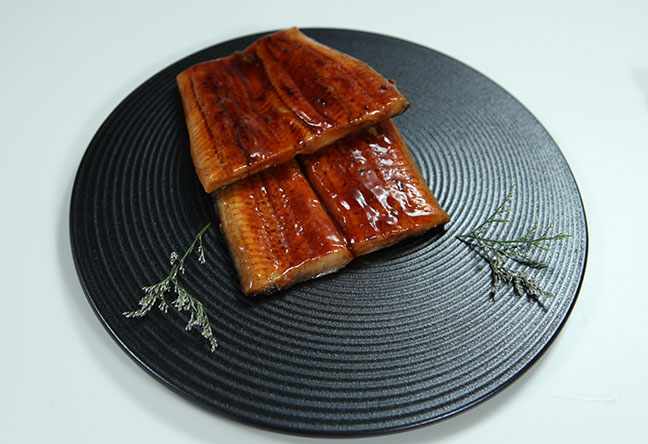
Unagi don — short for unagi donburi — is grilled freshwater eel served over a bowl of hot steamed rice, finished with a reduced soy-based glaze called tare. The eel is prepared kabayaki-style: split, boned, steamed to soften the flesh, then grilled with repeated basting. Export-grade production typically applies four distinct layers of soy sauce, each added at a controlled temperature step, building color from a pale "white-roasted" base up through a deep, almost lacquered finish. This layered approach is what separates a thin, one-note glaze from a sauce with real depth — the kind you taste in the unagi kabayaki served at most Japanese restaurant chains.
Fun fact: the word "kabayaki" is thought to come from kaba, meaning cattail reed — old-style preparation skewered whole eel so it resembled a reed stalk before cutting became standard. Not essential trivia, but it explains why some older restaurants still serve eel on long skewers rather than cut pieces.
Serving-Style Comparison: Bowl Format, Rice, Eel Portioning, and Accompaniments
This is where the two dishes actually part ways. Sushi and donburi share an ingredient but almost nothing about preparation or presentation.
| Element | Unagi Don | Eel Sushi (Nigiri/Maki) |
|---|---|---|
| Bowl/plate format | Deep lacquered bowl, rice fully covered by eel | Flat plate or sushi board, individual pieces |
| Rice preparation | Plain steamed rice, served hot (no vinegar) | Vinegared sushi rice (shari), served near room temperature |
| Eel portioning | One whole or half fillet, chunk-cut or 3-section cut | Thin sushi slices, roughly 3-5 mm |
| Typical accompaniments | Pickled daikon, sansho pepper, miso soup | Wasabi, soy dip, pickled ginger |
| Serving temperature | Hot, eaten immediately off the grill or steamer | Cool to room temperature |
Notice the rice difference first. Donburi rice is unseasoned because the tare carries all the salt and sweetness. Sushi rice needs vinegar because it's built to balance raw or lightly cooked toppings, not a sauce-heavy protein.
What Each Serving Parameter Actually Affects
Knowing the difference between formats is one thing. Knowing why each parameter matters is what actually helps you order — or source — the right product.
- Rice temperature: Donburi rice needs to stay around 60–65°C at service. Hot rice lets the tare re-melt slightly and coat each grain. Serve it lukewarm, and the sauce sets into a sticky film instead of soaking in — the bowl tastes flat. Sushi rice, by contrast, is kept closer to body temperature; too hot and the nori wrapper turns soggy within minutes.
- Eel portioning and cut thickness: A whole or half fillet works for don because the sauce needs surface area and thickness to hold moisture during reheating. Cut specs like shredding, dicing, strip-cutting, chunk-cutting, and 3-section cutting all serve different menu formats. Use a thin sushi slice in a rice bowl and the eel dries out fast under heat — there's not enough mass to retain moisture.
- Sauce layering (tare coating): The four-pass soy sauce process isn't decorative. Each layer builds a thin caramelized shell. Skip layers and the glaze tastes thin and overly salty on one side, bland on the other. Over-layer without temperature control and the sugar in the sauce scorches, turning bitter instead of smoky-sweet.
- Skin-on vs. deboned: Boneless, deboned eel cuts back-of-house prep time significantly for restaurants running high ticket volume — one reason foodservice buyers increasingly request pre-deboned kabayaki rather than whole fillets.
Get any one of these wrong and the dish suffers in a specific, identifiable way — not just "tastes off," but a traceable cause you can fix on the next batch.
Common Mistakes When Ordering or Preparing Eel Dishes
- Expecting sushi-style freshness from a hot donburi bowl. They're different flavor profiles — don is sauce-forward and hot, sushi is clean and mild.
- Reheating frozen kabayaki straight from the freezer without letting the rice heat first — the sauce won't bind evenly and the eel ends up patchy.
- Using thin sushi-cut eel in a rice bowl. It dries out under a broiler or steamer within minutes.
- Skipping the final tare glaze pass during reheating. This flattens flavor — the caramelized top layer needs a quick reheat to reactivate.
- Ignoring cut specification when placing bulk orders. A restaurant chain that needs chunk-cut eel for don bowls shouldn't default to a sushi-slice spec — it changes cook time, sauce absorption, and plate yield.
Buyer's Decision Checklist for Foodservice and Retail Sourcing
For restaurants and importers choosing between formats at scale, a few questions upfront save weeks of back-and-forth:
- Which cut spec fits the menu — chunk-cut and 3-section cut for don, sushi slices for nigiri/maki?
- How many sauce coating layers does the target dish need — lighter for retail grab-and-go, full four-layer for sit-down donburi?
- What packaging format works for your channel — skin-packaging for retail shelf, gift boxes for premium foodservice?
- Does your kitchen have cold storage capacity matching delivery volume? A supplier with a 1,000-ton cold storage facility can stabilize supply even with seasonal demand swings.
- Does the supplier hold certifications relevant to your market — ISO 22000:2018, HACCP, HALAL, and export food producer registration all matter differently depending on destination country.
- What's the realistic lead time? Standard order cycles run around 30 days from confirmation to shipment, negotiable by spec and volume — plan procurement calendars accordingly.
Sourcing Considerations: From Farm to Bowl
The difference between a good unagi don and a mediocre one often starts long before the grill. Eelpro works with roughly 20 customs-registered farming bases covering over 2,150 mu, with traceability running from farm registration through process verification and targeted sampling. That matters for buyers in markets with strict veterinary drug residue limits — Japan, the US, and the EU all apply inspection standards that a weak supply chain simply can't pass consistently.
Quality control runs through an in-house laboratory and metal detectors at critical control points, backed by 25 quality-control staff among 160+ employees. Farming itself happens across certified eel farms supplying over 5,000 tons of raw material annually — enough volume to support the two production lines (frozen roasted eel and deep-processed aquatic products) running at a combined 4,000-ton annual capacity.
This supply chain already backs long-term kabayaki supply to Japanese restaurant chains, US food importers, and distributors across Germany, Poland, and the wider EU, plus foodservice and retail channels in Australia, Indonesia, and Southeast Asia. If your menu depends on consistent frozen eel supply, that track record across multiple inspection regimes is worth more than a lower quote with no traceability behind it.
Pairing the Sauce Correctly
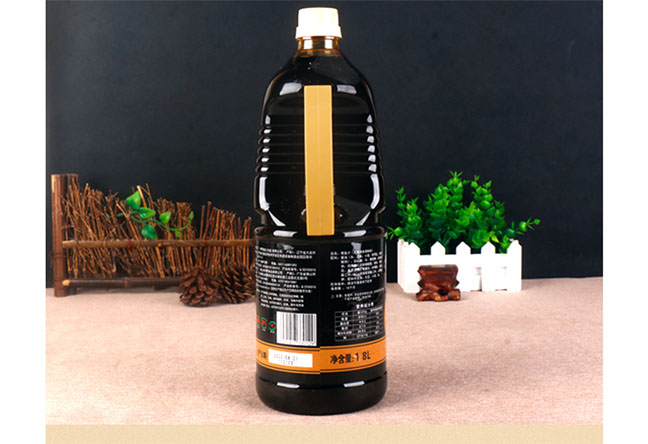
Whichever format you choose, the eel sauce itself deserves attention. A properly reduced tare relies on balanced umami from soy, mirin, and sugar — get the ratio wrong and the sauce either overwhelms the eel or disappears under it. Restaurants building their own glaze from a base stock often run into inconsistent viscosity between batches, which is exactly why many kitchens source a ready-made kabayaki sauce instead of reducing it in-house every shift. For teams plating eel rice bowl toppings at volume, a stable sauce source removes one variable from an already busy line.
Need a sample or a spec sheet before you commit to a cut format or packaging style? Reach out to Eelpro for product specs, MOQ details, and lead times tailored to your order — and let us know your target market so we can confirm which certifications apply.