

What Is Unagi Eel and Why Does the Species Matter for Importers
For food importers and restaurant chains, a common point of confusion is the term "unagi." The simple question is, is unagi eel? The answer is yes, but this only scratches the surface. Unagi specifically refers to freshwater eel, typically of the Anguilla genus, prepared in a specific Japanese culinary style. Understanding the distinctions between species, preparation methods, and processing standards is not just a matter of culinary detail; it directly impacts product cost, consistency, and compliance with international food safety regulations.
As a food safety and quality specialist, I've guided dozens of overseas clients through the complexities of importing eel products. A frequent challenge they face is sourcing a product that meets both their customers' expectations for taste and texture and the stringent import requirements of markets like Japan, the US, and the European Union. The wrong product can lead to failed inspections, disappointed customers, and significant financial risk. This guide breaks down what defines high-quality unagi, from the eel species in the water to the finished fillet in the box.
From Water to Plate: Defining Unagi by Species, Cut, and Preparation
The term "unagi" on a menu represents a finished culinary product, but for a buyer, it begins with a specific type of raw material and a precise production process. Misunderstanding these fundamentals can lead to sourcing inconsistent or unsuitable products. Here, we answer the key questions that connect the live eel to the ready-to-heat product that diners recognize.
- What eel species are used for unagi?
The most prized species for traditional unagi is the Japanese eel, Anguilla japonica, known for its rich flavor and tender-yet-firm texture. However, due to supply constraints, other species like the European eel (Anguilla anguilla) and American eel (Anguilla rostrata) are also farmed and used. Each has a slightly different fat content and texture profile, which can affect the final product. At Eelpro, we source from over 5,000 tons of high-quality raw materials annually from our 19 certified and cooperative unagi eeel farm for eelpro co., ltd, ensuring a consistent supply of the right species for our clients' needs. - How does a freshwater eel become "unagi kabayaki"?
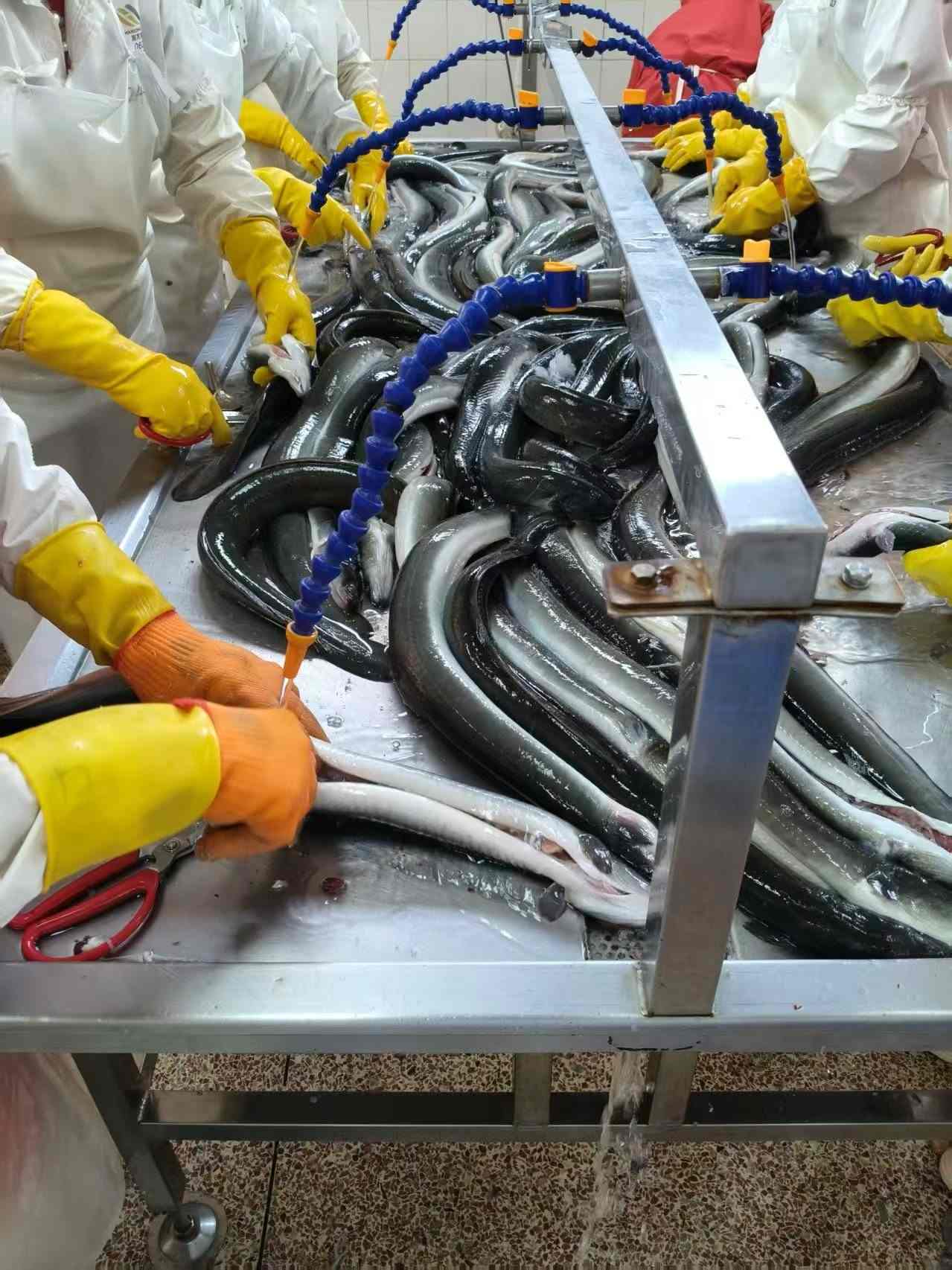
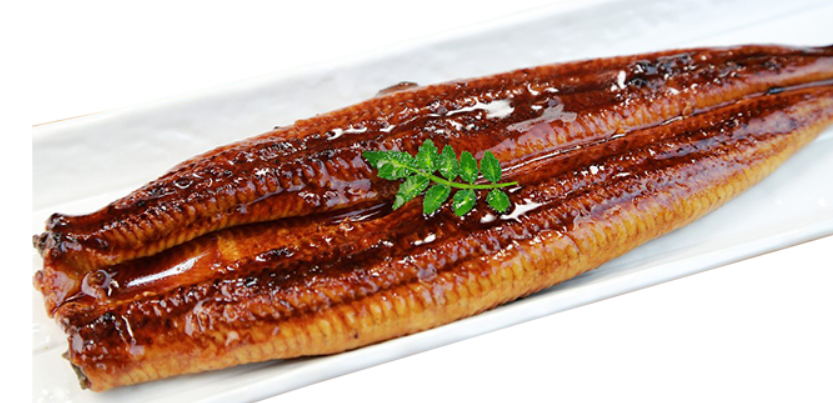
The transformation is a multi-step process. First, the eel is filleted, deboned, and butterflied. It is then grilled without any seasoning, a preparation known as shirayaki. This initial grilling removes excess fat. After grilling, the eel is steamed to make it tender, then basted with a sweet soy-based glaze called tare and grilled again. This glazing and grilling step is repeated multiple times. Our process involves four precise layers of soy sauce coating, each at a controlled temperature, to build a deep, savory flavor. This is what creates the iconic unagi kabayaki eel. - What is the difference between unagi and anago?
This is a critical distinction. Unagi is freshwater eel, while anago is saltwater conger eel. Unagi is richer, fattier, and has a bolder flavor. Anago is learner, with a much softer, more delicate texture and a subtler, sweeter taste. They are not interchangeable in recipes, and their sourcing and pricing are entirely different. For classic dishes like unadon (eel rice bowl), unagi is the standard. - What do preparation terms like "kabayaki" and "shirayaki" mean for a buyer?
These terms define the final product you are purchasing.- Kabayaki: This is the most common format—grilled and glazed with sweet soy sauce (tare). It is ready to be heated and served, making it ideal for high-volume foodservice operations. Our unagi kabayaki product is our flagship export.
- Shirayaki: This is plain roasted eel without the sauce. It offers a cleaner taste of the eel itself and provides chefs with a blank canvas to apply their own custom glazes or seasonings.
A Buyer's Checklist for Sourcing Safe and Compliant Frozen Unagi
When evaluating a frozen eel supplier, moving beyond price to verify quality and safety systems is non-negotiable. A low-cost product that fails to meet import standards is a liability. This checklist covers the critical points I advise all our new partners in Germany, Australia, and the US to confirm before placing an order.
Supplier Verification Checklist
-
Certifications and Traceability:
Does the supplier hold internationally recognized food safety certifications?
What to look for: Ask for copies of their ISO 22000:2018, HACCP, and HALAL certificates. Verify their Export Food Producer Registration. We provide all documentation to our clients, backed by full-chain traceability from our ~20 customs-registered farming bases covering over 2,150 mu. -
Residue and Contaminant Testing:
Can the supplier provide test reports demonstrating compliance with your target market's standards?
What to look for: Request data on veterinary drug residues and microbiological indicators. Products destined for the EU, Japan, and the US have different maximum residue limits. Our in-house professional eel lab of eelpro co., ltd and strict testing protocols ensure our products meet these stringent standards, helping you avoid trade risks. -
Processing Technology:
What specific techniques does the supplier use to ensure quality and consistency?
What to look for: Inquire about their roasting and glazing process. Our patented low-fat roasting and deodorizing equipment, combined with our standardized 4-layer soy sauce coating process, produces a consistent flavor profile and texture batch after batch. -
Cold Chain Management:
Does the supplier have adequate cold storage and logistics capabilities to maintain product integrity?
What to look for: Confirm the capacity and condition of their cold storage facilities. Our 1,000-ton cold storage facility ensures products are held at a stable temperature from production through to shipment, preserving quality. -
Production Capacity and Reliability:
Can the facility handle your volume requirements without compromising quality?
What to look for: Ask about annual production capacity and typical lead times. With an annual capacity of 4,000 tons across two modern production lines, we reliably supply large-scale foodservice chains in Japan and importers across Southeast Asia.
Meeting Volume and Specification Demands for Global Markets
For large-scale buyers, sourcing unagi eel isn't just about quality—it's about securing a stable supply of a product customized to your specific needs. Whether you're a distributor in Poland supplying restaurants or an importer in Indonesia serving catering chains, your supplier's ability to scale and adapt is key.
Our facility was designed for this purpose. With over 160 employees, including a dedicated team of 25 technical and quality-control specialists, we manage a production flow that balances volume with precision. A typical order, from confirmation to shipment, takes approximately 30 days, though this is negotiable based on the complexity of the order. This consistent timeline allows our partners to manage their inventory effectively.
Furthermore, product standardization is a major cost-saver for foodservice kitchens. Our boneless, precisely cut fillets reduce back-of-house labor and ensure portion control. We offer a range of custom specifications to meet diverse menu applications.
Customization Capabilities for Unagi Eel Products
| Specification Type | Available Options | Best For |
|---|---|---|
| Cutting Format | Shredding, dicing, strip-cutting, chunk-cutting, 3-section cut, sushi slices | Sushi rolls (make unagi rolls), rice bowls, bento boxes, appetizers |
| Preparation Style | Unagi Kabayaki (glazed with eel sauce), Shirayaki (plain roasted) | Ready-to-heat applications (Kabayaki), kitchens with custom sauces (Shirayaki) |
| Eel Sauce (Tare) | Supplied with kabayaki products or sold separately in bulk formats | Ensuring flavor consistency across all dishes; our eel sauce (unagi tare) is made to complement our roasted eel. |
| Packaging Format | Vacuum skin-packaging (for retail), bulk-packed cartons (for foodservice), gift boxes | Retail distribution, restaurant chains, wholesale importers, holiday gift markets |
Our Minimum Order Quantity (MOQ) policies are differentiated to serve domestic catering chains, wholesale clients, and export traders, with specific quantities negotiable based on the final product specifications. This flexibility ensures we can build long-term partnerships with businesses of varying scales.
For detailed specifications on our frozen unagi kabayaki or to discuss your import requirements, contact our team to request a full product catalog and a customized quote.