


What Makes Unagi Eel Sushi Tender and Glazed
Why does unagi eel sushi feel soft enough to break with a gentle bite, yet shine with a dark, sticky glaze? The answer is not raw freshness alone. It comes from cooking, grilling, and repeated sauce coating working in sequence.
For diners, unagi can look mysterious beside salmon or tuna sushi. For menu planners and home cooks, the question is more practical: why does one portion taste buttery and polished while another feels dry, overly sweet, or covered in burnt sauce? Good unagi eel sushi depends on controlled preparation from the cooked eel fillet to the final warm glaze.

Why unagi is different from raw fish sushi
The first distinction is simple: unagi eel sushi is generally served with cooked freshwater eel, not raw eel. The eel is processed into kabayaki-style fillets, then warmed and placed over seasoned rice or used in rolls. That changes the eating experience completely.
Raw fish sushi relies on clean flavor, fat quality, slicing skill, and cold serving temperature. Unagi relies on tenderness, smoke-like grilled notes, sauce balance, and a pleasant contrast between warm eel and lightly seasoned rice. The product must therefore remain moist after reheating without becoming soft or watery.
For restaurant buyers, the practical conclusion is that a sushi-ready eel product should be selected for consistent cooked texture, not only visual color. A dark surface can look attractive in a package but still hide a dry interior or an overly heavy sauce layer.
- Choose kabayaki eel when the menu needs a warm, sweet-savory sushi topping with a finished appearance. This suits nigiri, dragon rolls, unagi bowls, and bento items.
- Choose white-roasted eel when chefs want to apply their own tare, regional seasoning, or finishing sauce. This suits menus that need more flavor control. It does not fit operations that need the fastest possible assembly.
- Choose standardized cuts when portion control matters. Sushi slices, strip cuts, chunks, and three-section cuts can reduce trimming work at the counter.
Eelpro supplies frozen roasted eel with custom cutting options, including sushi slices and strip cuts. Buyers comparing a finished topping with a more flexible base can review the unagi kabayaki product page before setting a specification.
How steaming grilling and repeated tare glazing build the final texture
The tender center and lacquered surface of unagi eel sushi come from a sequence, not one dramatic cooking step. Steaming softens the flesh. Grilling develops aroma and surface structure. Repeated tare glazing creates the polished finish diners expect.
This is also where product quality becomes visible. If one stage is poorly controlled, the next stage cannot fully repair it. Extra sauce cannot restore a dry fillet. More grilling cannot correct a watery surface.
| Preparation stage | What it changes in practice | What goes wrong when poorly handled | Best fit for buyers |
|---|---|---|---|
| Steaming | Heat and moisture soften connective tissue and help the eel develop a tender, yielding bite. | Too little moisture can leave the flesh firm or dry. Excess exposure can make the fillet fragile and difficult to portion. | Sushi counters and foodservice kitchens that need a soft texture after reheating. |
| Grilling | Grilling firms the outer surface, adds roasted aroma, and gives the fillet enough structure to sit neatly on rice. | Insufficient grilling can leave a flat flavor and weak surface. Excess grilling can dry the edge and make the sauce taste harsh. | Menus that want visible roasted character rather than a purely steamed texture. |
| Repeated tare glazing | Each thin coating builds color, savory sweetness, and a smooth lacquered finish without burying the eel’s texture. | One thick application can pool, run onto the rice, or taste overly sweet. Too much heat after glazing can scorch the sugars. | Nigiri, rolls, and plated eel dishes where appearance matters as much as flavor. |
The familiar shine on unagi eel sushi is partly linked to the Maillard reaction, which contributes browned and roasted flavor during heating. However, a glossy surface is not only a color target. It should cling lightly to the eel, remain even across the fillet, and avoid soaking the rice beneath it.
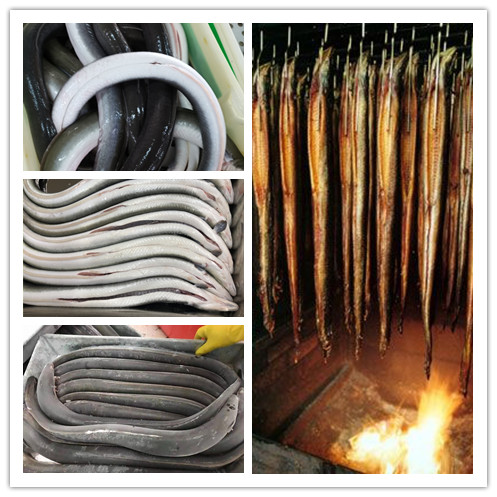
Eelpro uses an export-grade roasting process with four precise layers of soy-sauce coating and defined color standards from white-roasted eel through the first, second, third, and fourth coating stages. The company also applies patented low-fat roasting and deodorizing technology. This approach fits buyers seeking a repeatable kabayaki appearance, but it does not replace a buyer’s own final warming and plating standards.
How to judge a good sushi topping before serving it
When assessing unagi eel sushi, use the senses in the order a guest will notice them: appearance first, aroma next, then texture and finish. A product review should not stop at whether the fillet looks dark and shiny in the package.
| Check point | What good performance looks like | What the result tells you | Limit of the check |
|---|---|---|---|
| Surface glaze | Even coverage with a gentle sheen rather than thick pools of sauce. | The sauce is likely applied in controlled layers and should present neatly on rice. | A good glaze cannot confirm internal tenderness on its own. |
| Fillet structure | The eel holds together during cutting and transfer, but separates easily when eaten. | The topping can support clean sushi assembly without feeling tough. | Handling during thawing and reheating can still change the result. |
| Aroma | Roasted, savory, and lightly sweet, without a strong unwanted fishy smell. | The grilling and deodorizing steps are contributing to a cleaner eating experience. | Aroma should be evaluated after the intended final heating method. |
| Rice interaction | The sauce stays mainly on the eel, while the rice remains shaped and distinct. | The topping is suitable for nigiri presentation and takeaway packaging. | Rice seasoning and holding conditions still affect the final bite. |
A useful buying rule is this: select a more sauce-forward product for high-volume, familiar menu formats, but select white-roasted or lightly finished eel if the chef’s own tare is a signature feature. The first option reduces preparation steps. The second offers more menu control. Neither is automatically better; the right choice depends on whether consistency or customization leads the operation.
For buyers who want to compare sauce behavior, Eelpro’s eel sauce product page provides a useful reference point for unagi tare as a separate ingredient.
Common mistakes that make unagi dry sticky or disappointing
Even carefully prepared unagi eel sushi can lose its appeal at the final service stage. Most problems come from overheating, rushed handling, or treating sauce as a cover for texture issues.
- Mistake: applying a thick final sauce layer. The result is often a heavy, candy-like coating that slides into the rice. Use a light finishing brush instead. This is especially useful for nigiri and open-faced sushi; a thicker coating may be more acceptable in a rice bowl.
- Mistake: reheating until the edges harden. The center may remain acceptable while the thinner areas become dry. Warm only until the fillet is heated through and flexible. This advice does not mean serving a cold product; cold eel loses much of its aroma and softness.
- Mistake: cutting before the surface has settled. Freshly heated glaze can drag along the knife and damage the presentation. Let the surface settle briefly before slicing or portioning.
- Mistake: placing too much eel on too little rice. The bite becomes rich but unbalanced, and the sushi may collapse. Match topping size to the rice shape and the service format.
- Mistake: assuming darker means better. A very dark exterior may reflect more sauce or more grilling, not necessarily better flavor. Judge shine, aroma, tenderness, and sauce balance together.
Food fact: the shiny finish is built by repeated thin coatings, not by flooding the eel with sauce at the end. This is why a well-made portion of unagi eel sushi can look polished while still tasting like eel rather than only sugar and soy sauce.
A practical selection checklist for restaurants retailers and home cooks
Before choosing frozen kabayaki for unagi eel sushi, clarify the final dish, the kitchen workflow, and the type of customer experience you want. This prevents a common purchasing mismatch: buying a beautiful fillet that does not suit the menu’s portion size or sauce policy.
- Define the serving format. Decide whether the eel will be used for nigiri, rolls, rice bowls, bento, or mixed seafood dishes. Sushi slices fit neat topping placement, while strips and chunks may suit rolls or bowls better.
- Decide who controls the final sauce. Choose finished kabayaki when speed and repeatability are the priority. Choose white-roasted eel if the kitchen needs its own house tare.
- Request the required cut specification. Eelpro can support shredding, dicing, strip cutting, chunk cutting, three-section cuts, and sushi slices. The practical limit is that custom specifications and packaging formats may affect order planning.
- Review food-safety documentation for the target market. Eelpro holds ISO 22000:2018, HACCP, HALAL certification, export food producer registration, and an SC food production license. Its products are produced to meet Japan, United States, and European Union food inspection requirements for veterinary drug residues and microbiological indicators.
- Check supply-chain control. The company works with around 20 customs-registered eel farming bases covering more than 2,150 mu, with traceability from farm registration through process verification and shipment tracking.
- Plan storage and ordering realistically. Eelpro has a 1,000-ton cold storage facility and regular orders are generally delivered in approximately 30 days from order confirmation to shipment. Specifications and quantity can change the schedule, so this is not a fixed promise for every order.
For a restaurant group, the best route may be frozen kabayaki in standardized sushi slices, paired with a light final brush of tare. For a distributor serving several cuisines, mixed formats may be more useful: finished fillets for sushi outlets and cut pieces for bowls or prepared foods. Eelpro’s frozen eel supplier page outlines the available manufacturing and export support.
What buyers should ask a frozen unagi supplier
A short, specific inquiry produces better samples and faster comparisons. When requesting unagi eel sushi products, avoid vague questions such as “Do you have good eel?” Instead, ask for information that directly affects the plated result.
- Which cut is recommended for nigiri, rolls, or rice bowls?
- Is the product white-roasted or finished kabayaki with tare?
- Can the supplier provide sushi slices, strips, chunks, or custom cuts?
- What packaging format is available for retail, foodservice, or gift-box programs?
- Which documents support the destination market’s import and food-safety review?
- What MOQ applies to the requested product specification and packaging format?
- What order confirmation details are needed to confirm the expected shipment schedule?
Eelpro operates two modern production lines for frozen roasted eel and deep-processed aquatic products, with annual finished-goods capacity of 4,000 tons. Its in-house laboratory, metal detectors at control points, and team of more than 160 employees, including 25 technical and quality-control personnel, support the consistency buyers need when evaluating unagi eel sushi for repeat menus.
Ask Eelpro for a sample or product-selection quote for your sushi menu.