


What Is Unagi Eel? A Practical Guide to Japanese Freshwater Eel for Buyers
A buyer emails asking for "eel" and three suppliers send three different fish. One is a marine species. One is farmed but mislabeled. Only one is real unagi eel. This mix-up happens more often than it should in foodservice sourcing, and it costs menus their credibility. If you're stocking a Japanese menu, knowing exactly what unagi is — and what it isn't — protects your pricing, your supplier contracts, and your guest experience.
This guide breaks down the species, the taste profile, and the buying details that actually matter once you're placing a purchase order.
What Kind of Eel Is Unagi, Exactly?
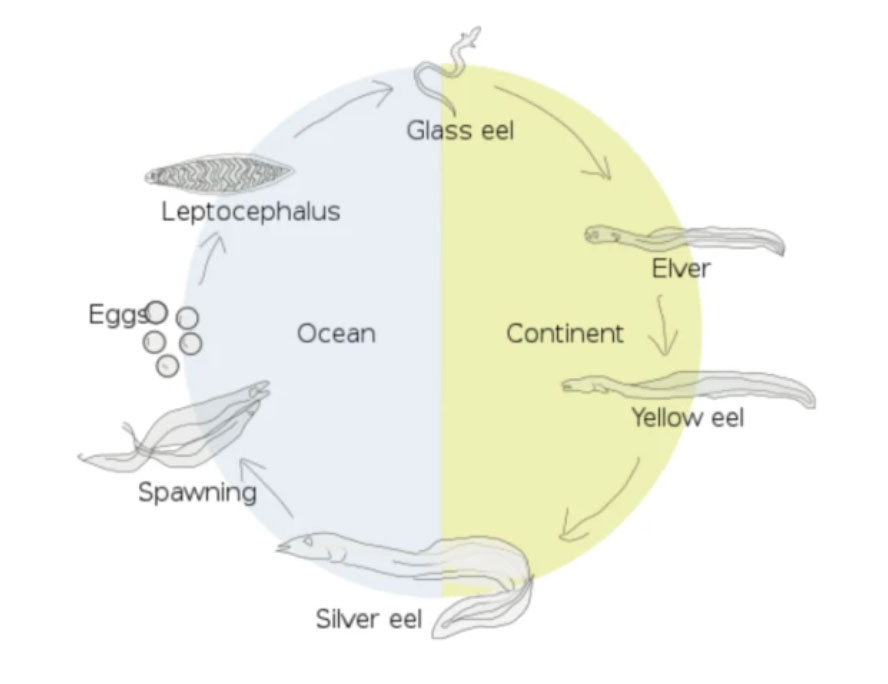
Unagi refers to freshwater eel, specifically the species Anguilla japonica, also called Japanese freshwater eel. It's a catadromous fish — born in the ocean, migrating into rivers and estuaries to grow, then returning to salt water to spawn. That life cycle is part of why wild-caught supply has always been limited, and why most commercial unagi today comes from farmed operations that raise juvenile eels (glass eels) in controlled freshwater ponds.
If a supplier tells you "unagi" without specifying species, ask directly. Anguilla japonica is the traditional benchmark species for kabayaki-style eel, prized for its fat content and texture after grilling. Some suppliers substitute other Anguilla species (like Anguilla anguilla or Anguilla rostrata) — these aren't fraudulent, but they're not the same product, and pricing, texture, and flavor will differ. Get species confirmation in writing before you commit to volume.
Unagi vs Anago: Why This Distinction Changes Your Sourcing Decision
This is the single most misunderstood point in eel sourcing, and it deserves its own breakdown because getting it wrong means paying for the wrong product or serving the wrong thing to guests expecting something else.
- Unagi = freshwater eel (Anguilla japonica). Higher fat content, denser flesh, rich savory taste. Used for kabayaki (grilled, glazed) preparations.
- Anago = saltwater conger eel, a different genus entirely (Conger myriaster). Leaner, milder, softer texture. Typically served lightly simmered or as sushi topping, rarely grilled with a heavy glaze.
| Attribute | Unagi (Freshwater Eel) | Anago (Saltwater Conger) |
|---|---|---|
| Species | Anguilla japonica | Conger myriaster |
| Habitat | Freshwater rivers, farmed ponds | Coastal marine waters |
| Fat content | High — key to kabayaki richness | Low — leaner flesh |
| Common prep | Grilled with soy glaze (kabayaki) | Simmered or lightly seasoned |
| Price tier | Higher, due to farming cost and demand | Generally lower |
| Menu labeling risk | Must be labeled "unagi" or "freshwater eel" | Must be labeled "anago" or "conger eel" |
The practical consequence: if you buy anago and list it as "unagi" on a menu, you're misrepresenting the product — and any guest who's had real kabayaki elsewhere will notice the texture difference immediately. If your target dish is a rich, glazed kabayaki bowl, anago won't deliver the same result no matter how you season it. Confirm species on the supplier's spec sheet, not just the product name on the box.
What Does Unagi Taste Like? Setting Guest Expectations Right
Unagi has a savory, slightly sweet flavor once grilled and glazed — the taste most diners associate with it comes largely from the eel sauce (tare), a soy-based glaze built in layers during roasting. The eel itself, before sauce, has a mild, rich, almost buttery quality from its fat content. Texture matters as much as flavor: properly roasted unagi should be tender, slightly crisp on the surface, and never rubbery or fishy-smelling. If your kitchen gets complaints about "fishy" unagi, that's usually a sourcing or process issue — either the eel wasn't properly deodorized during processing, or it's been mishandled in cold storage. Eelpro's eel farming base network and patented deodorizing technology target exactly this problem at the processing stage, which matters more to consistency than any recipe tweak on the line.
Common Mistakes Buyers Make When Sourcing Unagi
- Assuming "eel" on a supplier list means Anguilla japonica. Always request species confirmation and a spec sheet.
- Buying based on price alone. Lower-fat or mislabeled species can look cheaper but underperform on the grill and disappoint guests.
- Ignoring cold-chain documentation. Frozen kabayaki that's been temperature-abused in transit will have inconsistent texture, even if the species and grade are correct.
- Skipping traceability questions. Ask which farming base the eel came from and whether the supplier can trace the batch back to source. This matters for both food safety audits and consistency claims to your own guests.
- Overlooking sauce quality. A great eel with a thin, one-dimensional glaze will taste flat. The layering process behind a good eel sauce is part of what separates export-grade kabayaki from generic product.
How Unagi Is Processed for Export — What It Means for Your Menu
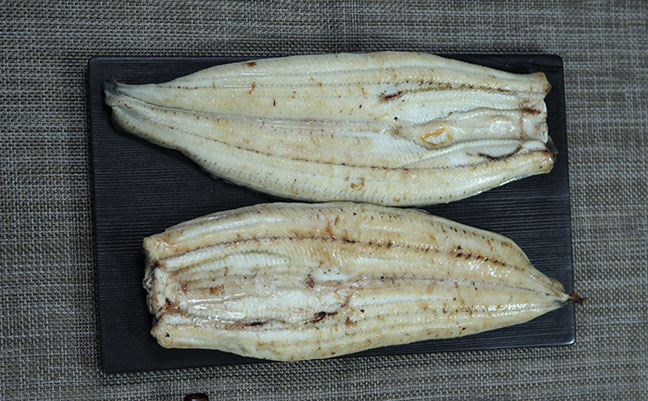
Export-grade kabayaki production typically involves a multi-step roasting process. Eelpro's process, for example, applies 4 layers of soy-sauce coating with temperature-controlled steps between each layer — this builds the glaze gradually rather than dumping sauce on all at once, which is what produces the deep color and balanced sweetness professional kitchens expect. The company also follows documented standards for "white-roasted color" and "1st-through-4th soy-sauce coating color," which gives buyers a visual benchmark to check consistency batch to batch.
For foodservice buyers, this matters practically: pre-cut, boneless kabayaki reduces back-of-house prep time significantly compared to whole eel that needs deboning and portioning on-site. If your kitchen doesn't have staff trained in cleaning and deboning eel, ordering pre-processed cuts (strip, chunk, or sushi slice) is the more reliable option — whole-fish processing in-house introduces more room for inconsistency and waste.
Step-by-Step: Verifying a Unagi Supplier Before You Order
- Request species confirmation in writing — confirm it's Anguilla japonica, not a substitute species or anago.
- Ask for certification documents — look for ISO 22000, HACCP, and export food producer registration at minimum.
- Request a sample of the finished kabayaki, not just raw eel, to evaluate glaze color and texture after grilling.
- Confirm cold-chain and cold-storage capacity — ask how the product is stored between processing and shipment.
- Ask about traceability — can the supplier trace a batch back to its farming base if there's a quality question later?
- Clarify MOQ and lead time — standard order timelines run around 30 days from confirmation to shipment, though this varies by cut and packaging format.
Buyer's Decision Checklist
- Does the supplier confirm Anguilla japonica species on the spec sheet? Yes/No
- Are ISO 22000, HACCP, or HALAL certifications documented? Yes/No
- Does the product meet the veterinary drug residue and microbiological standards for your target market (Japan, US, or EU)? Yes/No
- Is the cutting spec (skewer, chunk, sushi slice) matched to your menu format? Yes/No
- Can the supplier provide traceability from farm to shipment? Yes/No
If you can't check "yes" on all five, ask more questions before signing a purchase agreement. This is especially important for import into regulated markets — Eelpro's export compliance work, for instance, is built around Codex Alimentarius style residue and microbiological benchmarks used across Japan, US, and EU inspection regimes.
Where Unagi Fits on a Menu
Kabayaki-style unagi works across a wide range of formats — donburi rice bowls, sushi rolls, ramen toppings, and standalone grilled plates. If you're building out a new menu section, it's worth reviewing practical prep ideas like unagi ramen preparation or eel sushi roll techniques before finalizing your cut specifications with a supplier — the format you choose affects which cut (strip, dice, or whole fillet) you should be ordering.
For buyers comparing suppliers, it's also worth checking production scale and cold-chain capacity directly — a 1,000-ton cold storage facility, for example, supports more stable supply during peak season than a supplier running on smaller storage capacity, which matters if you're placing recurring foodservice orders rather than a one-time trial batch.
If you're ready to move from research to sourcing, request a spec sheet and sample of frozen kabayaki eel to check glaze, texture, and cut against your menu requirements before committing to a full order.