




What is Unagi and Why is It a Summer Tradition in Japan?
As a food importer or distributor, you likely know that unagi is the Japanese word for freshwater eel. It’s a premium product, prized for its rich, savory flavor and tender texture. But many of our partners, from restaurant chains in Japan to food importers in the United States, often ask about its deep cultural roots. Specifically, why is this dish so strongly associated with the hottest days of summer? Understanding this tradition is key to marketing the product effectively.
The answer lies in a centuries-old custom called Doyo no Ushi no Hi, or the Midsummer Day of the Ox. This tradition connects unagi consumption with combating summer fatigue. For foodservice businesses and importers, grasping this "why" behind the demand provides a powerful story that resonates with consumers and explains seasonal sales peaks.
Understanding the Summer Eel Custom: More Than Just a Meal
The practice of eating unagi in the summer isn't just a random food trend; it's a cultural institution in Japan. For international buyers, it’s important to understand this context. It explains why demand spikes and why unagi is perceived as a restorative, high-value food rather than an everyday staple. This tradition is rooted in history, medicine, and marketing.
Here’s a breakdown of the key elements behind Doyo no Ushi no Hi and its impact:
- Historical Roots: The tradition is believed to have started during the Edo period (1603-1868). According to popular lore, a struggling eel shop owner sought advice from a well-known scholar, Hiraga Gennai, on how to boost sales during the summer. Gennai suggested he post a sign advertising that eating eel on the Day of the Ox provides stamina to beat the summer heat. The idea caught on, and the tradition was born.
- The "Stamina Food" Concept: Japanese summers are notoriously hot and humid, leading to a condition known as natsubate, or summer fatigue. Unagi is rich in vitamins A, B1, B2, D, E, and minerals. Historically, it was believed these nutrients helped restore energy and vitality, making it the perfect remedy for the summer lethargy.
- It's a Special Occasion: Unagi is not a cheap, daily meal. It's considered a delicacy. Eating it on the Day of the Ox is an annual ritual for many families and a treat to look forward to. This positions it as a premium product, and foodservice businesses can leverage this perception by marketing it as a seasonal special or a luxurious indulgence.
- Not a Universal Daily Practice: While the summer tradition is strong, it's a specific cultural event. Outside of this period, unagi is still enjoyed year-round in restaurants, but the intense, widespread focus is on this summer day. For importers in markets like Australia or Europe, this provides a marketing angle: "Experience a Japanese summer tradition" or "The secret to beating the heat."
This cultural background is vital for our export clients. For example, our long-term partners supplying Japanese restaurant chains plan inventory months in advance for this peak. Likewise, when working with German food importers, we explain this tradition to help them build marketing campaigns around a unique cultural story.
From Farm to Freezer: What Defines Export-Grade Unagi
Knowing the cultural story is one thing; sourcing a product that meets consumer expectations is another. The quality of unagi kabayaki product begins long before it reaches the roasting line. As a Senior Food Safety Specialist, my primary focus is on the integrity of our supply chain, from the water source to the final frozen package. For buyers, vetting your supplier’s sourcing and traceability is non-negotiable.
We manage a network of approximately 20 customs-registered eel farming bases covering over 2,150 mu. This isn't just about scale; it's about control. Full-chain traceability means we can track every batch from a specific unagi eeel farm for Eelpro Co., Ltd through processing, packaging, and shipment. This system is essential for our clients in the US and EU, where import regulations are stringent.
Here is a checklist for importers when evaluating a potential frozen eel supplier:
| Verification Point | Why It Matters | Eelpro's Standard |
|---|---|---|
| Farm Registration & Certification | Ensures raw materials come from monitored, compliant sources, reducing risks of contaminants. | ~20 customs-registered farming bases with full traceability. |
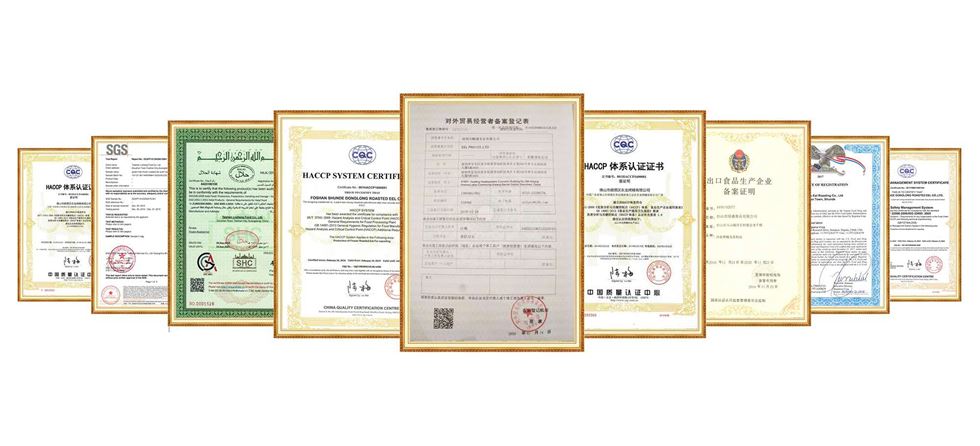
| Food Safety Certifications | Third-party validation of a supplier's quality management systems. Essential for market access. | ISO 22000:2018, HACCP, and HALAL certified. |
| In-House Laboratory & Testing | Allows for rapid, consistent monitoring of microbiological indicators and veterinary drug residues. | Professional eel lab of eelpro co., ltd on-site for targeted sampling and verification. |
| Cold Chain Infrastructure | Guarantees product temperature stability from production to port, preserving texture and safety. | 1,000-ton capacity cold storage facility for stable logistics. |
| Production Capacity | Confirms the supplier can handle large, consistent orders for retail or foodservice chains. | 4,000-ton annual finished goods capacity across 2 modern production lines. |
The Art and Science of Kabayaki: A Process You Can Trust
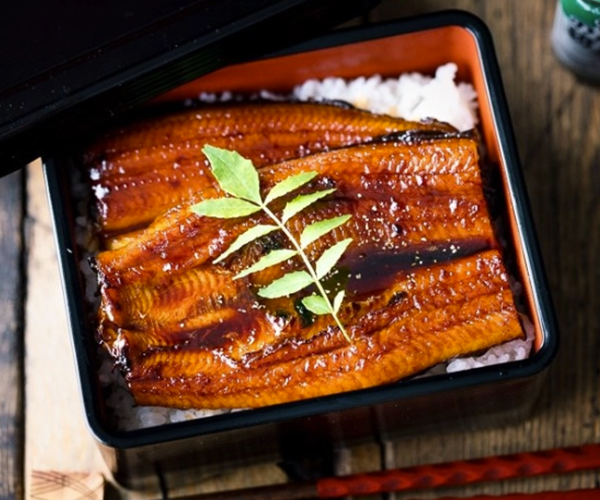
The term "unagi" is often used interchangeably with "unagi kabayaki," but kabayaki refers to the specific cooking style: split, deboned, skewered, and grilled with a sweet soy-based sauce. The quality of the final product depends entirely on the precision of this process.
Our roasting process is built on a standard we developed internally. It involves four precise layers of our signature eel sauce, each applied at a different, temperature-controlled stage. This method builds a deep, complex flavor that isn't just superficial. It ensures the sauce caramelizes perfectly without burning and fully seasons the fillet. This consistency is critical for our clients in Poland and Indonesia who supply foodservice channels where every dish must taste the same.
Furthermore, we've invested in patented technologies that directly address common quality issues:
- Low-Fat Roasting Technology: Renders excess fat during grilling, resulting in a cleaner flavor and a more pleasant, less oily mouthfeel.
- Deodorizing Equipment: Removes any residual "muddy" taste that can sometimes be present in freshwater eels, ensuring a pure, savory profile.
This technical expertise allows us to offer extensive customization. For foodservice clients, back-of-house efficiency is paramount. We provide a range of standardized, ready-to-heat cuts that minimize labor costs.
Common Custom Cutting Specifications
- Sushi Slices (Neta): Pre-sliced to a specific weight and size for sushi, a top requirement for our Japanese chain restaurant partners.
- Shredding/Dicing: Ideal for mixed rice dishes (hitsumabushi) or as a topping for noodle soups.
- 3-Section Cut: Perfect for bento boxes or donburi rice bowls, providing a standardized portion size.
- Full Fillet (Kabayaki): The classic presentation, often served as the centerpiece of a meal.
Meeting Global Standards for Safe and Reliable Trade
For any food importer, the biggest risk is a rejected shipment. A container held at customs due to non-compliance with veterinary drug residue limits or microbiological standards can be catastrophic. Over my career, I've guided dozens of overseas clients through these complex import requirements.
Our entire operation is built for export. We don't have separate standards for domestic and international products; our highest export-grade quality is applied to every order. Our products are produced to meet the stringent food inspection standards of Japan, the United States, and the European Union.
This commitment is backed by our certifications:
- ISO 22000:2018: A comprehensive food safety management system.
- HACCP: Proactive hazard analysis and critical control point management.
- HALAL: Certification for compliance with Islamic dietary laws, opening markets in regions like Southeast Asia.
With a team of 25 dedicated technical and quality-control personnel, we ensure that every stage, from raw material receiving to final packaging, is monitored. Metal detectors at critical control points and rigorous after-sales support based on contract terms provide our partners peace of mind.
By understanding both the cultural significance of unagi and the technical requirements for producing a safe, high-quality product, importers can confidently build a successful program around this exceptional food. It’s a product with a story, a tradition, and a taste that consumers value.
If you are looking for a reliable unagi kabayaki manufacturer , frozen eel supplier with a proven track record in global markets, our team is ready to help you meet your specific needs.
To discuss your product specifications or request a sample, please contact our sales team for a detailed quote.

 WhatsApp
 sales@chinaeels.com
 +8619937922411