





The Skeleton of an Eel Is Built for Speed, Not Bulk
Ever pulled apart a cooked eel fillet and wondered why the bones feel like fine threads instead of solid sticks? That's not an accident of cooking. The skeleton of an eel is genuinely built differently from a cod, a salmon, or a tilapia — and once you understand why, buying, cooking, and even filleting eel gets a lot less confusing.
This guide breaks down the actual structure — skull, spine, ribs, fins — and translates that into what it means when you're standing at a market stall or prepping a fillet for the grill.
Why Eel Bones Feel Different From Other Fish You've Cooked
Eels belong to the order Anguilliformes, a group of fish shaped almost entirely by their body plan: long, cylindrical, made for burrowing into mud and squeezing through tight river crevices. That body shape demands a different skeleton than a short, deep-bodied fish.
Most bony fish carry somewhere between 25 and 40 vertebrae. Eels routinely carry more than 100, sometimes over 110 depending on species. More vertebrae packed into a slim body means each individual bone segment has to be smaller and thinner — which is exactly why the skeleton of an eel reads as "fine" or "hair-like" compared to a fish with a shorter spine and thicker discs.
There's a second factor: eel muscle is arranged in overlapping W-shaped blocks called myomeres, layered tightly around the spine. This muscle structure is what gives eel its signature flex when swimming — and it's also why the bones inside feel woven into the flesh rather than sitting in one clean row, the way a salmon's pin bones do.
Anatomy Map — Skull, Vertebral Column, Ribs, and Fins
Understanding the skeleton of an eel starts with breaking it into four working parts. Each one does a specific job, and each one behaves differently on your cutting board.
| Structure | What It Actually Does | What Happens If You Ignore It |
|---|---|---|
| Skull | Small, compact, fused bone plates protecting the brain and anchoring the jaw muscles used for gripping prey | Left in a fillet, it creates a hard lump near the head end — usually removed whole rather than filleted around |
| Vertebral column | Over 100 small vertebrae running the full body length, giving the eel its whip-like swimming motion | Buyers who assume "few bones = easy to eat" get caught out; the spine itself is easy to remove, but it's not the only bone structure present |
| Ribs (intermuscular bones) | Thin, curved bones branching from each vertebra into the muscle — not a rigid cage like in mammals | These are the bones people actually complain about. They're short, flexible, and hide inside the fillet meat, which is why deboning eel by hand takes practice |
| Fins | A continuous dorsal, caudal, and anal fin supported by thin fin rays, not a separate bony skeleton set | Fin rays are usually trimmed off before processing; leftover fragments near the tail section are a common quality-control catch point |
The reason the skeleton of an eel appears "fine" everywhere — not just in the spine — comes down to that rib structure. Instead of one thick rib per vertebra, eels have several slender bones threading outward at slightly different angles. That's efficient for a fish that needs to bend its whole body sideways to swim, but it's the main reason deboning eel by hand is slower than deboning a round fish like mackerel.
What This Means When You're Buying or Cooking a Whole Eel
Knowing the skeleton of an eel in theory doesn't help much until you apply it at the counter or the stove. Here's where it actually changes your decisions.
Common mistakes buyers and home cooks make
- Assuming "boneless" eel means zero bone fragments. Boneless or deboned eel products remove the main rib structure, but trace fragments near the tail or belly flap can still occur — always confirm with the supplier whether metal-detection screening is part of their process.
- Skipping the skin check. Eel skin holds the fillet together during roasting. If the skin is torn during deboning, the fillet loses shape on the grill — a sign of rushed processing, not a cooking error on your end.
- Overcooking to "soften bones." The fine ribs in eel don't dissolve with extra cooking time the way small fish bones sometimes do. Extended heat just dries out the flesh. If bones are a concern, buy pre-deboned product instead of cooking longer.
- Cutting against the myomere pattern. Slicing straight down instead of following the natural muscle blocks tears the flesh and exposes more bone fragments per portion — a common issue when kitchen staff aren't trained on eel-specific cuts.
Step-by-step: checking a fillet before you cook it
- Run two fingers gently along the center line of the fillet, from head end to tail end.
- Feel for a firm ridge — that's the remaining spine track, even after deboning, it leaves a faint line.
- Press lightly along both sides of that ridge; any small stiff points are likely rib fragments.
- Check the tail third of the fillet specifically — this is where thin bones are hardest to remove completely.
- If you're prepping in bulk for a kitchen, keep a note of which batches needed extra checking, and flag it back to your supplier.
For a full breakdown of hand-deboning technique, the cleaning, skinning and deboning guide walks through the knife angles that follow the natural myomere lines instead of cutting across them.
How Processing Turns This Anatomy Into a Cleaner Cut
Because the skeleton of an eel is naturally fine and distributed through the flesh rather than concentrated in one place, mechanical deboning at scale is genuinely harder than for round fish. This is where processing standards start to matter more than most buyers expect.
Eelpro runs two production lines — frozen roasted eel and deep-processed aquatic products — built around a 4-layer soy-sauce roasting process with temperature-controlled steps at each stage. Fine bone removal happens before that roasting stage, using patented low-fat processing and deodorizing equipment developed specifically for eel's bone structure and fat distribution. Every batch passes through metal detectors at critical control points, and quality control is backed by an in-house laboratory rather than outsourced testing.
Raw material traceability matters here too. Eel quality and bone development vary with growing conditions, which is one reason full-chain tracking — from certified farming bases through processing to shipment — is standard practice for export-grade product rather than a marketing add-on. Around 20 customs-registered farming bases across roughly 2,150 mu feed into this system, giving processors consistent raw material to work with instead of mixed-quality stock.
For foodservice buyers specifically, standardized cutting — shredding, dicing, strip-cutting, chunk-cutting, 3-section cut, or sushi slices — combined with boneless, ready-to-heat packaging cuts down back-of-house labor. That matters more for restaurant kitchens running unagi kabayaki as a menu staple, where consistent bone-free portions directly affect plating speed during service.
Quick Reference Checklist Before You Order or Cook
- Confirm deboning method — hand-deboned vs. machine-assisted changes fragment risk and price.
- Ask if metal detection is part of the process — a basic quality marker for bone and metal fragment screening.
- Check the cut specification — chunk-cutting hides fewer bone fragments than sushi slices, which are thinner.
- Match packaging to use case — skin-packaging suits retail display; bulk formats suit catering prep.
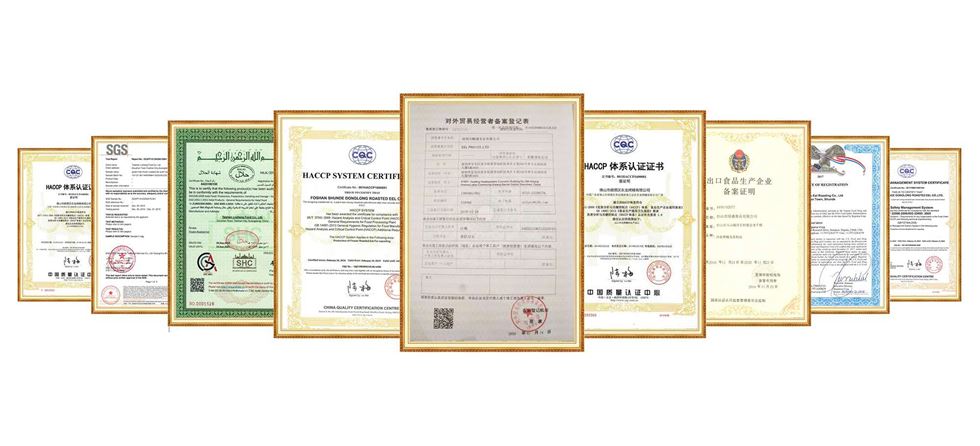
- Verify certification — ISO 22000, HACCP, and export food producer registration should be documented, not just claimed.
- Don't skip the final finger-check before serving, even with certified deboned product — it takes ten seconds and avoids the skeleton of an eel ending up in someone's mouth mid-service.
If you're sourcing eel for a menu or retail line and want deboning specs, cut options, or a sample confirmed against your kitchen's needs, request a quote or a sample spec sheet — it's a faster way to match product to your prep line than guessing from photos alone.
 WhatsApp
 sales@chinaeels.com
 +8619937922411