



What Is Unagi and How It Becomes Sushi-Ready Kabayaki
You're staring at a sushi menu. There's a glossy, dark-brown fillet sitting on rice, glazed like lacquer. The waiter calls it "unagi." You nod, order it, and then wonder — what exactly did you just agree to eat?
That question is more common than restaurants admit. What is unagi, in plain terms? It's Japanese freshwater eel, cooked and glazed into a dish called kabayaki. But the short answer skips the part that actually matters to anyone buying or serving it: how that eel gets from a live, slippery animal to the sweet-savory slice on your plate.
What Is Unagi, Exactly?
Unagi refers to freshwater eel — most traditionally Anguilla japonica, the Japanese eel species. It's different from anago, the saltwater conger eel sometimes swapped in at lower-cost sushi counters. Unagi has richer fat marbling and a firmer bite once roasted, which is exactly why it holds up under a thick soy glaze without turning mushy.
Freshwater eels are farmed rather than wild-caught in most commercial supply chains today, since wild stocks are limited and heavily regulated. Farmed eel raised in controlled ponds, fed a monitored diet, gives processors consistent fat content — a detail that directly affects roasting time and glaze absorption later in the process.
From Live Eel to Kabayaki: Filleting, Steaming or Grilling, and Glazing
This is the part most diners never see, and it's where quality is actually decided. Skipping or rushing any step here changes texture, flavor, and shelf life — not just presentation.
- Filleting and butterflying — The eel is split open along the back (Kanto style) or belly (Kansai style), then deboned. If bones aren't fully removed, the fillet becomes a choking hazard and fails export inspection. A poor cleaning, skinning, and deboning job also leaves connective tissue that turns tough after grilling.
- Steaming (optional step) — Kanto-style processing steams the fillet before grilling, at roughly 90-100°C for several minutes. This melts excess surface fat and softens the flesh. Skip this step, or shorten it, and the finished eel turns oily and heavy instead of tender.
- Grilling / roasting — The fillet goes over direct heat first without sauce, producing what's called the "white-roasted" stage. Get the surface temperature wrong here — too low, and the skin stays flabby; too high, and the flesh dries before the glaze ever touches it.
- Glazing in layers — This is the step buyers most often underestimate. A proper kabayaki glaze isn't one dip. It's up to four separate soy-sauce coating passes, each one grilled in briefly before the next layer goes on. Fewer layers and the glaze looks thin and tastes flat; too many passes without enough heat control between them, and the sugar in the sauce scorches, leaving a bitter edge instead of that deep mahogany color.
- Final roast and rest — A short final grill sets the glaze so it doesn't run when reheated. Skipping this leaves a sticky, unstable coating that separates from the flesh during shipping or reheating.
Patented low-fat roasting and deodorizing methods exist specifically to solve two chronic complaints about frozen eel: greasiness and a muddy, pond-water smell. Both come from raw material and timing errors upstream, not from the glaze itself.
Kanto vs Kansai Style — What Actually Differs
| Feature | Kanto Style (Tokyo) | Kansai Style (Osaka) |
|---|---|---|
| Cut | Split from the back | Split from the belly |
| Steaming | Yes, before grilling | Usually skipped |
| Texture result | Softer, melts easily | Firmer, crisper skin |
| Best use case | Donburi, sushi nigiri | Grilled skewers, izakaya plates |
Neither style is "correct" — they solve for different textures. If you're building a rice bowl, softer Kanto-style fillets hold their shape better under sauce. For skewers meant to be eaten hot off the grill, the firmer Kansai cut resists falling apart.
How to Judge Unagi Quality Before You Buy or Order
Most buyers judge unagi by color alone, and that's a mistake. Color tells you about the glaze, not the eel underneath. Use this checklist instead:
- Check the fat marbling — visible white streaks running through the flesh indicate good farming, not damage.
- Look for bone fragments — a properly deboned fillet should have none; metal detection at critical control points is standard practice for reputable processors.
- Ask about the glaze layering — suppliers who mention a multi-pass soy-sauce process are usually more consistent than those offering a single quick dip.
- Confirm cold-chain handling — eel that's cycled through partial thawing during transit loses texture fast, even if it looks fine frozen.
- Ask for traceability records — farm origin and processing dates should be available on request, not buried in paperwork.
Common Mistakes When Cooking Frozen Unagi Kabayaki at Home or in Foodservice
- Thawing at room temperature — this breaks down the glaze and lets bacteria grow. Thaw in the refrigerator instead.
- Overheating in the microwave — dries the fillet and burns sugar in the sauce. Low oven heat or a quick pan warm works better.
- Skipping the extra glaze brush — most frozen unagi kabayaki benefits from a final brush of eel sauce before serving, since some glaze is lost during freezing and reheating.
- Storing at inconsistent temperatures — repeated freeze-thaw cycles in home freezers ruin texture faster than the original processing ever would.
Sourcing Unagi for Foodservice — What Buyers Should Ask Suppliers
If you're buying at volume, quality control needs to happen before the eel ever reaches a kitchen. A few practical questions separate serious suppliers from the rest:
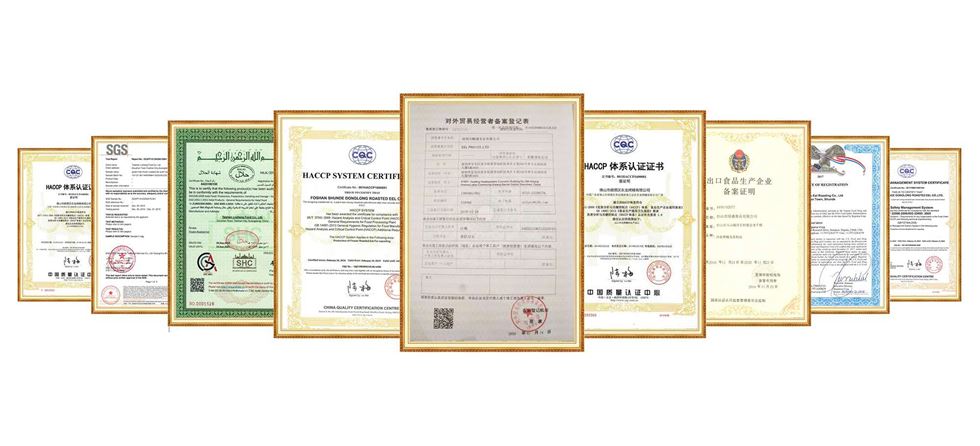
- Do they run ISO 22000 and HACCP-certified processing lines, and can they provide the certificates on request?
- Do they hold export food producer registration, and does their product meet Japan, US, and EU residue and microbiological standards?
- Can they trace product back to specific eel farming bases, not just a general region?
- Do they operate cold storage large enough to buffer order timing without quality drops — a 1,000-ton facility, for instance, allows stable supply even during peak demand periods?
- Do they test in an in-house laboratory rather than relying only on third-party spot checks?
Eelpro operates two production lines with combined annual capacity of 4,000 tons, sources from roughly 20 customs-registered farming bases covering over 2,150 mu, and runs quality checks through metal detectors and an in-house lab at critical control points. For buyers evaluating frozen seafood suppliers, that kind of traceability chain matters more than a lower quoted price.
Understanding what is unagi at the process level — not just the dictionary definition — changes how you evaluate every fillet you buy or order. The glaze color, the fat content, the bone-free cut, all trace back to specific steps in filleting, roasting, and layering. Get curious about those steps, and it's much easier to spot a shortcut before it ends up on your plate.
Curious how the glaze itself is built layer by layer? Our breakdown on kabayaki sauce covers that in more depth, and our donburi ideas guide has practical plating suggestions if you're building a menu around it.
If you're sourcing frozen unagi kabayaki or eel sauce for a restaurant, import business, or retail line, feel free to request a spec sheet or sample batch to check color, glaze consistency, and cut size before placing a full order.

 WhatsApp
 sales@chinaeels.com
 +8619937922411