


Why Grilled Eel Japanese Style Gets Steamed Before Grilling
You bite into a piece of unagi and it nearly melts. No chew, no greasy drag. That texture is not luck. It is a deliberate step most recipes skip over. In Tokyo-style grilled eel japanese kitchens, the fillet goes into a steamer before it ever touches the final flame.
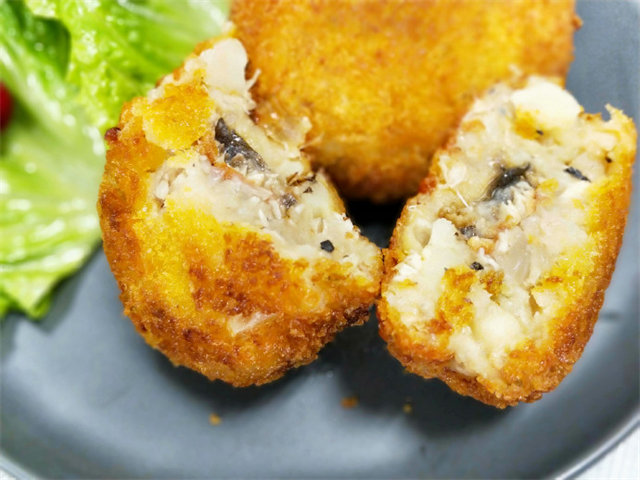
The short answer: steaming sets the texture, grilling sets the flavor
Eel is a tricky protein. The skin and the layer beneath it hold a lot of collagen and fat. Grill raw eel straight over charcoal and you get one of two results: a crisp, firm bite, or a dry fillet with scorched sauce.
Steaming at about 100°C handles that problem with moist heat. It softens connective tissue, lets part of the fat render out, and cooks the flesh gently. The grill then has a smaller job. It only needs to build color, aroma and a lacquered glaze.
That is the whole logic. Steam for tenderness, grill for character. The rest of this article explains the mechanics, the exceptions, and what they mean if you are specifying unagi kabayaki product formats for a menu.
What steaming changes: collagen, fat and moisture
Each variable below affects the finished bite differently. Treating them as one "tenderness" number is where menu developers go wrong.
| Variable | What steaming does | Practical effect | Trade-off |
|---|---|---|---|
| Collagen in skin and connective tissue | Moist heat softens it and converts part of it to gelatin | Skin stays supple instead of leathery; flesh flakes cleanly | Over-steaming leaves the fillet fragile and hard to skewer or slice |
| Subcutaneous fat | Part of it renders and drains away | Lighter mouthfeel; less flare-up on the grill | Too much fat loss can flatten the rich taste some diners expect |
| Surface moisture | Adds moisture, which the grill must then drive off | Tare can cling and caramelize in layers | A wet surface grills poorly if it is not rested first |
| Grill time | Shortens it, because the flesh is already cooked | Less drying; more control over glaze color | Less char depth than a long direct grill |
The point is that steaming is not a softening switch. It moves collagen, fat and moisture in different directions. Your sauce and your grill then have to work with the result.
Steamed Kanto style versus unsteamed Kansai style: when skipping it makes sense
Here is the differentiator. The usual shorthand says Kanto (Tokyo) steams and Kansai (Osaka) does not. It is a good rule of thumb, but not a law. Both regions grill the eel. The difference lies in whether a steam step sits between the first grill and the glazing.
| Factor | Steamed (Kanto-style) | Direct-grilled (Kansai-style) |
|---|---|---|
| Sequence | Plain grill, steam, then grill again with tare | Grill with tare from the start, no steam |
| Texture | Soft, fluffy, almost custard-like | Firmer, springy, with crisper skin |
| Fat | Lighter, partly rendered before glazing | Richer, more retained fat; more smoke at the grill |
| Best fit | Unadon, rice bowls, delicate sauces, diners who want tenderness | Bold sauces, bar-style service, diners who want chew and char |
| Limit | Can read "too soft" to guests used to firm eel | Needs fresh, well-managed eel; less forgiving on thick fillets |
Skip the steam when you want a firmer result, a crisp skin and a stronger grilled aroma. It also suits thinner fillets, which can dry out or fall apart if steamed too long. It does not suit very thick, fatty fillets served in a plain rice bowl. There the fat can turn heavy without a rendering step.
Cold fact: the regional split is often tied to how the eel is opened. Kanto chefs traditionally split along the back, and Kansai chefs along the belly. A commonly cited explanation is that Edo's samurai culture avoided anything that resembled belly-cutting. Treat that as folklore, but it shows how deep the habit runs.
How steaming interacts with the sauce, the roast and the freezer
Steaming never works alone. Three things change its effect.
- Sauce layering. A softer, partly rendered fillet takes glaze in thin coats. Our roasting process applies 4 layers of soy sauce with temperature-controlled steps and standardized "1st-through-4th coating color" references. Whatever the pre-cook method, the fillet must be ready to take those layers without running or burning. For more on glaze balance, see our kabayaki sauce article.
- Fat level. Eelpro holds patented low-fat roasted eel processing and deodorizing technology. In practice, fat control is a spec to discuss. How much fat you want left depends on whether the eel will be re-heated, sliced or served over rice.
- Re-heating. A frozen, ready-to-heat product gets heated a second time in your kitchen. Pre-cooked texture that is too soft can turn mushy after a long re-heat. Match the product format to your kitchen's method, not just to the menu photo.
We cannot give a universal steam time or temperature profile here. It depends on fillet thickness, fat content and the target texture. Any supplier who quotes one number for every product is oversimplifying.
Common mistakes when reading "steamed" on a spec sheet
- Assuming steamed means better. It means softer. Some menus want exactly that, others want bite.
- Comparing products without comparing thickness. A thin fillet and a thick fillet cooked the same way behave nothing alike.
- Ignoring the cut format. A fillet cut into pieces, sushi slices or 3-section cuts will hold together differently depending on how soft it is.
- Judging by the glaze color alone. A dark glaze can hide a mushy interior. Ask what coating stage the product reached.
- Skipping the plain version. White-roasted (unglazed) eel shows you the fish itself. It makes texture differences obvious before sauce masks them.
What to request before you commit: a buyer's checklist
- Ask the supplier to state whether a steam step is used for each format, and for how it is handled in white-roasted skewers versus kabayaki.
- Request samples in your intended format: white-roasted skewers, kabayaki eel or cut pieces. Re-heat them the way your kitchen will.
- Compare the sample at the same thickness and the same re-heat method. Otherwise you are comparing different conditions.
- Confirm the compliance documents for your market. Eelpro's products meet Japan, US and EU inspection standards for veterinary drug residues and microbiological indicators. We hold ISO 22000:2018, HACCP and HALAL certification, backed by an in-house laboratory and metal detectors at critical control points.
- Ask about traceability. Our supply runs through about 20 customs-registered eel farming bases covering over 2,150 mu, tracked from farm registration to shipment. See our unagi eeel farm for eelpro co. / ltd page for details.
Consider a realistic scenario. A Japanese restaurant group wants a tender, delicate unadon. A US importer wants a firmer eel for a sushi-bar roll. They need different specs, not different suppliers. We have supplied kabayaki eel to Japanese restaurant chains over the long term, and unagi kabayaki and eel sauce to US food importers. That experience is exactly why we ask about your serving format first.
If you plan to cook with the product yourself, our how to cook eel: easy methods and tips guide covers re-heating and finishing. For full production details, see our unagi kabayaki manufacturer page. You can also compare the technical background of kabayaki preparation as a neutral reference.
Not sure whether your menu needs a softer or a firmer eel? Send us your serving format and thickness target, and we will recommend a spec and arrange a sample for you to test in your own kitchen.