


Why is it called eel sauce if it contains no eel
You're reviewing a potential product for import, a thick, dark, savory-sweet sauce labeled "Eel Sauce." You scan the ingredients: soy sauce, sugar, mirin, sake. There is no mention of eel. This raises an immediate question for any food importer or distributor: why is it called eel sauce if it contains no actual eel? The name is not a mistake or a mislabel. It points directly to the sauce's culinary purpose and Japanese origins.
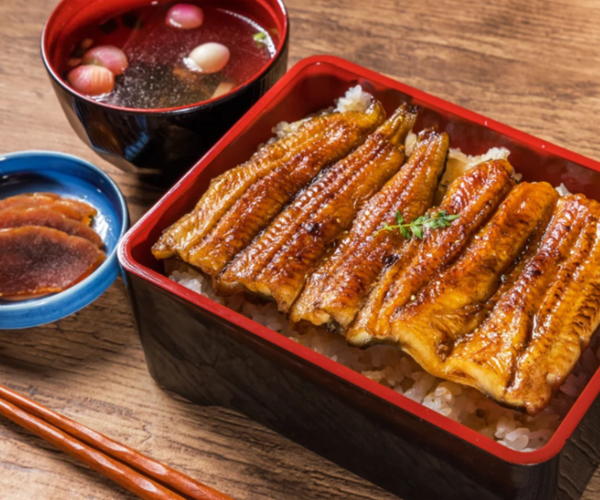
The name comes from its traditional and primary application: as a finishing glaze for grilled freshwater eel, a Japanese dish known as Kabayaki. In Japanese, this sauce is called unagi no tare (鰻のタレ), which translates to "eel's sauce" or "sauce for eel." It was designed specifically to complement the rich, fatty flavor of grilled eel. Over time, the English name "eel sauce" became a direct, if slightly misleading, translation that stuck. Understanding this distinction is the first step for any business sourcing this popular condiment for restaurant chains or retail.
The Naming Convention: A Sauce *for* Eel, Not *of* Eel
In the food industry, product names can follow different conventions. Some are named for their primary ingredient (e.g., "Tomato Sauce"), while others are named for the dish they are famously paired with. Eel sauce, or unagi no tare, falls squarely into the second category. It’s a classic example of an application-based name.
For importers and foodservice buyers, recognizing this distinction is important for marketing, menu development, and managing customer expectations. A customer expecting the flavor of eel in the sauce itself would be mistaken; the sauce is meant to enhance the eel it is served with. This is a key detail for product training and descriptions.
Here is a simple breakdown of these naming conventions:
| Naming Convention | What It Means | Commercial Example |
|---|---|---|
| Ingredient-Based Name | The name directly reflects a primary component within the product. The product is made of this ingredient. | Oyster Sauce (contains oyster extracts), Tomato Ketchup (contains tomatoes). |
| Application-Based Name | The name reflects the traditional dish or food item the product is served with. It is a sauce for that food. | Eel Sauce (used for grilled eel), Duck Sauce (traditionally served with duck), Steak Sauce (served with steak). |
At Eelpro, our eel sauce is formulated based on the classic unagi no tare recipe precisely for its intended application on our frozen unagi kabayaki. The viscosity, sweetness, and savory notes are balanced to adhere perfectly to the grilled eel during our patented four-layer coating process, creating the signature glossy finish and deep flavor that restaurant clients in Japan, the US, and Europe expect.
Deconstructing Eel Sauce Ingredients for Quality Sourcing
While the core recipe for unagi no tare is simple, the quality and ratio of its components determine the final product's performance. For a B2B buyer, understanding these nuances is key to sourcing a consistent, high-quality product that performs well in commercial kitchens. A cheap, poorly made sauce can ruin an otherwise premium eel product.
The four essential eel sauce ingredients are:
- Soy Sauce (Shoyu): The foundation, providing saltiness and umami. High-quality, naturally brewed soy sauce offers a more complex flavor profile than chemically produced alternatives.
- Mirin: A type of sweet Japanese rice wine. It adds a delicate sweetness, a glossy sheen, and helps tenderize the protein it coats.
- Sugar: Provides the primary sweetness that balances the salty soy sauce. The type and amount of sugar affect the sauce's final viscosity and caramelization during heating.
- Sake: A Japanese rice wine that adds depth of flavor and umami. Much of the alcohol content is cooked off during the reduction process.
As a quality specialist with over a decade in seafood export, I've learned that consistency in these ingredients is paramount. Variations in soy sauce salinity or mirin sweetness can dramatically alter the final flavor profile from batch to batch, a risk that foodservice chains cannot afford. That's why at Eelpro, we implement strict quality controls not just on our eel but on every ingredient that goes into our kabayaki sauce.
Buyer's Checklist for Commercial Eel Sauce
When evaluating a supplier for eel sauce or pre-sauced unagi kabayaki, use this checklist to assess quality and commercial viability:
- Viscosity (Brix Level): Does the sauce have the right thickness to cling to the product without being overly thick or watery? A consistent Brix (sugar content) level is a key indicator of quality control. Our process targets a specific viscosity to ensure it creates a perfect glaze on the eel.
- Color and Clarity: Is the color a deep, rich mahogany without being murky? We established '1st-through-4th soy-sauce coating color' standards to guarantee a consistent, appetizing appearance on every piece of unagi.
- Ingredient Transparency: Does the supplier specify the type of soy sauce used (e.g., naturally brewed)? This impacts flavor complexity and can be a key selling point for discerning markets like Japan.
- Microbiological Stability: Has the sauce been processed to ensure a stable shelf life under specified storage conditions? This is critical for avoiding spoilage and meeting food safety standards in the US and EU.
- Export Compliance: Does the formulation meet the regulatory requirements of your target market regarding additives, allergens, and labeling? Our facility is ISO 22000:2018 and HACCP certified, ensuring our products meet stringent international standards.
How Sauce Quality Dictates Final Product Success
For a frozen eel supplier like Eelpro, the sauce is not an afterthought; it is an integral part of the final product. The interaction between the sauce and the eel during our specialized roasting process is where quality is locked in. Our 4,000-ton annual production capacity relies on the perfect synergy between our high-quality raw eel and our precisely formulated sauce.
Our export-grade roasting process involves four distinct layers of sauce application, each at a controlled temperature. This method builds a deep, complex flavor that penetrates the eel meat while creating a perfect exterior glaze.
- First & Second Coats: These initial layers are applied at high heat to begin caramelizing the sugars and building a foundational savory-sweet flavor.
- Third & Fourth Coats: Applied at slightly lower temperatures, these final layers build the glossy finish and add the final notes of flavor without burning.
This meticulous process, combined with our patented low-fat roasting and deodorizing technology, ensures that our frozen unagi kabayaki eel arrives ready-to-heat, delivering a consistent, premium experience for foodservice clients. The sauce's quality directly impacts the product's ability to withstand freezing and reheating without losing its texture or flavor integrity. It also ensures the product from our 20 customs-registered eel farming bases meets the strict veterinary drug residue and microbiological standards of Japan, the US, and the EU.
By controlling the entire chain—from farming to our in-house laboratory testing to final processing—we can guarantee that both our eel and the sauce that coats it are safe, consistent, and of the highest quality for our export partners in Germany, Poland, Australia, and beyond.
If you require a stable supply of export-ready unagi kabayaki or eel sauce that meets international food safety standards, contact our team to request a full specification sheet or a product sample.