

Why is it called eel sauce if it contains no eel?
It's one of the most common questions in Japanese cuisine: why is it called eel sauce when the ingredient list shows no trace of eel? The name is a direct link to its original purpose. This rich, sweet, and savory sauce was created specifically as a glaze for grilling freshwater eel (unagi) in a method known as kabayaki. The sauce itself is traditionally a simple mixture of soy sauce, mirin, sake, and sugar. Its famous depth of flavor comes from being used repeatedly to glaze eel over a charcoal fire, with the drippings from the fish enriching the sauce over time.
So, while commercial unagi sauce contains no eel, its name honors the culinary tradition that made it famous. It’s a sauce *for* eel, not *of* eel. For food importers, restaurant chains, and wholesale clients, understanding the distinction between this sauce and its close relatives—kabayaki tare and nitsume—is essential for making the right purchasing decision.
The Origins of Unagi Sauce: From Kabayaki Glaze to Kitchen Staple
The story of eel sauce begins with grilled eel. The term Kabayaki refers to a specific preparation where eel is butterflied, deboned, skewered, and grilled. During this process, it is basted multiple times with a sweet soy-based glaze called tare. This isn't just a single coating; it's a meticulous layering process that creates a perfect caramelized finish.
At Eelpro, our roasting specialists have refined this tradition into a science. Our export-grade roasting process involves applying four precise layers of soy sauce, each at a specific, temperature-controlled step. We've established internal standards for "white-roasted color" (the initial grilling phase) and the color for each subsequent soy-sauce coating. This ensures that every piece of our frozen unagi kabayaki has a consistent, deeply flavorful, and visually appealing glaze.
The magic of traditional tare is that it's a "living" sauce. In old Japanese eel restaurants, a master batch of tare would be maintained for years, even decades. Each day, as eels were dipped and grilled, their flavorful fats and juices would drip back into the pot, adding incredible umami and complexity. While this exact "perpetual sauce" method isn't scalable for international food production, we replicate its flavor profile through precise ingredient balancing and cooking techniques, ensuring a rich and authentic taste in every batch of our commercial eel sauce product.
Kabayaki Tare vs. Nitsume vs. "Eel Sauce": A Buyer's Guide to Terminology
For buyers sourcing Japanese sushi condiments, the terms can be confusing. Are kabayaki sauce and eel sauce the same? Where does nitsume fit in? Choosing the wrong one can impact everything from kitchen workflow to the final taste on the plate. Here’s a breakdown to clarify the differences.
| Term | Primary Use & Consistency | Key Differentiator | Best For |
|---|---|---|---|
| Kabayaki Tare | A grilling glaze. Typically thinner in consistency to allow for multiple applications during cooking. Designed to be brushed on and caramelized over heat. | Its function is integral to the cooking process itself, not just a finishing touch. The flavor is balanced to complement the eel without overpowering it. | Food manufacturers and restaurants grilling their own eel or other proteins. Ideal for applications where the sauce needs to penetrate and caramelize. |
| Nitsume | A broader term meaning "simmered down." It's a thick, reduced glaze. While it can be used for eel, it's also used for other seafood like anago (saltwater eel) or octopus. Viscosity is its key feature. | It's defined by its thick, syrupy texture achieved through long reduction. It's a finishing sauce meant to cling to food. | Sushi bars and restaurants that need a versatile, thick glaze for presentation on various dishes, not just eel. Perfect for drizzling artistic lines on plates. |
| Eel Sauce (Unagi Sauce) | This is the common Westernized term, often referring to a commercially produced sauce that functions like Nitsume. It's pre-thickened (often with starch) to be shelf-stable and ready-to-use as a finishing drizzle. | It's a product optimized for convenience and presentation in modern, high-volume kitchens. Its flavor is bold and sweet to stand out on sushi rolls with many ingredients. | Sushi chains, catering companies, and retail brands. It's the go-to for topping popular rolls like the Dragon Roll or Caterpillar Roll, even those without eel. |
In short: Kabayaki Tare is for cooking. Nitsume is for finishing. Eel Sauce is the commercial name for a convenient, nitsume-style finishing sauce that became popular alongside eel sushi.
How Sauce Viscosity and Brix Impact Foodservice Operations
Beyond the name, the technical specifications of an unagi sauce—primarily its viscosity (thickness) and Brix (sugar content)—have a direct impact on cost-in-use, application, and final product quality. As a buyer for a restaurant chain or a food distributor, getting these details right is critical.
Viscosity determines how the sauce behaves. A thin sauce will run and be absorbed, while a thick sauce will sit on the surface.
- Low Viscosity: Ideal for marination or as a grilling glaze (like a true kabayaki tare). It seeps into the protein, flavoring it from within. However, it provides poor plate presentation as a finishing drizzle.
- High Viscosity: Perfect for finishing and decoration. It holds its shape, creating clean lines on sushi rolls and rice bowls. It provides an attractive sheen and clings to the food, delivering a concentrated burst of flavor in every bite.
Brix measures the sugar content and correlates with sweetness and how the sauce reacts to heat.
- High Brix: Results in a sweeter sauce that caramelizes very quickly. If used for high-heat grilling, it can burn easily, creating a bitter taste. It's better suited for finishing sauces that see little to no additional cooking.
- Lower Brix: Offers a more balanced, savory-forward flavor profile. This is preferable for a versatile kabayaki glaze, as it can withstand the heat of grilling without instantly scorching.
Buyer's Checklist for Sauce Specification
Before placing a bulk order, review these points to ensure the sauce meets your operational needs:
- Primary Application: Will this be used as a cooking glaze for hot items or a finishing drizzle for cold/warm dishes? This is the most important question.
- Kitchen Workflow: Do you need a ready-to-use sauce straight from the bottle, or do you have chefs who will modify it? A versatile base might be better for custom preparations.
- Desired Visuals: Is the goal a glossy, thick line for Instagram-worthy plates or a subtle, absorbed glaze on a piece of grilled fish?
- Heating Requirements: Will the sauce be applied before or after the final heating step? A high-Brix sauce applied before broiling can quickly turn from caramelized to carbonized.
- Cost Per Serving: A thicker sauce may allow for less usage per dish, potentially lowering the cost-in-use. Request samples to test application volume.
From Farm to Glaze: Ensuring Quality and Traceability
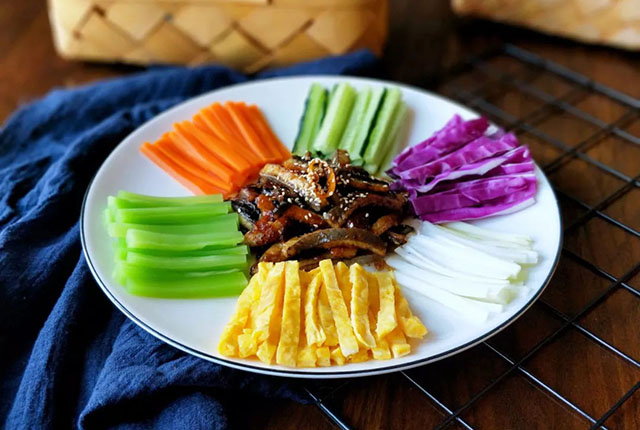
A superior unagi sauce is designed to complement high-quality eel, not mask imperfections. That's why our process at Eelpro is fully integrated. The quality of our sauce is directly linked to the quality of our main product: freshwater eel. We manage a full-chain supply system, starting from our 19 self-operated and cooperative certified farming bases, which supply over 5,000 tons of raw material annually.
This control allows us to understand the raw material intimately. We know the exact fat content and flavor profile of our eels, and we formulate our kabayaki glaze to perfectly enhance them. Our commitment to quality is verified by our ISO 22000:2018 and HACCP certifications. Our own professional laboratory and metal detectors at critical control points ensure that every batch of sauce and glazed eel meets stringent export standards for Japan, the US, and the EU. This protects our buyers from the risks of veterinary drug residues or microbiological contamination, ensuring smooth customs clearance and safe, delicious products for the end consumer.
Whether you are sourcing finished frozen unagi kabayaki or the sauce to create your own signature dishes, partnering with a supplier that controls the entire value chain guarantees consistency, safety, and authentic flavor.
For detailed specifications on our unagi sauce or to request a sample for your menu, contact our export team for a personalized consultation.