


What Is in Eel Sauce Made Of and Why Does It Taste So Good
That glossy brown sauce on an unagi rice bowl looks simple, but one wrong bottle can turn sweet, smoky eel into something flat, overly salty, or candy-like. If you are asking what is in eel sauce made of, the short answer is soy sauce, sweetness, and a careful reduction—but the details change the final bite.
Japanese eel sauce, often called unagi tare, is the glaze brushed onto grilled eel. It is dark, shiny, savory, sweet, and made to cling to warm rice and roasted fish. A good version should support the eel’s natural richness rather than cover it up.
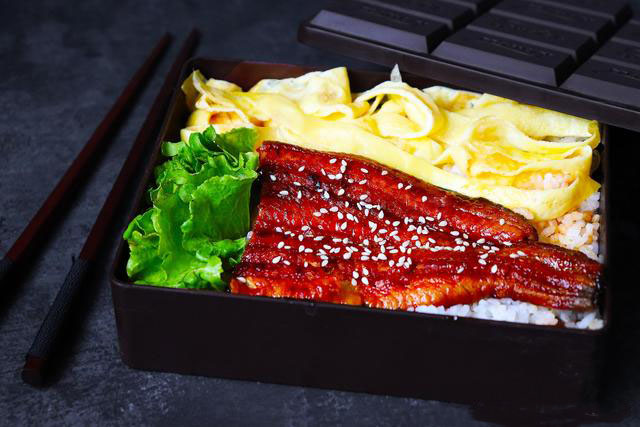
Start with the four ingredients that define a traditional eel glaze
For a classic mirin soy sauce glaze, the basic building blocks are soy sauce, mirin, sake, and sugar. Recipes differ by kitchen, region, intended dish, and whether the sauce is cooked with eel trimmings. There is no single mandatory formula for every Japanese eel sauce.
Still, each ingredient has a job. Knowing that job makes shopping and cooking far easier.
| Ingredient | What it contributes | What happens if it is overused | Best use case |
|---|---|---|---|
| Soy sauce | Salt, umami, color, and the savory backbone | The glaze becomes harsh and can hide the mild sweetness of eel | Use as the base when serving rich grilled eel, sushi, rice bowls, or roasted seafood |
| Mirin | Gentle sweetness, roundness, and shine | The sauce can taste sugary without enough savory depth | Choose it when you want a traditional Japanese-style finish |
| Sake | A light fermented aroma that keeps sweetness from feeling heavy | Too much can make the sauce smell sharp before it is reduced | Useful for home-made sauce and cooking applications where aroma matters |
| Sugar | Sweet flavor, thicker body after reduction, and browning on grilled eel | The glaze can burn easily and become sticky rather than balanced | Useful for kabayaki, grilled eel skewers, and rice bowls |
The answer to what are the ingredients in eel sauce is therefore not simply “sweet soy sauce.” Soy sauce provides the base, but mirin, sake, and sugar each control a different part of the eating experience: aroma, sweetness, color, texture, and how the glaze behaves on heat.
For a home cook, the practical conclusion is simple: choose a sauce with a clear savory base first. Sweetness should arrive after the soy flavor, not before it. This approach fits grilled eel, salmon, chicken, tofu, and roasted vegetables. It does not apply if you want a deliberately dessert-like glaze for snacks or sweet fusion dishes.
What is in eel sauce made of when dashi and bottled variations enter the picture
The phrase what is in eel sauce made of becomes more complicated when you compare traditional formulas with dashi-based sauces and ready-to-use bottled products. These are not interchangeable. Each option gives a different result on eel, rice, sushi rolls, and other seafood dishes.
| Variation | Typical ingredient direction | What it changes in practice | When to choose it | When not to choose it |
|---|---|---|---|---|
| Standard soy-mirin-sake-sugar formula | Soy sauce, mirin, sake, sugar | Creates a dark, sweet-savory glaze with body and browning potential | Best for classic kabayaki eel, rice bowls, and grilled skewers | Less suitable when a light broth-like flavor is the goal |
| Dashi-based variation | Standard sauce direction plus dashi or a dashi-style savory note | Adds a lighter, more rounded savory character and can make the sauce feel less dense | Fits noodle dishes, soup-adjacent preparations, and dishes needing more broth character | May not give the deep lacquered finish expected on traditional grilled kabayaki |
| Bottled variation | Manufacturer-specific blend; may use sweeteners, flavorings, thickeners, or other seasonings | Offers convenience, but sweetness, salt level, thickness, and allergen information vary by product | Fits quick home meals, retail shelves, and foodservice kitchens needing repeatable handling | Do not use without reading the label if you need a traditional profile or have dietary restrictions |
The standard formula is the better choice when you want the familiar shiny coating associated with grilled unagi. Soy sauce and sugar help build color during cooking, while mirin and sake soften the edges of the flavor. If the balance is wrong, the sauce may darken too fast, burn on the grill, or taste like plain sweet soy seasoning rather than eel sauce.
A dashi-based option is different. It can bring more savory lift and a softer finish, especially when used in noodles or lighter seafood dishes. However, a buyer expecting a thick kabayaki glaze may find it too restrained. The wrong choice is easy to spot: the sauce disappears into the rice instead of sitting lightly on the eel.
Bottled sauce is convenient, but “eel sauce” on the front label does not tell you everything. Check the ingredient statement for the sweetening system, soy content, and any ingredients relevant to your diet. For a sushi dinner at home, a bottle may be the fastest choice. For a restaurant that wants a particular roasted-eel profile, a product sample is the safer decision.
Does eel sauce contain eel and why the name can confuse diners
Does eel sauce contain eel? Not necessarily. The name usually describes the sauce’s role with grilled eel, rather than guaranteeing that eel is an ingredient in every bottle or every recipe.
Some traditional restaurant tare may be cooked or refreshed alongside eel and may pick up flavor from the grilling process. Other recipes are made entirely from seasoning ingredients. Packaged products can also vary widely. The only dependable way to know whether a particular sauce contains eel-derived ingredients is to read that product’s ingredient label and allergen information.
This matters for three groups:
- Vegetarians and pescatarians: Do not assume the sauce is suitable merely because it looks like a soy-based glaze.
- People managing allergens: Soy is common in eel sauce ingredients, so check the label before serving it to guests.
- Sushi diners ordering from a menu: Ask whether the restaurant’s tare is made in-house and whether it contains fish-derived components if that affects your choice.
A useful cold fact: the darkest sauce is not automatically the most flavorful. Dark color may come from reduction, soy sauce, sugar browning, or a manufacturer’s chosen formula. Color alone cannot confirm whether the sauce contains eel, how sweet it is, or whether it will taste traditional.
What gives eel sauce its sweet flavor and glossy finish
When people ask what gives eel sauce its sweet flavor, sugar and mirin are usually the main answers. Sugar provides direct sweetness and helps the glaze tighten as it cooks. Mirin adds a softer, more rounded sweetness with a fermented character. In some bottled sauces, other sweetening ingredients may be used instead, which is why labels matter.
Sweetness is not only about taste. It also affects cooking behavior.
- More sugar usually means faster browning: useful for a grilled finish, but easier to scorch if brushed on too early.
- More soy sauce means more salt and depth: useful for fatty eel, but it can overwhelm milder fish or vegetables.
- More reduction means a thicker glaze: useful when coating unagi over rice, but too much reduction can make it sticky and overly concentrated.
- More mirin character means a softer finish: useful for Japanese-style dishes, but it may not suit diners who prefer a sharper, salt-forward sauce.
For grilled eel, brush sauce near the end of cooking rather than treating it like a marinade. The conclusion is practical: use the glaze to coat and finish, not to soak the fish. This fits kabayaki, roasted skewers, and broiled seafood. It does not apply to dishes where the sauce is intended as a dipping sauce or broth seasoning.
Eelpro uses a roasting process with four precise layers of soy sauce and temperature-controlled steps for frozen kabayaki production. The process includes established color standards from white-roasted eel through the first, second, third, and fourth soy-sauce coatings. For diners, that translates to a more deliberate relationship between roasted eel and glaze rather than a random heavy pour. See our unagi kabayaki product for the finished style of grilled eel this sauce is designed to complement.
Use this buying checklist before choosing a Japanese eel sauce
Whether you are ordering online, shopping for sushi night, or selecting a sauce for a small foodservice menu, use the same short checklist. It reduces surprises at the table.
- Read the ingredient statement first. Look for the source of saltiness and sweetness. If you want a classic profile, soy sauce, mirin, sake, and sugar are useful reference ingredients.
- Match the sauce to the dish. Choose a thicker sweet-savory glaze for grilled unagi and rice bowls. Consider a lighter dashi direction for noodles or seafood soups.
- Check whether eel content matters to you. The product name alone is not enough. Review the label or ask the seller directly.
- Consider the cooking method. A sweeter glaze is better brushed onto grilled foods near the end. A very thick sauce may not work well as a dipping sauce.
- Buy a manageable format. Home cooks should avoid purchasing more sauce than they can use while it remains within the manufacturer’s storage guidance.
The most common mistake is buying by appearance alone. A dark, glossy bottle can still be too sweet for sushi, too salty for rice, or too thin for grilling. Another mistake is pouring a large amount over finished eel before tasting it. Start with a light brush or small spoonful. You can always add more.
Pair the sauce with eel without covering the fish
A good Japanese eel sauce should make warm rice more inviting, add shine to the eel, and leave room for the fish’s roasted character. It should not taste like the only ingredient on the plate.
For an easy serving idea, warm frozen kabayaki according to its product instructions, place it over plain rice, and apply a light layer of sauce. Add a simple garnish only if it supports the dish. The result should still taste like eel first.
If you are comparing sauce styles for different dishes, use this guide:
| Dish | Recommended sauce direction | Reason |
|---|---|---|
| Unagi rice bowl | Standard soy-mirin-sake-sugar glaze | Its thicker sweet-savory character complements rice and roasted eel |
| Sushi rolls | Use a small amount of balanced bottled or standard sauce | Too much sauce can mask rice seasoning and other fillings |
| Eel noodles | Dashi-based or lighter sauce direction | It is less likely to dominate the broth character |
| Grilled seafood | Standard glaze brushed near the end | It gives shine and sweet-savory depth without prolonged exposure to heat |
For more serving ideas beyond a rice bowl, browse these eel flavor pairings. If you want to make adjustments at home, this kabayaki sauce guide explains how to correct common flavor mistakes.
Quick answers for shoppers and home cooks
What is in eel sauce made of?
The classic answer is soy sauce, mirin, sake, and sugar, reduced into a sweet-savory glaze. Individual recipes and bottled products can differ, so use the label when a specific ingredient matters.
What are the ingredients in eel sauce?
Traditional eel sauce ingredients generally center on soy sauce, mirin, sake, and sugar. Dashi-based versions add a lighter savory dimension, while bottled versions may use their own ingredient systems.
Does eel sauce contain eel?
It may, but it does not always. The name often refers to its use on eel. Check the ingredient statement of the specific product instead of relying on the name.
What gives eel sauce its sweet flavor?
Sugar and mirin usually create the sweet flavor. Their balance with soy sauce determines whether the final glaze tastes rounded and savory or overly sweet.
If you need help selecting eel sauce for frozen kabayaki, request product selection advice from Eelpro.