




L'anguille fait-elle grossir ? Comparaison de l'anguille avec d'autres poissons gras
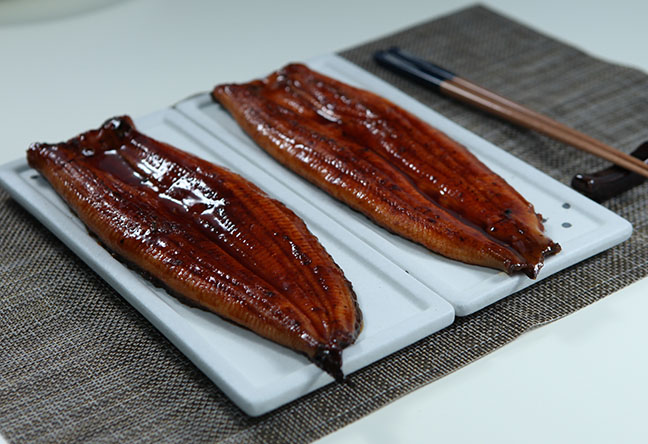
L'anguille fait-elle grossir ? C'est une question que nous posent souvent les chefs, les importateurs et les cuisiniers amateurs qui découvrent l'unagi pour la première fois. Ils voient ce filet brillant et caramélisé et se demandent s'ils s'apprêtent à déguster un mets aussi riche qu'un dessert. En bref : l'anguille est un aliment riche, certes, mais « grossissant » ne signifie pas ce que beaucoup pensent. Si on compare l'anguille au saumon, au thon ou au maquereau, les chiffres révèlent une réalité plus nuancée. Dans les prochaines minutes, nous allons analyser en détail la valeur nutritionnelle de l'anguille, sans affirmations péremptoires, en nous basant sur des données concrètes et sur quelques enseignements tirés de nos années d'expérience dans la préparation d'anguilles kabayaki surgelées pour des clients du monde entier.

Aperçu de la valeur nutritive de l'anguille
Une portion standard de 100 g d'unagi kabayaki — le filet d'anguille grillé que l'on trouve dans un bol d'una-don — apporte environ 330 calories. Parmi celles-ci, environ 27 g proviennent des lipides, 23 g des protéines et moins de 1 g des glucides. Cette teneur en lipides peut paraître élevée, surtout si vous avez l'habitude de consommer des poissons blancs maigres comme le tilapia ou la morue. Mais voici le point important : la graisse d'anguille est majoritairement insaturée. Une portion de 100 g d'anguille d'eau douce contient environ 1 200 mg d'acides gras oméga-3 EPA et DHA combinés, ainsi qu'une dose de vitamine A (plus de 3 000 UI), de vitamine D et de calcium. Ces valeurs sont issues des Tables de composition des aliments standard de l'USDA et du Japon — aucune falsification n'est nécessaire. D'après notre expérience, de nombreux consommateurs sont surpris d'apprendre que la richesse de l'unagi s'accompagne d'une véritable valeur nutritionnelle, et non de calories vides.
Calories de l'anguille : le contexte est important
Avec 330 calories pour 100 g, l'unagi kabayaki se situe au même niveau qu'un steak de premier choix. Mais combien de fois consomme-t-on 100 g d'anguille ? Un donburi d'unagi classique utilise environ 80 à 100 g de filet, servi sur du riz. Le repas complet peut atteindre 500 à 600 calories, ce qui correspond à l'apport calorique de nombreux bols de riz. À titre de comparaison, un cheeseburger de fast-food peut facilement atteindre 500 calories, avec beaucoup moins de protéines et de micronutriments. Alors, quand on nous demande si l'anguille fait grossir, nous avons tendance à reformuler la question : par rapport à quoi, et en quelle quantité ?
Décomposition de la teneur en graisse de l'anguille
Les 27 g de matières grasses pour 100 g d'unagi kabayaki peuvent surprendre. Analysons cela de plus près. Sur ce total, les graisses saturées ne représentent qu'environ 6 g. Le reste est composé de graisses mono-insaturées et polyinsaturées, bénéfiques pour la santé cardiovasculaire lorsqu'elles sont consommées dans le cadre d'une alimentation équilibrée. La teneur en matières grasses de l'anguille lui confère également une texture onctueuse qui la rend rassasiante même en petites quantités. Inutile de se servir un filet géant pour être rassasié. Nous avons servi de petites tranches de notre propre cuisine. kabayaki d'anguille congelée Lors de dégustations, j'ai vu des novices s'arrêter après un demi-filet, agréablement rassasiés. C'est là le propre des fruits de mer riches en oméga-3 : la sensation de satiété survient souvent plus tôt qu'avec les aliments transformés.
L'anguille est-elle plus grasse que le saumon ?
Voici l'une des comparaisons les plus directes : l'anguille est-elle plus grasse que le saumon ? Un filet de saumon sauvage de l'Atlantique (cru, 100 g) contient en moyenne 13 g de matières grasses, tandis que le saumon d'élevage en contient environ 18 à 22 g. L'anguille, avec 27 g de matières grasses pour 100 g, affiche un taux plus élevé sur le papier. Mais la méthode de cuisson change la donne. L'anguille kabayaki est presque toujours grillée et badigeonnée de tare, une sauce soja sucrée qui caramélise et élimine une partie du gras en surface. Le plat fini contient donc moins de matières grasses que ne le suggère l'analyse en laboratoire du filet cru. Quant au saumon, il est souvent consommé cru (sashimi) ou poêlé avec un ajout d'huile, ce qui peut augmenter son apport en matières grasses. Au final, ces deux poissons appartiennent à la catégorie « gras mais sains ». Si vous devez choisir entre les deux, privilégiez celui que vous êtes le moins susceptible de noyer sous le beurre.
Comment l'anguille se compare-t-elle aux autres poissons gras ?
Comparons les quantités de poisson cru (non cuit) pour 100 g, selon les bases de données alimentaires standard.
- Anguille d'eau douce : ~27 g de lipides, 330 kcal, 23 g de protéines
- Saumon atlantique d'élevage : ~18–22 g de lipides, 240–280 kcal, 20 g de protéines
- Thon rouge (morceau gras) : ~15 g de lipides, 250 kcal, 23 g de protéines
- Maquereau: ~17 g de lipides, 262 kcal, 19 g de protéines
- Sardines (en conserve à l'huile, égouttées) : ~11 g de lipides, 208 kcal, 25 g de protéines
L'anguille est en tête de liste des poissons les plus riches en matières grasses et en calories. Mais elle contient aussi plus de vitamine A que le saumon ou le maquereau — souvent dix fois plus — et un profil oméga-3 comparable. Comment se compare-t-elle aux autres poissons gras en cuisine ? Lorsqu'on la glace d'unagi tare et qu'on la grille, la graisse fond et enrobe la chair, créant une bouchée moelleuse et savoureuse qui ne nécessite pas d'ajout de matière grasse. Le maquereau et le saumon reçoivent parfois un filet d'huile d'olive ou une couche de beurre, ce qui réduit rapidement l'écart calorique. Dans le cadre de notre activité d'exportation, nous avons constaté que des restaurants aux États-Unis et en Europe proposent l'unagi comme plat de choix : une portion de 100 g accompagnée de gingembre mariné et de riz vapeur est un vrai régal, sans pour autant être un repas excessif.
Sauce à l'anguille (unagi tare) et facteur calorique caché
Un détail souvent négligé lorsqu'on se demande si l'anguille fait grossir, c'est la sauce. L'unagi tare est une réduction de sauce soja, de mirin, de sucre et parfois de saké. On l'applique en badigeonnant l'anguille à plusieurs reprises pendant la cuisson. Une portion de tare classique ajoute environ 20 à 30 calories, principalement du sucre. Ce n'est pas rédhibitoire, mais si vous surveillez votre ligne, la sauce a son importance. sauce anguille (unagi tare) Sa formule est équilibrée : suffisamment sucrée pour caraméliser sans masquer la saveur naturelle du poisson. Pour les restaurants souhaitant doser le sucre, nous pouvons ajuster la teneur en sucre de la sauce tare en fonction des quantités. Dans tous les cas, son apport calorique est modeste, équivalent à celui d'une cuillère à café de miel sur du saumon.
Si vous vous demandez ce qui distingue notre tare, nous en parlons ici : Le secret de notre sauce kabayakiEn résumé, il ne s'agit pas simplement d'un glaçage ; c'est une couche aromatique qui sublime l'anguille tout en respectant les méthodes traditionnelles japonaises.
Des choix de fruits de mer sains : quelle place occupe l’anguille ?
Quand les diététiciens parlent de fruits de mer sains, ils citent souvent le régime méditerranéen et ses bienfaits pour la santé, notamment les sardines et les anchois. L'anguille n'est pas un aliment de base de ce régime, mais elle est loin d'être un aliment à négliger sur le plan nutritionnel. L'American Heart Association recommande de consommer deux portions de poisson gras par semaine pour la santé cardiovasculaire, et l'anguille répond parfaitement à ces critères. Sa teneur en oméga-3, en vitamine D et en minéraux en fait une alternative intéressante pour ceux qui sont lassés du saumon. Des poissonniers européens nous ont confié que l'introduction de l'anguille (unagi) offre à leurs clients une option inédite : un poisson qui cuit rapidement et se présente joliment, sans nécessiter de sauce complexe.
Pour ceux qui évitent le poisson cru, l'anguille est toujours entièrement cuite. C'est un avantage pour les femmes enceintes ou les personnes immunodéprimées soucieuses de la sécurité des produits de la mer. kabayaki d'anguille congelée Prêt à être réchauffé et dégusté, sans préparation spéciale pour sashimi. Et si vous cherchez une façon polyvalente d'utiliser l'anguille, essayez un soupe de nouilles à l'anguille — c'est une façon plus légère d'apprécier sa richesse, en répartissant un seul filet sur plusieurs portions.
FAQ
L'anguille est-elle riche en matières grasses ?
Oui, l'anguille est un poisson riche en matières grasses. Une portion de 100 g contient environ 27 g de lipides. Mais la majorité de ces lipides sont insaturés et contiennent des acides gras oméga-3, reconnus pour leurs bienfaits sur le système cardiovasculaire. C'est un poisson naturellement gras, et non transformé.
L'anguille est-elle plus grasse que le saumon ?
À l'état cru, l'anguille est plus grasse : environ 27 g contre 18 à 22 g pour le saumon d'élevage. Une fois cuite, cette différence s'atténue car la cuisson au gril permet d'éliminer une partie des matières grasses. Consommées en portions raisonnables, l'anguille et le saumon sont considérés comme bons pour le cœur.
En quoi l'anguille se compare-t-elle aux autres poissons gras pour la gestion du poids ?
L'anguille est plus calorique que le thon ou le maquereau, mais son pouvoir rassasiant est important. Une petite portion suffit souvent, ce qui facilite le contrôle des portions. Accompagnée de légumes et de riz dans un bol équilibré, l'anguille permet d'éviter un repas trop copieux.
La sauce sucrée rend-elle l'anguille moins saine ?
La sauce tare ajoute du sucre, soit environ 20 à 30 calories par portion. Bien qu'elle ne soit pas sans sucre, la quantité utilisée est faible. Dans l'ensemble du repas, son impact est minime. S'en passer ne permet pas d'économiser beaucoup de calories et vous perdriez la saveur caractéristique de l'anguille.
Conclusion
L'anguille fait-elle grossir ? Seulement si vous en consommez régulièrement en excès, tout comme le saumon, le steak ou l'avocat. Son profil nutritionnel est certes riche, mais cette richesse provient de sa teneur en acides gras insaturés, en oméga-3 et en vitamines liposolubles, des nutriments que les poissons plus maigres ne contiennent pas en aussi grande quantité. Pour les importateurs et les restaurateurs, l'unagi kabayaki représente un choix de fruits de mer à la fois gourmand et nutritionnellement équilibré, une combinaison rare. Chez Eelpro Co., LTD, nous fournissons de l'unagi kabayaki surgelé et de la sauce à l'anguille d'une qualité constante, que vous serviez 50 couverts par soir ou que vous conditionniez des portions individuelles pour la vente au détail. Découvrez notre gamme de produits et voyez comment l'anguille peut devenir la protéine saine et savoureuse qu'il faut à votre carte.
 WhatsApp
 ventes@chinaeels.com
 +8619937922411