





A Better Unagi Recipe for Perfect Rice Bowl Assembly
The most common failure in preparing an unagi rice bowl isn't the eel itself, but the sauce application. Many kitchens simply pour a heavy glaze over the finished bowl, resulting in overly sweet, soggy rice that loses its texture. A superior unagi recipe focuses on building layers of flavor. This is achieved through a two-stage process: lightly seasoning the rice first, then applying a finishing glaze to the eel just before serving. This method ensures every component is perfectly seasoned without becoming saturated.
At Eelpro, we supply foodservice clients in Japan, the United States, and the European Union with premium unagi kabayaki. We've seen firsthand how technique separates a mediocre dish from a memorable one. Our products are designed for professional kitchens, where consistency and quality are paramount. This guide, based on insights from our quality assurance team, details the two-stage glazing technique that our most successful restaurant partners use to create perfectly balanced unagi donburi.
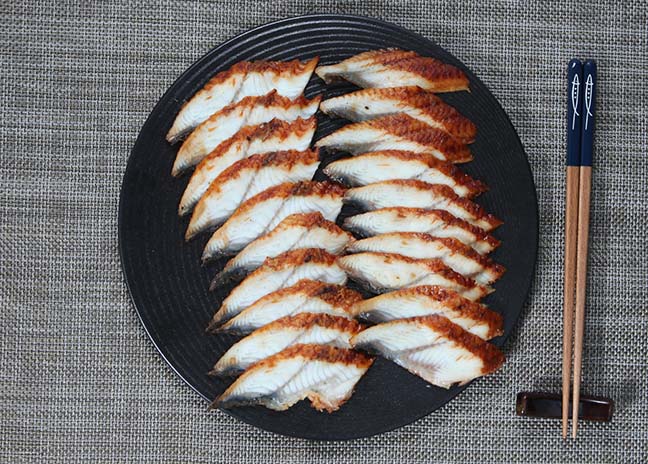
The Two-Stage Glaze: How to Sauce the Rice vs. Glaze the Eel
The core principle is control. By treating the rice seasoning and the eel glazing as separate steps with different goals, you prevent the sauce from overwhelming the dish. The rice needs a subtle, savory foundation, while the eel needs a concentrated, glossy coat. Trying to achieve both with a single application of sauce at the end is inefficient and produces a lower-quality result.
This technique prevents the rice from becoming a sweet, sticky mass and allows the rich, savory flavor of the roasted eel to stand out. Here is a direct comparison of the two stages:
| Parameter | Stage 1: Seasoning the Rice | Stage 2: Glazing the Eel |
|---|---|---|
| Objective | Create a savory, umami-rich foundation that complements the eel without overpowering it. | Add a final, concentrated layer of flavor and a visually appealing gloss to the protein. |
| Timing | Immediately after the rice is cooked and while it is still hot. Mix gently to coat the grains evenly. | Just after heating the eel and immediately before placing it on the rice. |
| Sauce Type | A thinner, less viscous sauce. You can dilute a standard eel sauce with a small amount of dashi or mirin. | A thicker, high-quality finishing glaze (unagi tare). The viscosity allows it to cling to the eel. |
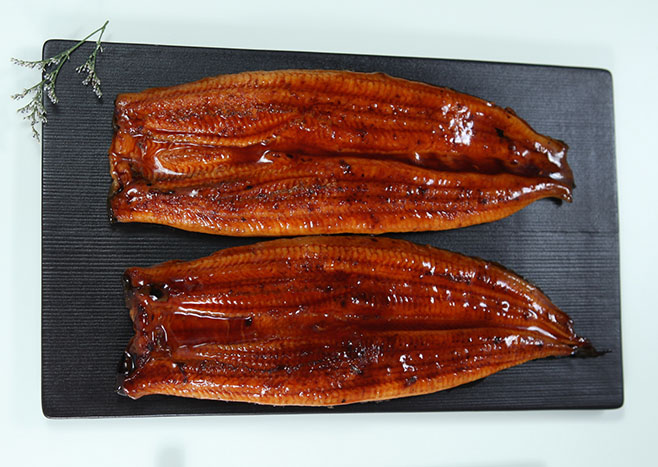
| Application Method | Drizzle a small amount over the rice and fold it in with a rice paddle. Avoid pressing or mashing the grains. | Brush the sauce onto the heated eel fillet. A quick pass under a broiler can help caramelize the glaze. |
| Resulting Texture | Each grain of rice remains distinct and fluffy, lightly coated with flavor. The bowl is not wet or soggy. | The eel has a rich, glossy surface that is slightly caramelized, providing a textural contrast to the soft fish. |
By adopting this two-stage method, chefs ensure a consistent, high-quality product every time. It allows the customer to experience the distinct textures of the fluffy rice, the tender eel, and the rich glaze as separate but harmonious elements.
Sourcing Eel That Holds a Glaze Consistently
The success of any unagi recipe depends heavily on the quality of the eel itself. For a glaze to adhere properly, the surface of the eel must have the right texture. An eel that is too fatty or improperly roasted will repel the sauce, resulting in a disappointing finish. This is a critical factor for restaurant chains and importers who depend on product consistency across large volumes.
As a leading unagi kabayaki manufacturer, we have invested in technology and processes to address this specific challenge.
- Patented Low-Fat Roasting: Our process, which includes patented deodorizing equipment, renders the perfect amount of fat. This creates a surface that is not greasy, allowing our signature four-layer soy sauce coating to build a solid foundation for your final glaze.
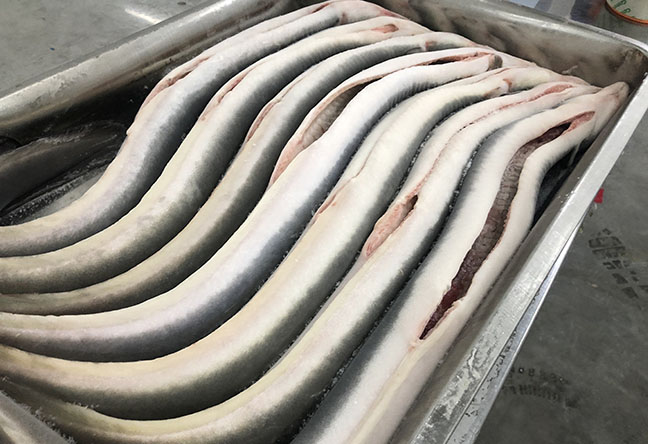
- Full-Chain Traceability: We manage ~20 customs-registered eel farming bases. This control, from farm to shipment, ensures the raw material has the ideal fat content and texture. Our in-house laboratory and 25 quality-control specialists verify these parameters for every batch.
- Certifications That Matter: Our facility is ISO 22000:2018 and HACCP certified. These systems are not just paperwork; they are active frameworks we use to manage critical control points, like roasting temperature and time, which directly impact how the final product interacts with a glaze. We also hold HALAL certification, opening up more market opportunities for our clients in places like Indonesia and Southeast Asia.
When sourcing frozen unagi, ask your supplier about their roasting process and farm-level controls. A supplier who can provide detailed information on their quality systems is more likely to deliver a product that performs reliably in a professional kitchen. This is how we support our long-term partners, including major Japanese restaurant chains and US food importers.
Common Mistakes to Avoid in Unagi Bowl Preparation
Even with high-quality eel, simple operational errors can compromise the final dish. For foodservice managers aiming for speed and consistency, avoiding these common pitfalls is essential. My experience as a food safety and quality specialist has shown that these issues are the most frequent causes of customer complaints.
Here is a checklist of mistakes to eliminate from your kitchen's workflow:
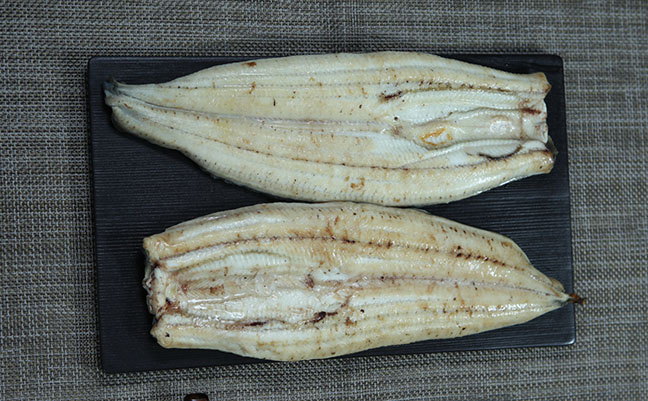
- Overheating the Pre-Cooked Eel: Our unagi kabayaki is fully cooked and only needs to be reheated. Overheating, especially in a microwave, can make the eel tough and rubbery.
- The Fix: Reheat gently. Submerging the vacuum-sealed pack in hot water for 3-5 minutes is ideal. Alternatively, a quick pass under a broiler or on a grill will heat it through while adding a touch of smokiness.
- Using the Wrong Type of Rice: Long-grain rice like basmati or jasmine will not work. It lacks the necessary starch content to create the right texture.
- The Fix: Use a high-quality short or medium-grain Japanese rice (koshihikari is a good example). It should be cooked to be fluffy and slightly sticky, allowing it to hold its shape and absorb the light seasoning.
- Incorrect Eel-to-Rice Ratio: Too little eel makes the dish feel sparse, while too much overpowers the delicate flavor of the seasoned rice.
- The Fix: Aim for a ratio where the eel covers about two-thirds of the rice surface. This provides a balanced bite every time. Our standardized cutting specifications (sushi slices, 3-section cuts, chunks) help kitchens maintain perfect portion control.
- Serving a Cold Bowl: A great unagi donburi is a warm, comforting dish. Serving it on a cold plate or in a cold bowl causes the eel and rice to cool down too quickly.
- The Fix: Warm your serving bowls before assembly. This simple step maintains the ideal serving temperature and enhances the dining experience.
Scaling Production for Foodservice Channels
Transitioning a great unagi recipe from a single dish to a menu item serving hundreds of customers a day requires a reliable supply chain and products designed for efficiency. That is where our operational capacity becomes a key advantage for our B2B clients in Germany, Poland, Australia, and across Southeast Asia.
Our facility is built to support high-volume orders. With two modern production lines, we have an annual capacity of 4,000 tons of finished goods. This is supported by a 1,000-ton cold storage facility, ensuring product integrity and stable cold-chain logistics from our plant to your port. The typical lead time from order confirmation to shipment is approximately 30 days, though this is negotiable based on the specifications and quantity required.
For foodservice supply chains, our value is clear:
- Reduced Labor Costs: Our unagi kabayaki eel is boneless and ready to heat. This eliminates time-consuming back-of-house processing like deboning and portioning.
- Standardized Portions: We offer custom cutting, including shredding, dicing, and precise sushi slices, which ensures consistent plating and helps manage food costs.
- Export Compliance: Our products meet stringent food inspection standards for Japan, the US, and the EU, covering veterinary drug residues and microbiological indicators. This helps our import partners avoid costly trade risks and delays.
Whether you are a catering chain, a wholesale client, or an export trader, our differentiated MOQ policies and flexible packaging options (from skin-packaging to gift boxes) can be tailored to fit your business model.
For consistent, high-quality unagi kabayaki that performs exceptionally in any professional unagi recipe, contact our team to discuss your specifications and request a sample.
 WhatsApp
 sales@chinaeels.com
 +8619937922411