





Which Eel Cut Makes the Best Eel Recipe for Your Table
One eel recipe can taste wonderfully smoky and tender, while another turns dry, breaks apart, or feels too heavy with sauce. The difference often starts before cooking: which eel cut did you choose? Whole eel, butterflied eel, fillets, and ready-cooked kabayaki each suit a different kind of meal.
For home cooks, restaurant buyers, and foodservice teams, choosing the right format can reduce preparation work and make the finished dish more consistent. A whole eel gives freedom but demands skilled handling. A ready-cooked kabayaki portion offers speed, but it is not the best fit for every menu concept.
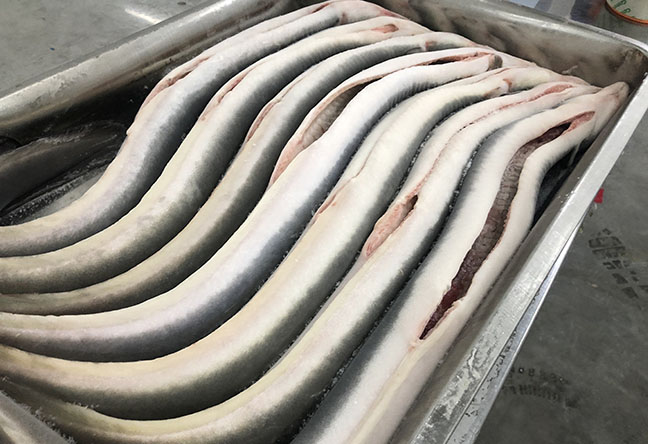
This guide answers the practical question behind every eel recipe: which cut matches the cooking method, serving style, and level of kitchen preparation you want?
Which eel cut should you choose before planning a dish?
The best choice depends on how much preparation you want to do and how you plan to serve the eel. Start with the finished plate, not just the ingredient price.
Choose whole eel when your kitchen needs maximum control over trimming and presentation. This format suits experienced cooks who can clean, skin, debone, and portion the fish. It works well for menus where the kitchen wants a custom shape or a traditional preparation style. It does not suit a busy operation without trained fish preparation staff.
Choose butterflied eel when you want a broad, flat surface for roasting or grilling. The opened shape allows seasonings and glaze to contact more of the flesh. It is a practical choice for cooks who want the appearance of a full eel but less preparation than starting from an uncut fish. It may not be ideal for small snack portions or sushi toppings that require uniform slices.
Choose fillets when portioning flexibility matters most. Fillets are easier to cut into strips, chunks, sushi slices, or rice-bowl toppings. They are a good match for foodservice menus with several eel dishes. However, a fillet may not create the dramatic visual impact of a whole or butterflied eel served on a sharing platter.
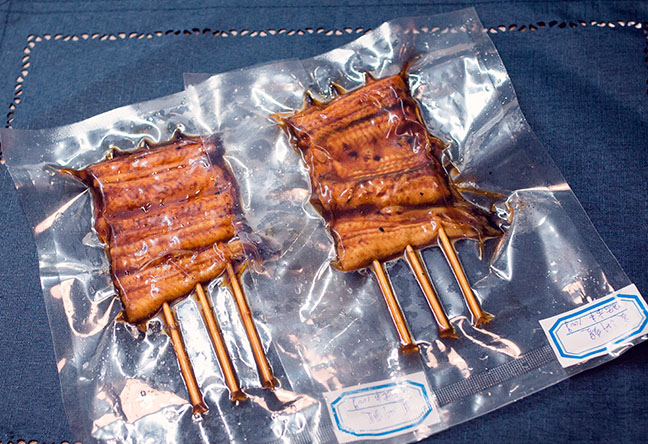
Choose ready-cooked kabayaki when speed and repeatability are the priority. Frozen unagi kabayaki is already roasted and coated with sauce, so it is designed for reheating and finishing rather than raw-fish preparation. This makes it especially useful for rice bowls, sushi, bento meals, and fast kitchen service. It is less suitable when the goal is to develop a completely original marinade from raw eel.
For a closer look at finished roasted products, see our unagi kabayaki product information.
Comparison: matches whole eel, butterflied eel, fillets, and ready-cooked kabayaki to roasting, grilling, and rice-bowl recipes
There is no single winner for every eel recipe. The right option depends on the dish’s cooking method, portion style, and labor allowance. Use this comparison before buying.
| Eel format | Best match | Why it works | Best fit for | Limit or caution |
|---|---|---|---|---|
| Whole eel | Roasting, smoking, custom grilling | Provides full control over cleaning, cutting, seasoning, and presentation. | Experienced kitchens, specialty seafood menus, cooks wanting traditional preparation. | Requires skinning, deboning, and food-safe handling skills before cooking. |
| Butterflied eel | Roasting and open-flame grilling | The flat shape exposes more flesh to heat and glaze. | Grilled plates, shared dishes, larger presentations. | May need further cutting for sushi, snacks, or small rice-bowl portions. |
| Eel fillets | Grilling, pan finishing, rice bowls, sushi toppings | Easy to divide into strips, cubes, chunks, or slices. | Menus needing flexible portions and multiple dish formats. | Less dramatic than serving a whole-shaped eel. |
| Ready-cooked kabayaki | Rice bowls, sushi, bento, quick grill finishing | Already roasted and sauced, reducing back-of-house work. | Fast service, consistent menu portions, ready-to-heat applications. | Not the preferred starting point for recipes that require raw eel preparation. |
For roasting, whole and butterflied eel give the cook more control over surface seasoning and final appearance. For grilling, butterflied eel and fillets are easier to lay flat and finish evenly. For a rice-bowl eel recipe, ready-cooked kabayaki is often the most practical choice because the product can be portioned and served over rice with minimal trimming.
A useful rule is simple: choose the least processed format only when your kitchen can use the extra control. Otherwise, select the format that removes the steps you do not need.
FAQ: Is ready-cooked kabayaki the easiest choice for an eel rice bowl?
Yes, for many home cooks and foodservice operators, ready-cooked kabayaki is the easiest choice for an eel recipe built around rice. The eel has already gone through the roasting and sauce-coating process, so the kitchen can focus on rice quality, garnish, portioning, and final presentation.
Eelpro uses a four-layer soy-sauce coating process for roasted eel, with controlled stages that establish white-roasted color and first-through-fourth coating color standards. The company also holds ISO 22000:2018, HACCP, HALAL certification, export food producer registration, and an SC Food Production License covering quick-frozen prepared foods.
That does not mean kabayaki is automatically the right choice for every dish. If you are creating a charcoal-focused grill menu or testing your own seasoning profile, a less processed eel format may give you more room to shape the result.
For rice bowls, use this serving logic:
- Choose ready-cooked kabayaki when service speed and consistent flavor matter more than raw ingredient handling.
- Choose fillets when the bowl needs custom-cut cubes, strips, or mixed toppings.
- Choose butterflied eel when a larger, more visual centerpiece is needed.
- Avoid whole eel for a quick rice-bowl program unless the kitchen already handles cleaning and deboning confidently.
For topping ideas beyond the standard bowl, our guide to eel rice bowl toppings can help shape a more varied menu.
FAQ: What should buyers check when comparing frozen eel formats?
Do not compare formats by appearance alone. A practical buying decision should consider preparation labor, cut consistency, sauce needs, storage planning, and destination-market requirements.
Use the checklist below before selecting an eel recipe ingredient for a restaurant, importer, distributor, or retail program.
- Define the intended dish first. Decide whether the product will become grilled eel, sushi, noodles, rice bowls, bento meals, or a shared plate. The dish determines the most useful cut.
- Identify who performs the preparation. Whole eel transfers more work to the kitchen. Ready-cooked kabayaki transfers more processing upstream.
- Specify the desired cut style. Eelpro can support shredding, dicing, strip-cutting, chunk-cutting, three-section cuts, and sushi slices. Confirm the required form before requesting a quotation.
- Check the packaging requirement. Packaging can affect portion control and retail presentation. Skin packaging and gift-box formats may require different order planning.
- Ask about traceability documentation. Eelpro manages full-chain traceability from registered farming sources through process verification, sampling, and tracking.
- Confirm compliance needs for the destination market. Requirements differ by importer and market. Eelpro states that its products meet Japan, United States, and European Union food inspection standards for veterinary drug residues and microbiological indicators.
- Plan cold storage capacity. Frozen product quality depends on maintaining the cold chain after shipment as well as before delivery.
Eelpro operates two modern production lines with an annual capacity of 4,000 tons of finished products and a 1,000-ton cold storage facility. Its supply chain includes approximately 20 customs-registered farming bases covering more than 2,150 mu. The company also has an in-house laboratory and metal detectors at key control points.
These strengths help support a stable sourcing program, but buyers should still confirm their own product specification, packaging format, destination requirements, and purchase volume before placing an order.
FAQ: What are the common mistakes when choosing an eel format?
Several mistakes can make an otherwise good eel recipe harder than necessary. Most come from buying a format that does not match the kitchen’s actual workflow.
Choosing whole eel because it seems more authentic
Whole eel can be an excellent choice, but authenticity does not remove the work of cleaning, skinning, deboning, and portioning. Choose it when the kitchen has the skills and time. Do not choose it merely because it looks impressive in a supplier catalogue.
Using ready-cooked kabayaki for a recipe that needs raw marination
Kabayaki is already roasted and sauced. Adding a heavy new marinade can hide the eel’s flavor or create an overly sweet final dish. Use it for reheating, light finishing, and dishes that welcome its established glaze. Choose unseasoned formats when developing a custom sauce from the beginning.
Ignoring cut size until after purchase
A sushi roll, noodle bowl, and grilled plate do not require the same portion shape. Ask for the intended cutting specification before ordering. Eelpro’s standardized cutting options can help reduce in-kitchen trimming.
Assuming more sauce always improves the dish
More sauce is not always better. A good eel recipe should still allow the roasted eel character to come through. Use sauce in layers: a light glaze for finishing, then extra sauce only when the rice or side dishes need it. Our kabayaki sauce article explains why sauce balance matters.
Cold fact: flat eel is not always the same as boneless eel
A butterflied eel is opened flat, but that description alone does not confirm the exact deboning condition or final portion style. Buyers should ask directly about bone removal, cutting format, and whether the product is raw, white-roasted, or fully prepared kabayaki. This small question can prevent a major mismatch at service time.
FAQ: How can one eel cut support several menu ideas?
Fillets and ready-cooked kabayaki usually provide the broadest menu flexibility. A single approved format can support several dishes when cutting and sauce choices are planned in advance.
| Menu idea | Recommended format | Practical reason | When it may not apply |
|---|---|---|---|
| Classic unagi rice bowl | Ready-cooked kabayaki | Fast portioning and familiar roasted, glazed character. | Not ideal when the menu requires custom raw-eel seasoning. |
| Grilled eel plate | Butterflied eel or fillet | Large surface area supports glazing and presentation. | Whole eel may be preferred for highly traditional preparation. |
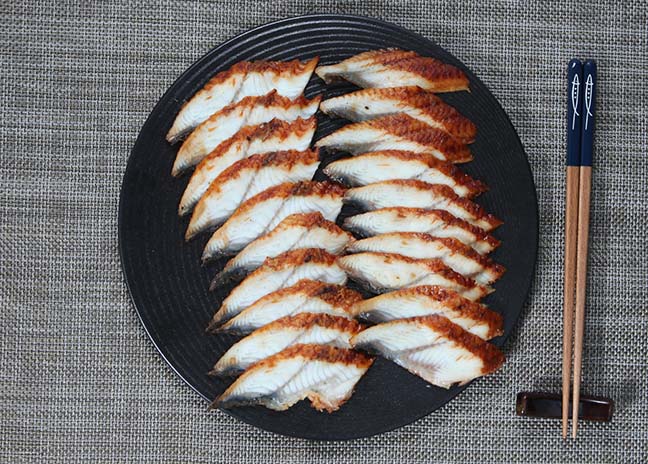
| Eel sushi roll | Uniform kabayaki slices or fillet portions | Supports even rolling and controlled topping size. | Large irregular pieces can make rolling difficult. |
| Eel noodle soup | Thin-cut fillet or sliced kabayaki | Smaller pieces are easier to eat with noodles and broth. | A large whole-style portion can overpower the bowl. |
| Mixed seafood menu | Fillets or cut pieces | Works well with planned portion control across dishes. | Whole eel is better when eel must remain the visual focus. |
If you are planning noodles rather than rice bowls, review this unagi ramen guide for serving ideas that suit sliced eel portions.
The strongest eel recipe is not necessarily the most complicated one. It is the one where the cut, cooking approach, sauce level, and serving style all agree. Choose whole or butterflied eel for hands-on preparation and visual impact. Choose fillets for flexibility. Choose ready-cooked kabayaki when consistent, efficient service matters most.
Request a product specification or selection recommendation from Eelpro based on your planned menu, cut style, and packaging needs.
 WhatsApp
 sales@chinaeels.com
 +8619937922411