





Balance Sweet Unagi Sauce for Sushi and Grilled Fish
A sauce can make beautiful eel look heavy, flat, or overly sugary in one bite. The question is simple: should sweet unagi sauce flow lightly over sushi rice, or cling to grilled fish as a glossy glaze? The answer depends on sweetness, saltiness, and viscosity working together for the serving style.
For home cooks, restaurant chefs, and menu developers, the same bottle of sauce can perform very differently across dishes. A drizzle that tastes balanced on a sushi roll may burn or become too intense on grilled fish. A thick glaze that shines on kabayaki may overwhelm rice and hide the clean flavor of seafood.
That is why sweet unagi sauce should be tested by application, not judged only from the bottle. The best choice is not simply “sweeter” or “less sweet.” It is a sauce whose body, seasoning, and finish match the heat, surface, and eating format of the dish.
Start by deciding how the sauce must behave on the plate
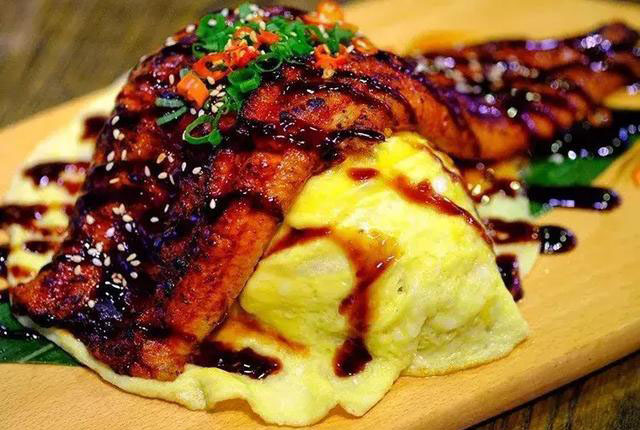
Before changing any ingredient, define the service application. This is the fastest way to avoid random recipe adjustments. Sweet unagi sauce for sushi needs controlled flow and a clean finish because it touches seasoned rice, seaweed, vegetables, and often cool or room-temperature ingredients. Sauce for grilled fish has a different job. It must coat a hot protein surface, stay visible after heating, and support roasted flavor.
Conclusion: Choose sauce texture according to the food surface and service temperature, not personal sweetness preference alone. Why: rice absorbs sauce quickly, while a grilled fish surface needs adhesion. Best fit: this approach suits sushi counters, meal-prep production, grilled seafood menus, and recipe testing. Limit: it does not replace tasting the complete dish, because rice seasoning, fish fat, garnish acidity, and cooking method all affect the final result.
| Serving application | Desired sauce behavior | Flavor direction | Best visual checkpoint | When this approach does not fit |
|---|---|---|---|---|
| Sushi drizzle | Flows in a thin, controlled line without pooling | Sweetness remains present but should not bury rice seasoning | The sauce stays visible on top rather than soaking into the rice immediately | Not ideal for repeated basting under direct grilling |
| Grilled fish glaze | Clings to the fish and forms an even surface coating | Stronger sweet-savory impression to support char and roasted notes | The coating looks even, not patchy, watery, or grainy | May feel too heavy when poured freely over cold sushi |
| Rice bowl finishing sauce | Coats eel and lightly seasons rice below | Balanced sweetness with enough saltiness to prevent a flat finish | Rice remains distinct rather than wet and compressed | Not suitable when a crisp fried topping must stay dry |
| Seafood dipping sauce | Stays on the dip surface without a thick lacquer effect | Cleaner finish so the seafood flavor remains clear | The sauce does not mask the aroma of the seafood | Less suitable for creating a glossy grilled presentation |
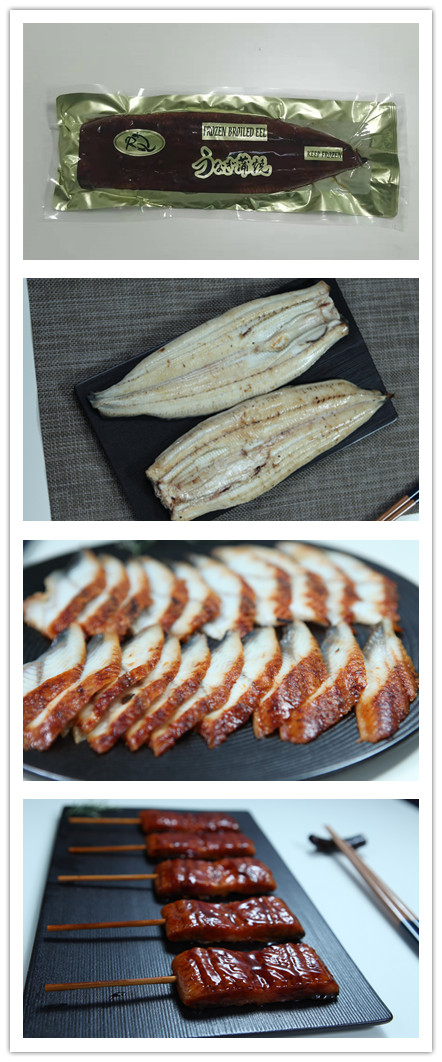
When pairing sauce with unagi kabayaki, begin with the existing flavor of the eel. Roasted eel already carries savory, fatty, and caramelized notes. A sauce that is too sweet can make the overall dish feel sticky. A sauce that is too salty may sharpen the finish and reduce the natural richness that diners expect from eel.
Adjust sweetness, saltiness, and viscosity for sushi drizzling and grilled-fish glazing
This is the practical split that many recipe tests miss. Sweet unagi sauce should not receive the same adjustment plan for sushi and grilled fish. The right direction changes with how the diner eats it.
| Adjustment point | Sushi drizzling | Grilled-fish glazing | Key checkpoint | Common failure reason |
|---|---|---|---|---|
| Sweetness | Keep sweetness restrained enough that rice, cucumber, egg, or avocado remain recognizable | Allow a fuller sweet note to support roasted aroma and surface caramelization | Taste with the complete bite, not sauce alone | Testing from a spoon and assuming the result will match the finished dish |
| Saltiness | Use a clean salty edge that prevents the drizzle from tasting like syrup | Use enough savory depth to balance fatty fish and a roasted surface | The aftertaste should be savory, not harsh | Adding saltiness without accounting for soy-seasoned rice or already-seasoned fish |
| Viscosity | Use a lighter flow for fine lines and controlled coverage | Use a thicker body for adhesion and a glossy coating | Observe how the sauce sits on the food surface | Using a thick glaze on rice or a thin drizzle for repeated fish basting |
| Finish | Clean, short, and suitable for several bites | Rounded, roasted, and visually rich | The final bite should not become cloying | Applying the same amount of sauce regardless of portion size |
How to tune sweetness for each application
For sushi, reduce the perception of sweetness by pairing the sauce with ingredients that add freshness or texture. Cucumber, pickled ginger, lightly acidic garnishes, and sesame can keep sweet unagi sauce from taking over the roll. The practical checkpoint is simple: after one bite, the diner should still identify the eel, rice, and filling separately.
For grilled fish, sweetness can be more pronounced because heat and roasted aromas need a rounded counterpoint. The sauce should support the browned surface rather than taste like a cold condiment placed on top afterward. This works best for grilled eel, salmon, and other rich fish. It does not fit delicate white fish, where a heavily sweet glaze can hide the fish’s lighter character.
How to tune saltiness without making the sauce harsh
Saltiness gives sweet unagi sauce structure. Without it, the sauce can taste one-dimensional. For sushi, the salty note should stay in the background because sushi rice and fillings may already include seasoning. For grilled fish, a slightly more pronounced savory impression can help balance fish fat and the roasted surface.
Do not judge saltiness immediately after tasting a warm sauce sample. Heat can change how sweetness and salt are perceived. Let the sauce cool to the likely serving condition, then taste it with the actual rice or fish. This matters especially when the sauce will be used for sushi, where the food is often not piping hot.
How to tune viscosity by watching the spoon and the food
Viscosity is the thickness and flow resistance of a liquid. For sushi, sweet unagi sauce should fall from a spoon in a controlled ribbon and settle as a narrow line. If it forms wide puddles, the sauce is too heavy for a neat drizzle. If it vanishes into rice too quickly, it may be too thin for visual definition.
For grilled fish, test the sauce directly on a warm cooked portion. A suitable glaze coats the surface rather than running to the plate. If it slides off immediately, the sauce lacks body for glazing. If it sits in a thick, sticky mound, it may cover the fish instead of enhancing it.
Use a controlled tasting procedure instead of changing everything at once
Conclusion: Change only one sensory direction per test round. Why: if sweetness, saltiness, and viscosity are all changed together, the reason for improvement or failure becomes unclear. Best fit: this method is useful for home recipe trials and menu development teams. Limit: it requires patience and labeled samples; it is not ideal when service is already underway.
- Define the dish first. Write down whether the sauce is for sushi drizzling, fish glazing, rice bowls, or dipping. Do not begin with a generic “eel sauce” target.
- Prepare a reference sample. Taste the original sauce by itself, then taste it with the actual dish component. For sushi, use the intended rice and filling. For grilled fish, use the cooked fish surface.
- Identify one dominant problem. Is the sauce too sweet, too salty, too thin, too thick, or simply too strong in overall flavor? Choose one issue only for the next adjustment.
- Make one targeted adjustment. If the sauce overwhelms sushi rice, focus on reducing perceived sweetness or improving flow. If it runs off grilled fish, focus on body before increasing sweetness.
- Rest and retest. Taste the sauce at the serving condition. Then test a full bite, not just a spoonful.
- Check visual performance. On sushi, inspect line definition and pooling. On grilled fish, inspect coverage, shine, and whether the glaze remains on the surface.
- Record the result. Note the application, serving condition, taste result, and visual result. This makes the next trial faster and prevents repeated mistakes.
A useful cold fact: the sauce that tastes best from a spoon is not always the sauce that performs best on food. Rice dilutes and absorbs flavor. Fish fat carries sweetness differently. Heat changes aroma. That is why sweet unagi sauce needs an application test before it becomes a menu standard.
Avoid the flavor mistakes that make eel sauce feel heavy or bland
Small mistakes can turn a promising batch into a sauce that looks good but disappoints in the first bite. Use this list as a practical quality check before service or product selection.
- Mistake: treating sushi and grilled fish as identical applications. The result is often a sauce that is too thick for rice or too thin for fish. Use a lighter-flowing version for drizzling and a more adhesive version for glazing.
- Mistake: tasting only the sauce. A spoon test cannot show how the sauce interacts with rice, nori, fish fat, or garnish. Always test it on the intended food.
- Mistake: adding sweetness to fix weak flavor. Weakness may come from low savory depth or poor surface coverage, not insufficient sweetness. Check the finish before making the sauce sweeter.
- Mistake: using too much sauce to compensate for bland fish. Extra sauce can hide poor fish quality and leave the dish sticky. Improve the fish seasoning or cooking result first.
- Mistake: ignoring application method. A brush, squeeze bottle, spoon, and dipping cup produce different coverage. Select the serving tool before finalizing viscosity.
- Mistake: forgetting the rest of the menu. A sweet sauce may work beside plain rice but feel excessive with sweet drinks, rich mayonnaise, or glazed side dishes.
For more troubleshooting ideas, compare your result with this kabayaki sauce recipe: fix flavor mistakes guide. It is especially helpful when the issue is not one flavor note, but an unbalanced finish after cooking.
Choose a sauce and eel pairing that supports the intended menu format
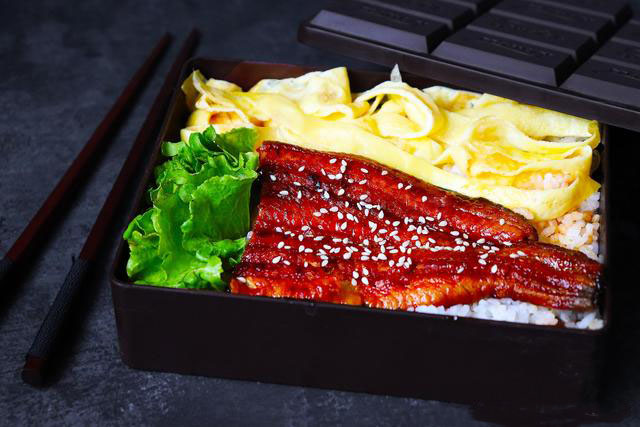
For a sushi roll, a lighter application of sweet unagi sauce usually gives better bite control. It lets the rice, filling, and eel remain distinct. For an eel rice bowl, a more rounded sauce can connect the eel and rice, provided the rice does not become soggy. For grilled fish, a glaze with stronger cling supports a polished, roasted presentation.
Eelpro produces frozen unagi kabayaki and eel sauce for buyers who need application-specific sauce performance. Our export-grade roasting process uses four precise layers of soy sauce with temperature-controlled steps, alongside defined color standards from white-roasted eel through the first to fourth soy-sauce coatings. This is relevant when chefs want sauce flavor to support the roasted eel profile rather than compete with it.
For buyers developing foodservice menus, product consistency matters as much as flavor preference. Eelpro operates two modern production lines with an annual finished-goods capacity of 4,000 tons, supported by a 1,000-ton cold storage facility. The company is certified to ISO 22000:2018, HACCP, and HALAL requirements, with export food producer registration. These points matter for importers and restaurant groups seeking stable product handling and traceability, but they do not remove the need to test each sauce against the final recipe and local customer preference.
Our eel supply chain includes around 20 customs-registered farming bases covering more than 2,150 mu, with traceability from farm registration through process verification and shipment tracking. An in-house laboratory and metal detectors support food safety controls. Eelpro supplies kabayaki eel to Japanese restaurant chains and exports eel products to importers and foodservice channels in the United States, Germany, Poland, Australia, Indonesia, and Southeast Asia.
Use this buyer checklist before selecting a sauce for recipe testing
- Is the sauce intended for a drizzle, a glaze, a bowl finishing sauce, or a dip?
- Will it be served over sushi rice, warm grilled fish, or both?
- Does the sauce need to flow through a squeeze bottle or cling under brushing?
- Does the final dish include other sweet ingredients that could make the meal feel heavy?
- Does the fish already have seasoning, smoke, char, or a fatty texture that changes the sauce balance?
- Have you tasted the sauce on the finished food rather than only from a spoon?
- Does the supplier provide product information suitable for your packaging, menu format, and market requirements?
Sweet unagi sauce works best when it has a clear job. Keep it lighter and cleaner for sushi. Give it more body and roasted depth for grilled fish. Test the whole bite, then make only one adjustment at a time.
If you are developing an eel menu or testing a new sauce format, request a sample or selection advice from Eelpro for your intended serving application.
 WhatsApp
 sales@chinaeels.com
 +8619937922411