





A Simple Unagi Nigiri Recipe Turns Frozen Kabayaki Into Restaurant-Style Sushi at Home
Most home cooks ruin unagi nigiri before it even reaches the plate. The rice falls apart. The eel turns rubbery. The sauce pools on the plate instead of clinging to the fish. A working unagi nigiri recipe fixes all three problems — if you get four details right: rice temperature, eel reheating, cutting thickness, and sauce coating. This guide breaks each one down, chef-style, so your homemade unagi nigiri holds together and actually tastes like the version you order at a sushi counter.
What Goes Into a Proper Unagi Sushi Recipe
You don't need a sushi chef's training to build good eel nigiri sushi at home, but you do need the right components on hand before you start. Here's the short list:
- Cooked short-grain rice, still warm (not hot)
- Seasoned rice vinegar, sugar, and salt for sushi-zu
- Pre-cooked unagi kabayaki, thawed
- Kabayaki or eel sauce (unagi tare) for glazing
- A bowl of water with a splash of vinegar, for wetting your hands
- Optional garnish: sansho pepper, thin scallion, toasted sesame
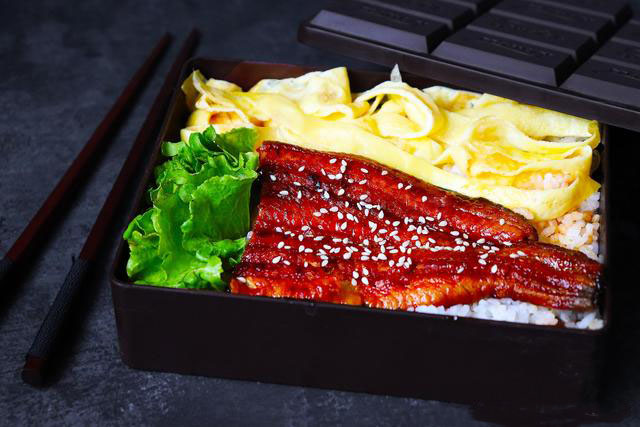
The eel itself does most of the heavy lifting in a Japanese eel sushi recipe. Skip the raw preparation and start with roasted, sauced kabayaki — it's already been through the deboning, roasting, and glazing steps that take most of the effort out of a home sushi night.
The Technical Breakdown — Parameters That Decide If Your Nigiri Holds Together
Nigiri looks simple, but it's a balancing act. Get any of the following five parameters wrong and the piece either collapses on the plate or tastes off. This is the part most recipe blogs skip — and the part that actually separates a sloppy attempt from a clean, restaurant-style result.
| Parameter | What It Actually Affects | If You Get It Wrong | Target Range |
|---|---|---|---|
| Rice temperature | How well grains bind when pressed, and how the eel sits on top | Cold rice won't compress into shape; too-hot rice cooks the eel underneath and dries out the topping | 32–37°C (90–98°F), body-warm, never straight from the fridge or the pot |
| Vinegar-to-rice ratio | Flavor balance and how long the rice stays fresh at room temperature | Too much vinegar turns rice mushy and sour; too little leaves it bland and shortens holding time | Roughly 3 tbsp seasoned vinegar per 2 cups (about 360g) cooked rice |
| Eel reheating time/temp | Whether the fillet stays moist or turns rubbery, plus basic food safety | Overheating toughens the fat layer and dries the flesh; underheating leaves a cold, unpleasant center | Steam 3–4 minutes, or heat until the fillet is warm through and the glaze looks glossy, not bubbling dry |
| Cutting thickness | How the topping sits on the rice and whether it holds during pickup | Too thick and it topples off the rice ball; too thin and it tears when lifted with chopsticks | 1–1.5cm slices, sized to match a 15–20g rice ball |
| Sauce viscosity and amount | Whether the glaze clings to the eel or runs onto the plate | Thin sauce pools and makes rice soggy; thick sauce clumps and overwhelms the eel's own flavor | 1–2 light brushed coats, letting each set for a few seconds before adding the next |
None of these numbers are arbitrary. They come from how starch, fat, and sugar behave under heat — the same reasoning behind the kabayaki sauce layering method used in commercial roasting, where soy sauce is applied in controlled coats rather than one thick dip.
Step-by-Step Unagi Nigiri Assembly
- Cook rice and season it with sushi-zu while the eel is still thawing.
- Thaw frozen kabayaki in the refrigerator overnight, or in cool water for about 20–30 minutes.
- Reheat the eel gently — steaming or a low oven works better than a microwave, which dries it fast.
- Slice the eel to your target thickness, cutting against the grain for a cleaner bite.
- Wet your hands with vinegar water and shape rice into ovals, about 15–20g each.
- Press the eel slice onto the rice, curving it slightly to match the shape of your palm.
- Brush on tare sauce in thin layers, letting each coat set before adding the next.
- Garnish and serve immediately — nigiri doesn't hold well once assembled.
Common Mistakes When Making Homemade Unagi Nigiri
- Skipping the thaw step. Reheating eel straight from frozen cooks the outside before the center warms, leaving uneven texture.
- Over-vinegaring the rice. A heavy hand on the sushi-zu masks the eel's flavor instead of complementing it.
- Using cold rice. It won't bind, and the topping slides off the moment you pick it up.
- Sauce straight from the jar. Cold sauce is thick and won't spread evenly — warm it slightly before brushing.
- Cutting with the wrong grain. The fillet tears apart mid-bite instead of holding its shape.
One cold-knowledge note worth remembering: the multi-layer soy-sauce coating on quality kabayaki isn't decorative. Each coat is applied at a controlled step during roasting, building color and flavor depth without over-salting the fillet — a process closer to lacquering than simple basting. That's part of why the reheating step matters so much; done right, it revives that coating instead of breaking it down.
Sourcing Frozen Unagi Kabayaki That Actually Performs in Nigiri
Home cooks can get away with a single pack of kabayaki. Restaurants and catering teams can't. If you're building a menu around eel nigiri sushi, the eel you start with determines almost everything downstream — texture, consistency, plate cost, and compliance with import rules. Here's what to check before ordering:
- Boneless, pre-deboned fillets — cuts back-of-house prep time significantly
- Consistent roasting color grading and soy-sauce coating layers, so every batch tastes and looks the same
- Cold-chain storage and shipping — product held at stable frozen temperatures resists texture breakdown far better than eel exposed to temperature swings
- Traceable sourcing back to a registered eel farm, useful for import documentation
- Lab-verified batches, including metal detection and residue testing, for buyers shipping into Japan, the US, or the EU
Eelpro operates under ISO 22000:2018 and HACCP systems, holds HALAL certification, and produces under an Export Food Producer Registration Certificate alongside SC Food Production License No. SC11135062401122. Products are supported by an in-house eel lab and roughly 20 customs-registered farming bases covering over 2,150 mu, which gives full traceability from farm registration through shipment. A 1,000-ton cold storage facility keeps product quality stable through the cold chain, and two production lines cover both roasted eel and deep-processed aquatic products at a combined annual capacity of 4,000 tons.
These systems already support long-term supply to Japanese restaurant chains, US food importers, and distributors across Germany, Poland, and the wider EU, along with foodservice and retail buyers in Australia, Indonesia, and Southeast Asia. If you're comparing a frozen eel supplier against a local one, ask specifically about soy-sauce coating consistency and cold-chain handling — those two factors affect nigiri texture more than almost anything else on the spec sheet.
Plating and Serving Tips for Consistent Presentation
Consistency is what separates a home plate from a menu item. For foodservice teams running a repeatable unagi sushi recipe, standardize piece weight (rice and topping together, typically 30–40g per piece) and hold reheated eel no longer than 30 minutes before service — flavor and texture both drop off past that window. For plating, keep the eel's glossy side facing up, brush the final sauce coat right before the piece leaves the pass, and use a light garnish rather than piling on extras that hide the eel's own color.
Frozen seafood in general benefits from the same discipline — thaw slowly, reheat gently, and plate fast. If you're expanding beyond nigiri, our frozen seafood range and eel product lines pair well with other Japanese-style dishes on the same menu.
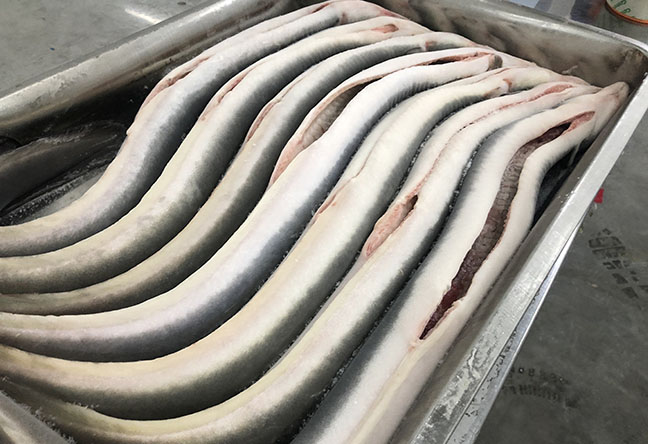
Looking to build out more eel dishes beyond nigiri? Try the unakyu maki roll for a lighter format, or the unagi ramen guide if you want a hot-bowl option using the same kabayaki base. For teams handling raw eel from scratch rather than pre-cooked kabayaki, the cleaning, skinning, and deboning guide covers the prep steps this recipe skips by starting from finished kabayaki.
Nancy Chen, a food safety and quality specialist with over 12 years in seafood export QA, notes that texture problems in unagi nigiri usually trace back to reheating, not the recipe steps themselves — a reminder that even a good unagi nigiri recipe depends on starting with well-processed, properly stored eel.
Ready to test kabayaki quality for your own nigiri program? Reach out for a product sample or spec sheet, and we'll walk you through cutting formats, packaging options, and MOQ details suited to your order size.
 WhatsApp
 sales@chinaeels.com
 +8619937922411