





Why Balancing Eel Roll Sushi Ingredients is Key for Clean Slices and Stability
You’ve constructed a beautiful unagi maki roll. The fillings are centered, the roll is tight, but the moment you slice it, the structure fails. The nori tears, the rice sticks to the knife, and the center loosens. For foodservice chains and catering operations, this inconsistency is a direct hit to cost and customer satisfaction. The problem often isn't the rolling technique; it’s the lack of equilibrium among your eel roll sushi ingredients.
As a quality specialist with over a decade in seafood export, I've seen how minor imbalances in moisture, temperature, and texture can ruin an otherwise perfect product. The key is controlling each component *before* it ever touches the rolling mat. A stable, sliceable eel roll starts with sourcing ingredients that are designed for consistency, from the protein to the rice and sauce.

The Foundation: Choosing and Preparing Unagi for Structural Integrity
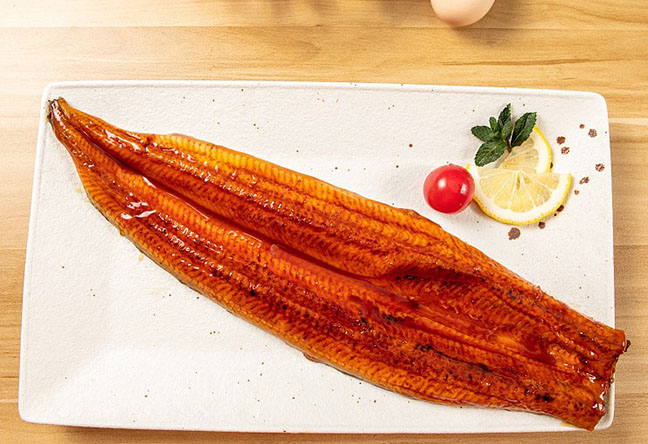
The star of any unagi roll is the eel itself. However, its preparation significantly impacts the roll's final structure. Freshly prepared eel can introduce excess moisture and an inconsistent texture, leading to slippage during slicing. This is where high-quality, frozen unagi kabayaki eel offers a distinct advantage for commercial kitchens.
Professionally processed frozen eel is engineered for stability. At Eelpro, our patented low-fat roasting and deodorizing technology creates a firmer texture that holds its shape. The process involves four precise layers of soy sauce, each applied at a controlled temperature. This method ensures the flavor penetrates the eel without making the surface overly wet or sticky—a common cause of roll failure.
For foodservice operators, ingredient standardization is non-negotiable. Using a supplier that provides consistent cuts saves valuable back-of-house labor and ensures every roll is uniform. Consider these options:
- Sushi Slices: Pre-cut to a specific length and thickness, these are the most efficient option for high-volume production. They lay flat and provide even coverage within the roll.
- Cut Pieces (Strips/Chunks): Ideal for custom rolls or as a primary filling. Sourcing standardized strips ensures the volume of eel in each roll is consistent, which is critical for maintaining the rice-to-filling ratio.
- Boneless/Deboned Fillets: These offer flexibility but require in-house portioning. A reliable frozen eel supplier guarantees that every fillet is fully deboned, eliminating a critical food safety risk and labor-intensive step.
By starting with a structurally sound eel component, you eliminate a major variable that leads to roll collapse. The eel should be fully thawed and brought to room temperature before rolling to prevent it from "sweating" inside the roll and compromising the nori.
The Critical Balance: How Moisture and Volume Prevent Roll Collapse
A sushi roll is a delicate ecosystem. Every ingredient adds or subtracts moisture and volume. When these factors are out of balance, the structural integrity is lost. This is the single most common reason for messy slices, soggy nori, and loose centers. As a food safety auditor, I analyze these critical control points to prevent product failure.
Here’s a breakdown of how key eel roll sushi ingredients interact and what happens when their balance is off.
| Ingredient/Factor | Correct Balance (The Goal) | Common Imbalance (The Problem) | Result of Imbalance |
|---|---|---|---|
| Sushi Rice Temperature | Cooled to just above room temperature. The vinegar is absorbed, and grains are distinct but sticky. | Using rice that is too warm or hot. | The heat transfers to the nori, causing it to shrink, wrinkle, and become chewy. Steam creates excess moisture, leading to a soggy roll. |
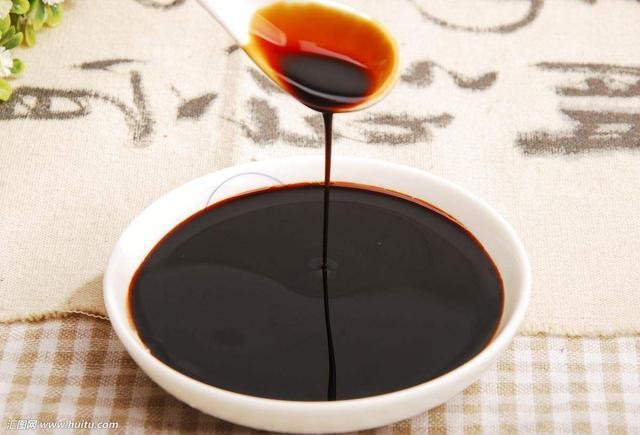
| Eel Sauce (Unagi Tare) | A light, even glaze on the eel. The sauce should be thick enough to cling without dripping. | Applying too much sauce or using a thin, watery sauce. | Excess sauce seeps into the rice and nori, creating a wet, unstable core. The roll becomes difficult to slice cleanly and falls apart easily. |
| Fillings (e.g., Cucumber, Avocado) | Cucumber is deseeded and cut into thin batons. Avocado is firm-ripe, not mushy. | Using watery, unseeded cucumber or overripe, mushy avocado. | These ingredients release water, saturating the rice from the inside out. The roll’s center becomes loose and lacks textural contrast. |
| Rice Layer Thickness | A thin, even layer of rice (approx. 2-3 grains thick) covering the nori, with a small gap at the top edge. | Spreading the rice too thick or unevenly. | An overly thick rice layer makes the roll difficult to close tightly. It overpowers the flavor of the eel and results in a gummy, bulky texture. |
| Filling Volume | Fillings occupy about one-third of the roll's diameter, creating a tight, compact center. | Overstuffing the roll with too many ingredients. | The nori cannot seal properly, and the roll is impossible to slice without the contents spilling out. Structural integrity is completely compromised. |
Achieving this balance consistently across thousands of units requires standardized ingredients. Using a pre-glazed unagi kabayaki and a commercially prepared, high-viscosity eel sauce helps control two of the most significant moisture variables.
Sourcing Checklist for High-Consistency Eel Roll Ingredients
For importers, distributors, and large restaurant chains, product consistency is paramount. A single bad batch can affect brand reputation and operational efficiency. When evaluating a supplier for eel and other seafood ingredients, focusing on their quality systems is just as important as the product itself.
Here is a checklist to help you vet potential partners and ensure you receive ingredients that perform reliably every time.
Buyer's Decision Checklist:
- Certifications and Compliance: Does the supplier hold internationally recognized certifications? Look for ISO 22000:2018 for food safety management and HACCP for hazard control. For specific markets, certifications like HALAL may be required. Furthermore, verify they have an Export Food Producer Registration, which is essential for international trade. These systems ensure that processes are standardized and risks are managed from raw material to finished product.
- Traceability and Raw Material Control: Can the supplier trace the product back to its source? We operate approximately 20 customs-registered unagi eel farms. This full-chain control—from farming registration to targeted sampling and traceability tracking—is critical for meeting the stringent veterinary drug residue and microbiological standards of markets like Japan, the US, and the EU.
- Processing and Technology: What technologies do they use to ensure consistency? Ask about their roasting and saucing processes. Our 4-layer coating process and patented low-fat processing technology are designed to produce a firm, flavorful product that doesn't compromise roll structure. An in-house eel lab and metal detectors at critical control points are signs of a mature quality control program.
- Production Capacity and Logistics: Can the supplier meet your volume requirements and manage the cold chain? With a 4,000-ton annual production capacity and a 1,000-ton cold storage facility, we can handle large orders for clients in markets from Germany to Australia while ensuring product integrity through stable cold-chain logistics.
- Product Specifications and Customization: Does the supplier offer standardized cuts and flexible MOQ policies? Whether you need white-roasted skewers, specific kabayaki cuts, or custom packaging formats, a good partner should be able to accommodate your needs. Differentiated MOQs for different client types (e.g., catering chains vs. export traders) show an understanding of the market.
Choosing a supplier based on these criteria mitigates risk and provides the foundation for a consistent, high-quality final product. The best nori and perfectly seasoned rice can't save a roll made with subpar eel.
By controlling the quality and consistency of your core eel roll sushi ingredients, you move from hoping for a good result to engineering one. This systematic approach reduces waste, standardizes presentation, and delivers the quality your customers expect.
For foodservice professionals looking for reliable, ready-to-use frozen unagi kabayaki that meets strict international food safety standards, our products provide the consistency you need. Contact our team to request a product specification sheet and samples.
 WhatsApp
 sales@chinaeels.com
 +8619937922411