





The Essential Eel Roll Sushi Ingredients for Authentic Flavor
As a food safety and quality specialist, I've seen firsthand what separates a mediocre eel roll from an exceptional one. The difference isn't complicated technique; it's the quality and balance of the core components. For foodservice businesses, restaurant chains, and importers, understanding the non-negotiable eel roll sushi ingredients is the first step toward delivering a consistent, high-quality product that customers will return for. It all begins with a clear blueprint of what belongs in the roll—and what doesn't.
This guide breaks down the essential and optional ingredients, explains the critical role of sourcing certified unagi, and outlines common preparation mistakes. Our goal is to provide the clarity needed to build a successful unagi maki program, ensuring both authentic flavor and supply chain security for your business.
Essential vs. Optional: Building Your Unagi Maki Roll
The classic unagi maki is a study in simplicity, where each ingredient has a distinct purpose. Adding too many optional fillings can mask the delicate, savory flavor of the roasted eel. For businesses aiming for an authentic Japanese profile, mastering the essentials is key. Below is a comparison of the foundational components versus popular additions, and how each impacts the final taste and texture.

| Ingredient Category | Component | Role in the Roll (Flavor & Texture) | Why It's Essential or Optional |
|---|---|---|---|
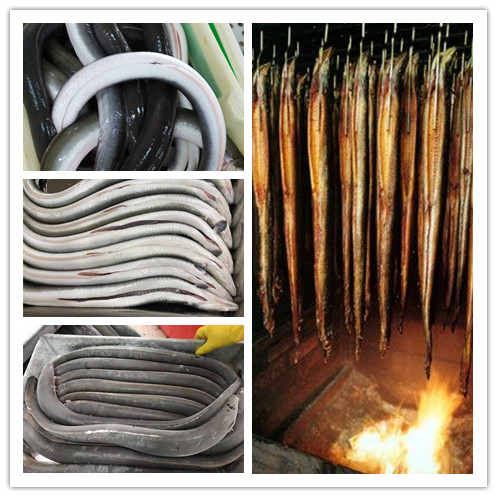
| Essential | Unagi Kabayaki (Roasted Eel) | The star of the roll. Provides a rich, savory, and slightly sweet flavor with a soft, tender texture. The smoky notes from the roasting process are its signature. | Essential. Without it, the roll is not an unagi maki. The quality of the eel dictates the quality of the entire dish. |
| Essential | Sushi Rice (Shari) | Provides a subtly sweet and tangy foundation. Its sticky texture holds the roll together and offers a pleasant chew that contrasts with the soft eel. | Essential. The seasoned rice is the structural and flavor base of all maki sushi. Using regular rice will result in a poor texture and taste. |
| Essential | Nori (Seaweed) | Adds a mild, briny, umami flavor and a crisp, slightly chewy texture that contains the fillings. | Essential. Nori is the wrapper that defines a maki roll, providing structure and a distinct oceanic taste. |
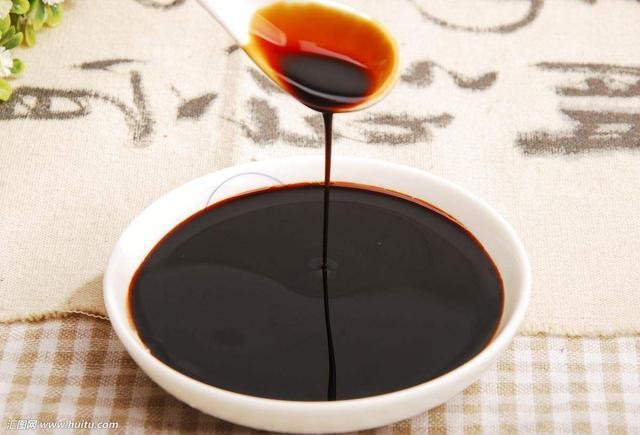
| Essential | Eel Sauce (Unagi no Tare) | A thick, sweet soy-based glaze. It's used to coat the eel and often drizzled on top, amplifying the savory-sweet profile. | Essential. This sauce is integral to the kabayaki flavor. A high-quality eel sauce enhances the eel without being overpowering. |
| Optional | Cucumber (Kyuri) | Adds a fresh, clean crunch and a cool, watery contrast to the rich eel. | Optional. A classic pairing (known as Unakyu Maki), but not strictly required. It's a great way to add textural variety. |
| Optional | Avocado | Introduces a creamy, buttery texture and a mild, rich flavor that complements the eel. | Optional. A popular addition in Western-style sushi. It adds richness but can sometimes mute the eel's flavor if used too generously. |
| Optional | Toasted Sesame Seeds | Sprinkled on the outside, they add a nutty aroma and a slight textural pop. | Optional. Primarily a garnish for aroma and texture, not a core flavor component. |
Sourcing Quality Unagi: A Checklist for B2B Buyers
The quality of your unagi kabayaki is the single most important factor. For importers and distributors in markets like Japan, the US, and the European Union, sourcing eel that meets stringent food safety standards is not just about taste—it's about avoiding costly import rejections and protecting your brand. From my experience managing quality systems, I can confirm that full-chain traceability is the only way to guarantee a safe and consistent product.
At Eelpro, our entire process is built around this principle. We operate with over ~20 customs-registered eel farming bases, giving us direct control over the raw material. This allows for targeted sampling and verification from farm to final shipment. Here is a practical checklist for evaluating a potential frozen eel supplier.
Buyer's Decision Checklist for Frozen Eel
- Certifications: Does the supplier hold internationally recognized certifications? Look for ISO 22000:2018 for Food Safety Management and HACCP for hazard control. For specific markets, HALAL certification may be necessary. These are not just logos; they represent a documented, audited commitment to safety. Our facility holds all three, plus an Export Food Producer Registration Certificate.
- Traceability: Can the supplier trace a batch of finished product back to the specific farming base it came from? A robust traceability system is your best defense against issues like veterinary drug residues. We maintain a full-chain system from farm registration to process verification.
- In-House Quality Control: Does the facility have its own laboratory and quality control team? An in-house lab allows for rapid testing and verification. Our team of 25 technical and QC personnel, supported by metal detectors at critical control points, ensures products meet Japan, US, and EU food inspection standards.
- Production Capacity & Logistics: Can the supplier handle your volume and maintain quality? With an annual capacity of 4,000 tons and a 1,000-ton cold storage facility, we ensure a stable supply and unbroken cold chain. Standard orders ship in approximately 30 days.
- Processing Technology: What makes their product unique? Ask about their roasting and preparation methods. Our patented low-fat roasting process and 4-layer soy-sauce coating technique create a superior texture and flavor profile, setting a benchmark for 'white-roasted color' and sauce application standards.
Avoiding Common Assembly Mistakes for a Perfect Roll
Once you have sourced high-quality ingredients, consistent preparation is the final step. For restaurant chains and foodservice operators, standardizing the assembly process minimizes waste and ensures every customer receives the same excellent product. Here are some of the most frequent errors we help our clients troubleshoot.
Mistake 1: Improperly Prepared Sushi Rice
Using standard long-grain rice or failing to season it correctly is a fatal flaw. Sushi rice must be a specific short-grain variety, cooked to the right consistency, and seasoned while warm with a mixture of rice vinegar, sugar, and salt. The seasoning provides the signature tang and acts as a preservative. Without it, the rice is bland and lacks the proper sticky texture to hold the roll together.
Mistake 2: Overloading the Roll
It's tempting to pack the roll with fillings, but this is a common beginner's error. An overstuffed maki will be difficult to roll tightly and will often burst or fall apart when cut. The ideal ratio is a thin, even layer of rice and a central line of fillings that allows the nori to overlap by at least one inch (2.5 cm) when rolled, creating a secure seal.
Mistake 3: Using a Dull Knife
Trying to slice a sushi roll with a dull knife will crush it, smearing the ingredients and creating a messy presentation. A long, sharp knife is essential. For the cleanest cut, dip the tip of the knife in water before each slice to prevent the rice from sticking. This single step dramatically improves the final appearance.
Mistake 4: Inconsistent Eel Portions
For a commercial operation, portion control is vital for cost management and consistency. Using pre-cut, standardized eel portions ensures every roll has the same amount of the most valuable ingredient. We offer custom cutting specifications—including shredding, dicing, and sushi slices—to help our foodservice partners reduce back-of-house labor and maintain perfect portioning. This is a key advantage of working with a specialized frozen eel supplier.
By focusing on high-quality sourcing and avoiding these simple preparation pitfalls, any foodservice business can master the art of the unagi maki. The right foundation of eel roll sushi ingredients, backed by a reliable and certified supply chain, is the recipe for success.
For foodservice businesses and importers looking for a consistent supply of certified, ready-to-use unagi kabayaki, contact our team to request a full product specification sheet.
 WhatsApp
 sales@chinaeels.com
 +8619937922411