





Your knife slides through what should be a clean roll — and the nori tears. Rice turns gummy at the seam. A thin puddle of juice spreads across the cutting board. Sound familiar?
Most home cooks blame the rice. The real culprit is almost always a watery cucumber filling breaking down the nori before the roll even reaches the table.
This guide covers the exact prep — salting, drying, cutting — that keeps eel rolls sushi crisp from the first bite to the last, whether you're rolling with fresh-cooked eel or frozen unagi kabayaki.
Reviewed by Nancy Chen, Senior Food Safety & Quality Specialist with 12+ years in seafood export quality assurance.
Cucumber is about 95% water by weight. Once you slice it and pack it against rice and nori, that moisture doesn't sit still — it moves. Through a process called osmosis, water migrates from the wetter cucumber into the drier rice and seaweed, softening both within minutes.
Nori is designed to be crisp when dry and pliable only when you moisten it on purpose during rolling — not soaked from the inside by an ingredient added five minutes earlier. Rice absorbs the same runoff, turning gummy instead of holding its shape at the cut edge.
This is why rolls made with un-prepped cucumber can look fine on the mat, then fall apart or weep liquid within 20 to 30 minutes on the table. If you're serving eel rolls sushi at a gathering, that window matters more than it seems.
This is the three-step fix used in most sushi kitchens. None of it takes special equipment — just a bit of patience before you touch the bamboo mat.
| Step | Action | Time / Amount | Checkpoint | Common Failure |
|---|---|---|---|---|
| 1. Salt | Sprinkle 1/2 teaspoon salt per medium cucumber, cut into batons | Rest 10-15 minutes | Surface beads with visible moisture | Skipping this step because the cucumber "looks dry" already |
| 2. Press | Press batons gently between paper towels or a clean kitchen towel | 30 seconds of light pressure | Towel comes away damp, not soaked | Pressing too hard, crushing the cucumber into mush |
| 3. Dry | Pat dry a second time with a fresh, dry towel | Immediate | No visible sheen on the surface | Reusing the same wet towel for the second pass |
| 4. Cut | Cut into matchstick strips, 5-6mm thick, seeds removed | Just before rolling | Strips feel firm, not limp | Cutting too far ahead — cucumber keeps releasing water while it sits |
If you're making rolls for immediate eating, a shorter 10-minute salt rest is usually enough. If the rolls need to hold for a packed lunch or a party platter, don't skip the second dry pass — that's the step most people cut for time, and it's the one that actually prevents sogginess.
One frequent question: does salting change the flavor of eel rolls sushi? Not noticeably. Most of the salt rinses away with the released water, and the light residual saltiness pairs well against the sweetness of a good eel sauce glaze.
Many professional kitchens salt cucumber twice — once for 10 minutes before pressing, then a second short pass right before rolling if the room is humid. Above roughly 70% humidity, evaporation slows down, so cucumber can quietly re-absorb ambient moisture between prep and rolling. A second quick salt-and-blot pass fixes that without over-salting the strip.
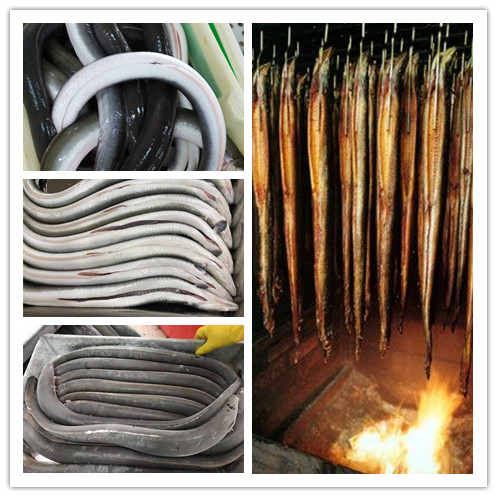
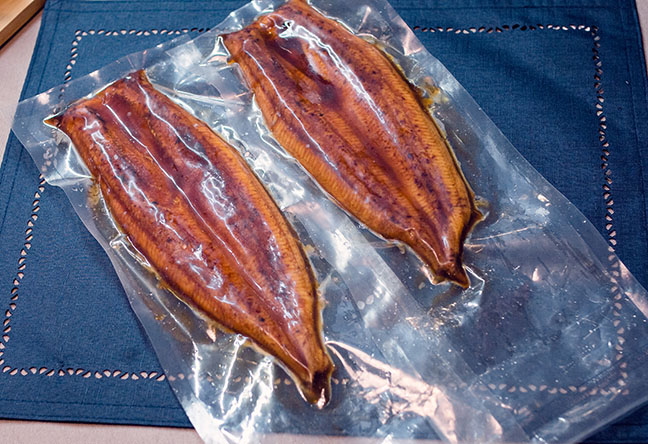
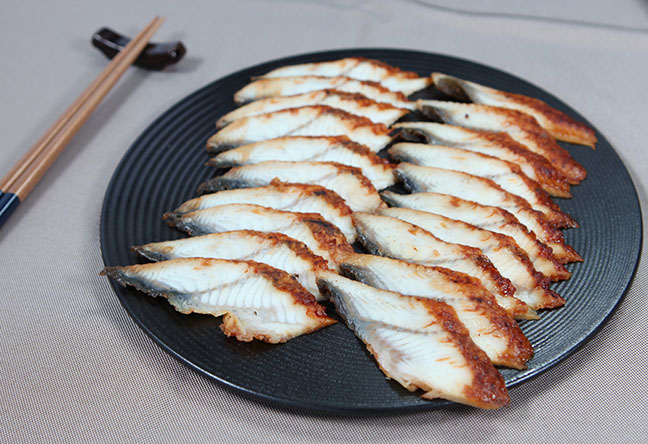
The eel itself also affects how much extra moisture ends up in your roll. Fresh-cooked eel varies batch to batch; frozen kabayaki that's been properly processed and thawed gives more consistent results.
| Factor | Frozen Unagi Kabayaki | Fresh-Cooked Eel |
|---|---|---|
| Prep time | Thaw, pat dry, slice — under 10 minutes | Clean, debone, roast — 45+ minutes |
| Moisture control | Sealed glaze layer holds shape after slicing | Varies with roasting technique and freshness |
| Flavor consistency | Standardized soy-sauce coating layers | Depends on the cook's roasting skill |
| Best for | Weeknight rolls, meal prep, consistent texture | Cooks who want to control every roasting step |
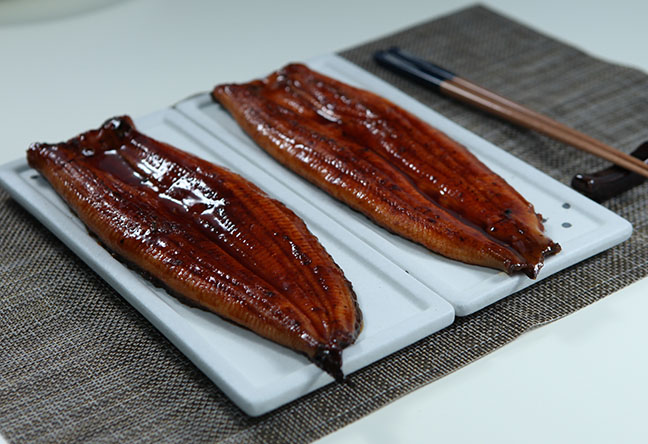
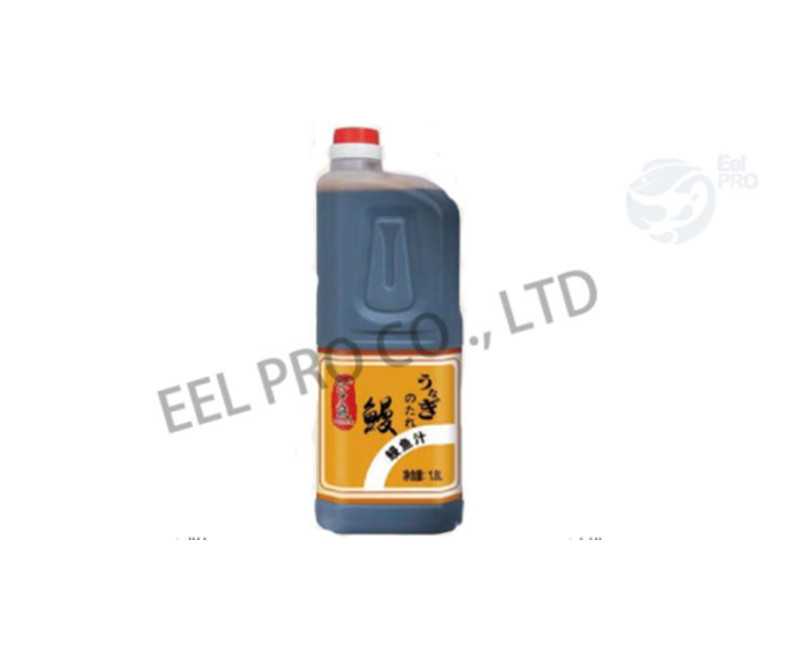
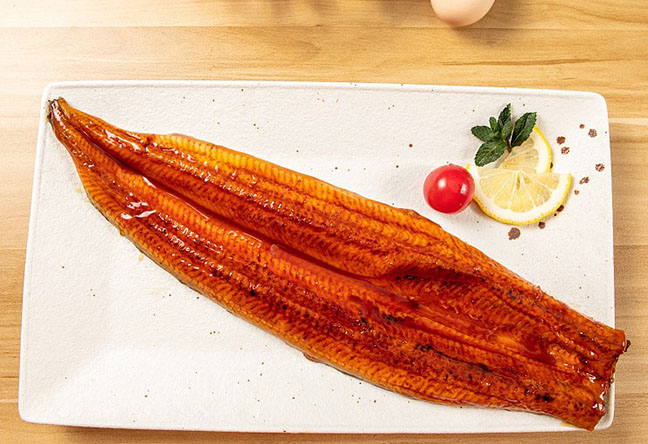
Products like frozen unagi kabayaki go through a four-layer soy-sauce coating process with temperature-controlled roasting steps, which is why the glaze stays put once sliced instead of weeping extra liquid into your rice. That matters just as much as cucumber prep — a glaze that runs will soften nori from the eel side, not just the vegetable side. You can read more about how that coating process affects flavor and texture in this piece on kabayaki sauce quality.
Even with dried cucumber and well-prepped eel, the order you layer ingredients still affects the final bite.
Common mistakes worth flagging:
For a full walkthrough of the classic layering pattern, the unakyu maki recipe is a good reference point if you want cucumber and eel in the traditional inside-out style.
Ingredient quality decides half the battle before you even pick up a knife. Use this checklist before you buy:
If you're sourcing at volume rather than for a single dinner, it helps to look at a supplier's in-house lab testing process and their broader frozen seafood range before placing an order, especially if you're comparing multiple vendors on cold-chain reliability.
Salt the cucumber, press it, dry it twice if the kitchen's humid, and cut it right before rolling. Thaw and pat down your eel fully before slicing. Rest the finished roll for a minute before cutting. None of this is complicated — it's just the order most people skip when they're in a hurry, and it's exactly why some eel rolls sushi hold their shape for hours while others fall apart on the plate.

Got a cucumber prep trick that works better in your kitchen? Drop it in the comments — and if you're stocking up for a bigger sushi night, you can request a sample or spec sheet for our frozen unagi kabayaki and eel sauce, or browse the unagi rolls recipe for more roll-building ideas.

 WhatsApp
 sales@chinaeels.com
 +8619937922411