





In a professional kitchen, every detail matters. You've constructed a perfect eel roll—the rice is seasoned, the fillings are balanced, and the unagi kabayaki glistens under the lights. But during the final, critical step, the knife drags, the nori tears, and the roll compresses into a costly, unservable mistake. This single point of failure wastes ingredients, slows down service, and impacts profitability. The problem often isn't just one thing, but a combination of technique, temperature, and ingredient quality.
As a food safety and quality specialist with over a decade of experience in seafood exports, I've worked with dozens of restaurant chains in Japan, the US, and Europe to standardize their processes. The integrity of an eel roll starts long before it reaches the cutting board; it begins with the quality of the eel itself. Understanding the precise points of failure allows your kitchen to produce consistently clean, profitable, and appealing unagi dishes every time.

When an eel roll collapses or tears during slicing, it's a symptom of an underlying issue in the preparation process. Before you blame the ingredients, use this diagnostic checklist to identify the root cause. Each symptom points to a specific, correctable error in temperature, moisture, or mechanics. Pinpointing the problem is the first step toward eliminating it from your kitchen's workflow.
Here is a troubleshooting framework to diagnose the issue based on the type of tear you're seeing:
| Symptom: The Type of Tear | Primary Cause | Diagnosis and Solution |
|---|---|---|
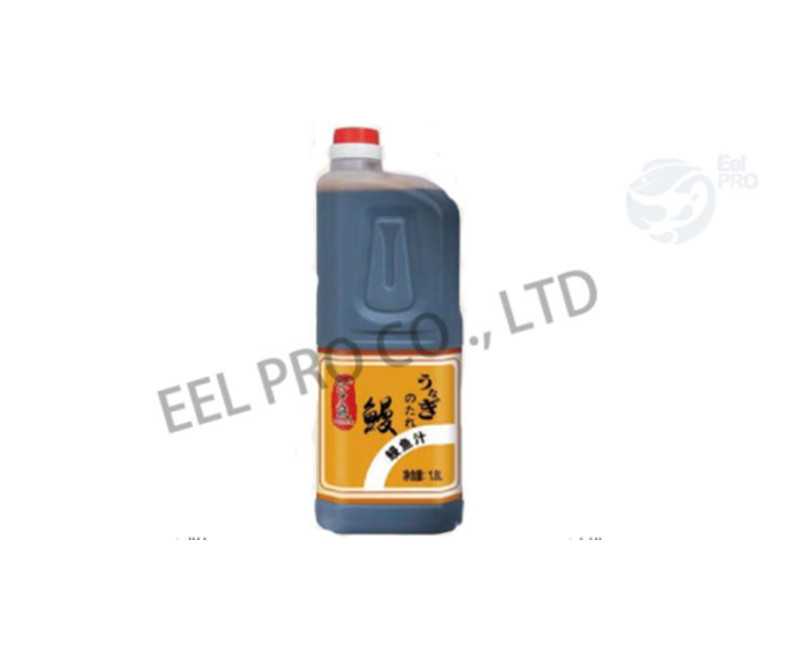
| The Gummy, Sticky Tear: The knife pulls the nori, and the rice seems to smear rather than cut cleanly. The roll feels overly moist and weak. | Excess Sauce or Moisture | This happens when too much eel sauce (unagi tare) has seeped from the eel into the rice, compromising the structural integrity of the grains. It can also occur if other fillings are too wet. Solution: Use a high-quality, viscous sauce that clings to the eel. Ensure the unagi is at room temperature and lightly blot any excess sauce before placing it in the roll. If using other wet ingredients like cucumber, pat them dry. |
| The Crumbly Collapse: The roll doesn't tear but simply falls apart as the knife presses down. The rice seems to have no adhesion. | Incorrect Rice Temperature | Sushi rice is a delicate balance. If the rice is too warm, it can make the nori weak and prone to tearing. If the rice is too cold (i.e., refrigerated), the starches recrystallize, and it loses its essential stickiness. Solution: Use sushi rice that has cooled to slightly above room temperature (around 32-34°C or 90-95°F). This temperature keeps the rice pliable and sticky enough to hold its shape without wilting the nori. |
| The Ragged, Compressed Tear: The cut is not clean but jagged. The roll looks squashed, and the fillings are pushed out from the ends. | Dull Knife or Poor Technique | This is purely a mechanical failure. A dull knife, especially a double-beveled one, crushes the delicate ingredients instead of slicing through them. A dry blade creates friction, causing it to drag and tear the nori. Solution: Use a properly sharpened, single-beveled Japanese sushi knife (yanagiba). Dip the tip of the blade in water and run the water down the blade before each cut to reduce friction. Use a single, long, drawing motion—pulling the knife from heel to tip—rather than a sawing motion. |
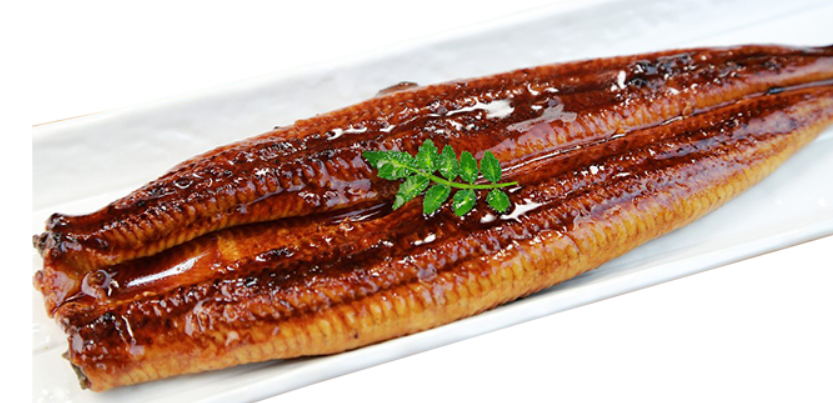
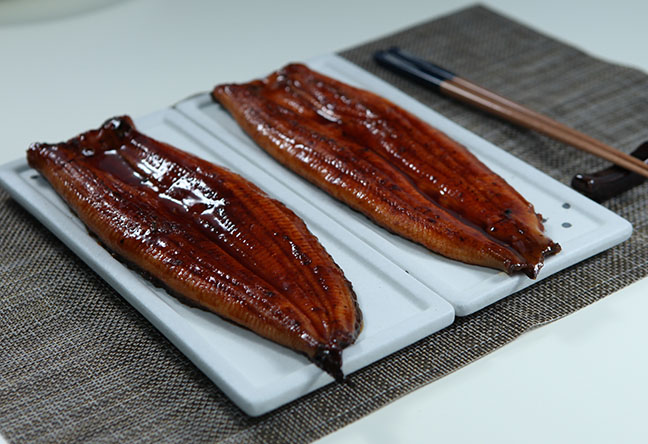
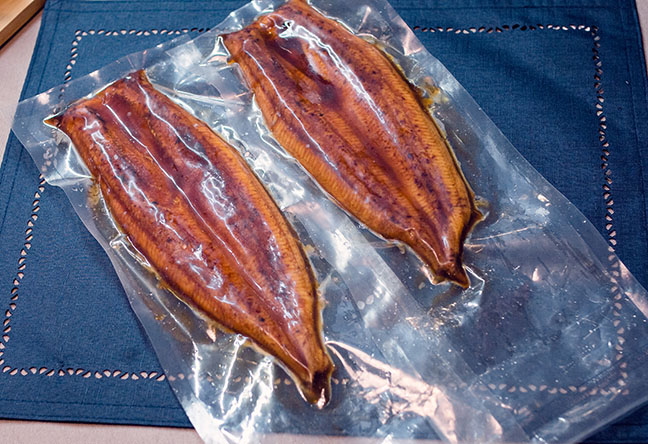
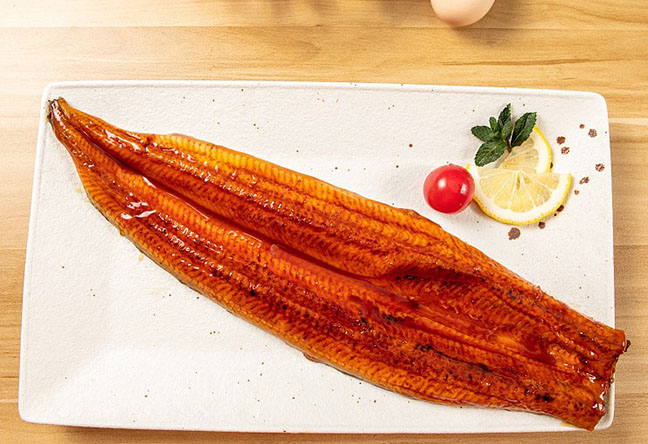
While technique is vital, no amount of skill can compensate for poor-quality raw materials. The structural integrity of a finished eel roll is heavily dependent on the texture, cut, and processing of the frozen unagi kabayaki you use. For foodservice businesses aiming for consistency, sourcing the right product is a non-negotiable part of the equation.
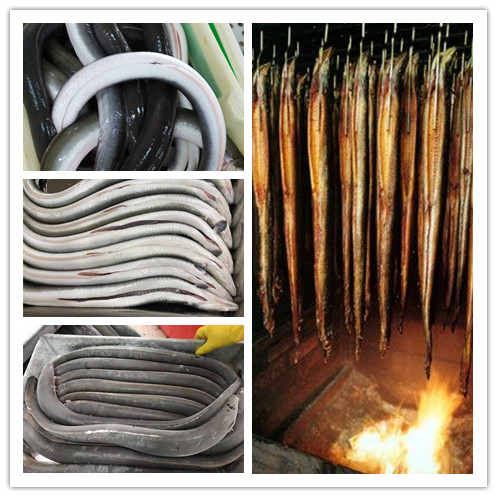
Our experience supplying eel to demanding markets in Japan and the United States shows that specific processing attributes directly contribute to better back-of-house performance. Our patented low-fat roasting technology and precise 4-layer sauce application are designed not just for flavor, but for workability in a professional kitchen.
When evaluating a supplier for your unagi, consider how their product specifications will impact your final dish. Use this checklist to ask the right questions:
For global foodservice chains, consistency is everything. A customer should be able to order an eel roll in Germany or Australia and receive the same high-quality experience. This level of standardization is only possible through rigorous process control at the manufacturing level.
At Eelpro, we've built our operations around this principle. With a 4,000-ton annual production capacity across two modern lines, we can meet large-volume orders without compromising quality. Our 1,000-ton cold storage facility ensures that every shipment maintains its integrity throughout the cold chain, from our workshop to your distribution center. Our team of over 160 employees includes 25 dedicated technical and quality-control specialists who oversee every stage of production, from raw material inspection to final packaging.
This commitment to quality is validated by our certifications, including ISO 22000:2018, HACCP, and HALAL. Our products are manufactured to meet the stringent food inspection standards of Japan, the US, and the European Union for veterinary drug residues and microbiological indicators. This helps our import partners avoid trade risks and ensures a safe, reliable product for their end-users. For those interested in a classic eel sushi roll recipe, using a quality-assured product is the first step.
We understand that different buyers have different needs. A wholesale client supplying multiple restaurant groups has different volume and packaging requirements than a regional catering chain. That's why we offer differentiated MOQ policies that are negotiable based on product specifications and packaging formats.
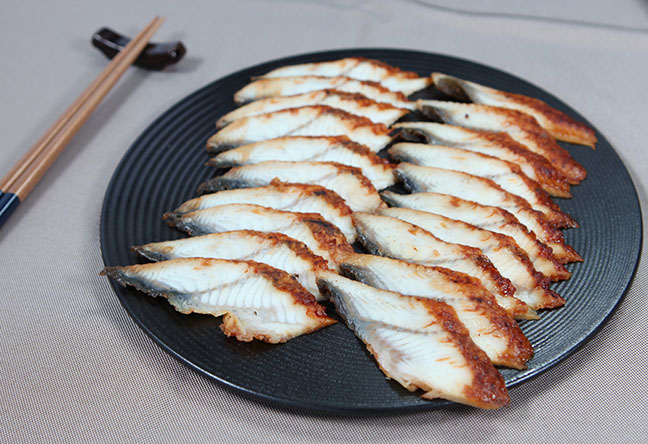
Whether you require custom cuts like shredding, dicing, or specific sushi slices, or need specialized packaging like skin-packs or gift boxes for retail channels, our team can accommodate your requirements. We have a proven track record of exporting to demanding markets, including long-term supply agreements with Japanese restaurant chains and partnerships with food importers in Poland, Indonesia, and across Southeast Asia.
Our standard order delivery time is approximately 30 days from confirmation to shipment, but we work closely with clients to meet their logistical timelines. By providing a reliable supply of standardized, ready-to-heat eel products, we help foodservice operators reduce back-of-house labor, minimize waste, and deliver a consistently excellent product to their customers.
By controlling for the key variables—from the farm to the processing line to the final slice—you can engineer failure out of your process and ensure every eel roll is a success.
For detailed specifications on our frozen unagi kabayaki or to discuss your sourcing needs, please contact our team to request a product sample or a quote.

 WhatsApp
 sales@chinaeels.com
 +8619937922411