





As a quality specialist, I've seen thousands of food products prepared for export. One of the most common challenges in kitchens, from high-end restaurants in Japan to catering chains in the United States, is achieving a consistently perfect sushi roll. An eel roll that is loose, lopsided, or falls apart on the plate isn't just a presentation issue; it signals a lack of control in the process. The secret isn't just in the flick of the wrist. It’s a combination of ingredient quality, precise preparation, and a repeatable technique that ensures every single roll is identical.
Many chefs focus solely on the final rolling motion, but the foundation for a great roll is set long before you touch the bamboo mat. It begins with sourcing the right ingredients and preparing them for structural integrity. This guide breaks down the precise steps to create a structurally sound and visually appealing eel roll, moving from ingredient selection to the final, perfect cut.
Before you can roll, you must build a solid base. The two primary components—sushi rice and the unagi filling—determine more than 80% of your final result. Inconsistent rice texture or poorly prepared eel will doom your roll from the start.
Sushi Rice Preparation:
The rice acts as the structural binder. It must be sticky enough to hold together but not so wet that it becomes mushy. The ideal texture is achieved when each grain is distinct yet clings to its neighbors. After cooking, the rice must be seasoned with sushi vinegar while still warm, using a cutting and folding motion to cool it rapidly and prevent it from becoming gummy. The final rice should be at room temperature before you begin rolling; warm rice will wilt the nori and create steam, leading to a weak structure.
Eel (Unagi) Preparation:
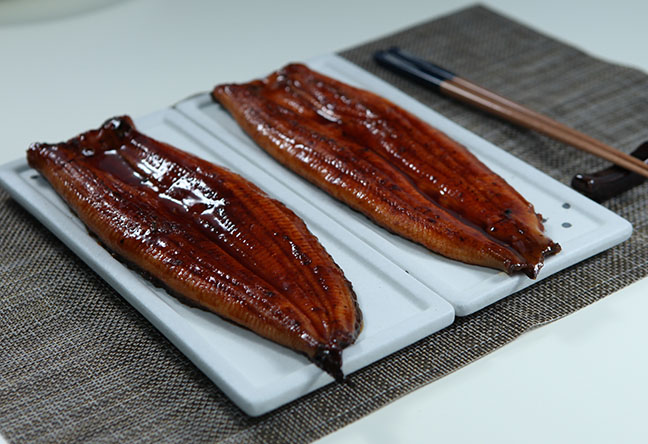
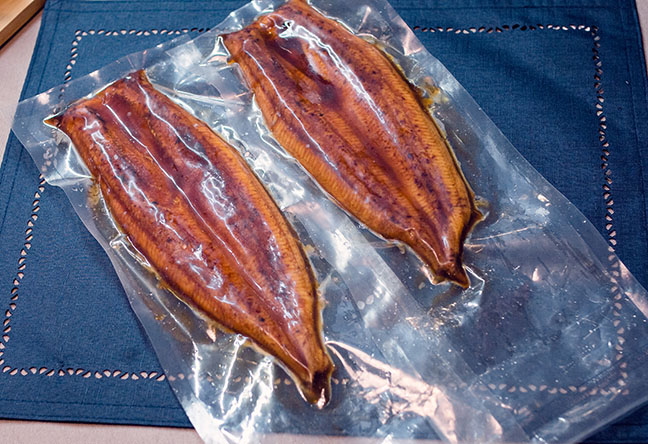
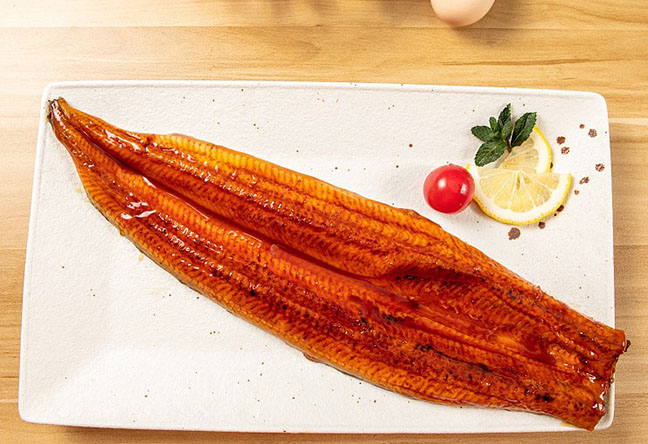
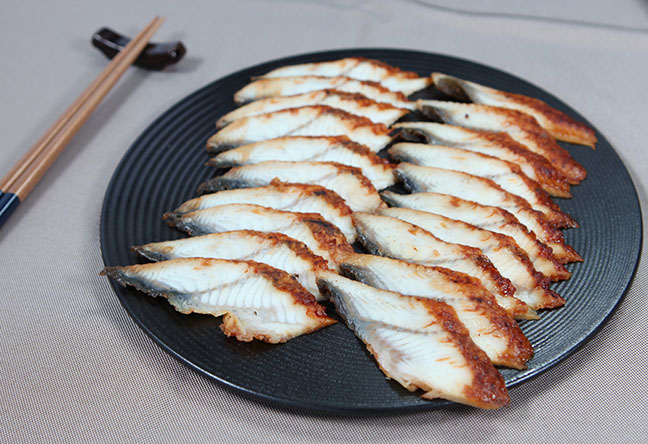
For foodservice operations, consistency is paramount. Using a standardized product like our unagi kabayaki eel eliminates variables in size, thickness, and flavor. Our process involves a patented low-fat roasting and deodorizing technology, followed by a four-layer soy-sauce coating. This creates a firm yet tender texture that holds its shape when cut and rolled. For an eel roll, the unagi should be cut into long, even strips, approximately 1-1.5 cm thick. This uniformity is key to a centered filling. If the pieces are irregularly shaped, the roll will inevitably be lopsided.

Achieving a perfectly centered filling is a matter of physics and technique, not luck. The distribution of rice, placement of the unagi, and application of pressure at specific points are critical. A lopsided roll—where the filling is offset to one side—is almost always caused by an error in one of these three areas. Here is a breakdown of the process to ensure a tight, centered result every time.
This table outlines the four critical stages of forming the roll. Following these checkpoints will help you create a professional-grade eel sushi roll.
| Stage | Key Action | Why It Works | Common Mistake & Result |
|---|---|---|---|
| 1. Spreading the Rice | Spread a thin, even layer of sushi rice over the nori, leaving a 2 cm (approx. 3/4 inch) gap at the top edge. The rice layer should be about two grains deep. Use wet fingertips to prevent sticking. | An even rice bed creates uniform pressure during rolling. The gap at the top allows the nori to seal properly without rice squeezing out. | Uneven Rice Depth: Creates high and low spots, causing the roll to be lumpy and off-center. Too much rice leads to a bulky, difficult-to-eat roll. |
| 2. Placing the Fillings | Place the unagi strips and any other ingredients (like cucumber) in a tight, horizontal line about one-third of the way up from the bottom edge of the nori. The filling should be centered horizontally. | This placement creates a pivot point. When you begin to roll, the filling becomes the core around which the rice and nori form a perfect cylinder. | Filling Placed in the Middle: Results in a "snail" or "pinwheel" shape instead of a centered core. Placing it too close to the bottom causes it to squeeze out. |
| 3. The First Tuck & Squeeze | Using the bamboo mat (makisu), lift the bottom edge of the nori up and over the filling. Tuck it tightly against the filling, forming a rectangular shape with the mat. Apply firm, even pressure along the length of the roll. | This initial tuck is the most important step. It sets the core of the roll and expels air pockets. The pressure compacts the rice around the filling, locking it in the center. | Loose Tuck: Leaves air gaps, resulting in a loose roll that falls apart when sliced. The filling will shift and become off-center. |
| 4. The Final Roll | Continue rolling the mat forward, maintaining constant, even pressure. As you roll, pull the top edge of the mat outwards slightly to keep the roll tight. Seal the nori edge with a few grains of rice or a drop of water. | Consistent pressure ensures the cylindrical shape is maintained throughout. This step compacts the outer layers of rice, creating a firm, stable structure. | Uneven Pressure: Creates a conical or misshapen roll. Not enough pressure results in a loose roll; too much crushes the ingredients. |
Even with the right technique, small errors can compromise the final product. As an ISO 22000 and HACCP certified auditor, I focus on identifying and correcting deviations from the standard. Here are the most frequent mistakes I observe in kitchens and how to fix them:
Creating a perfect eel roll one time is an art. Creating hundreds of identical rolls per day is a science. For our B2B clients—importers and foodservice chains in Germany, Poland, Australia, and across Southeast Asia—consistency isn't just about aesthetics; it's about cost control, customer satisfaction, and brand reputation.
This is where a reliable supply chain becomes a competitive advantage. Our operation is built on full-chain traceability, starting from our ~20 customs-registered eel farming bases. By controlling the entire process, we ensure every piece of unagi meets precise specifications.
Here’s how this helps your back-of-house operations:
Ultimately, a better roll starts with better, more consistent ingredients. By standardizing the primary component, you empower your kitchen staff to focus on technique and presentation, delivering a perfect product every time.
For foodservice businesses looking to source high-quality frozen eel products that ensure consistency and safety, contact our team to discuss your specifications and request a sample.

 WhatsApp
 sales@chinaeels.com
 +8619937922411